Lali Singh: Diprosopus, Two Months, and a Village That Called Her Durga
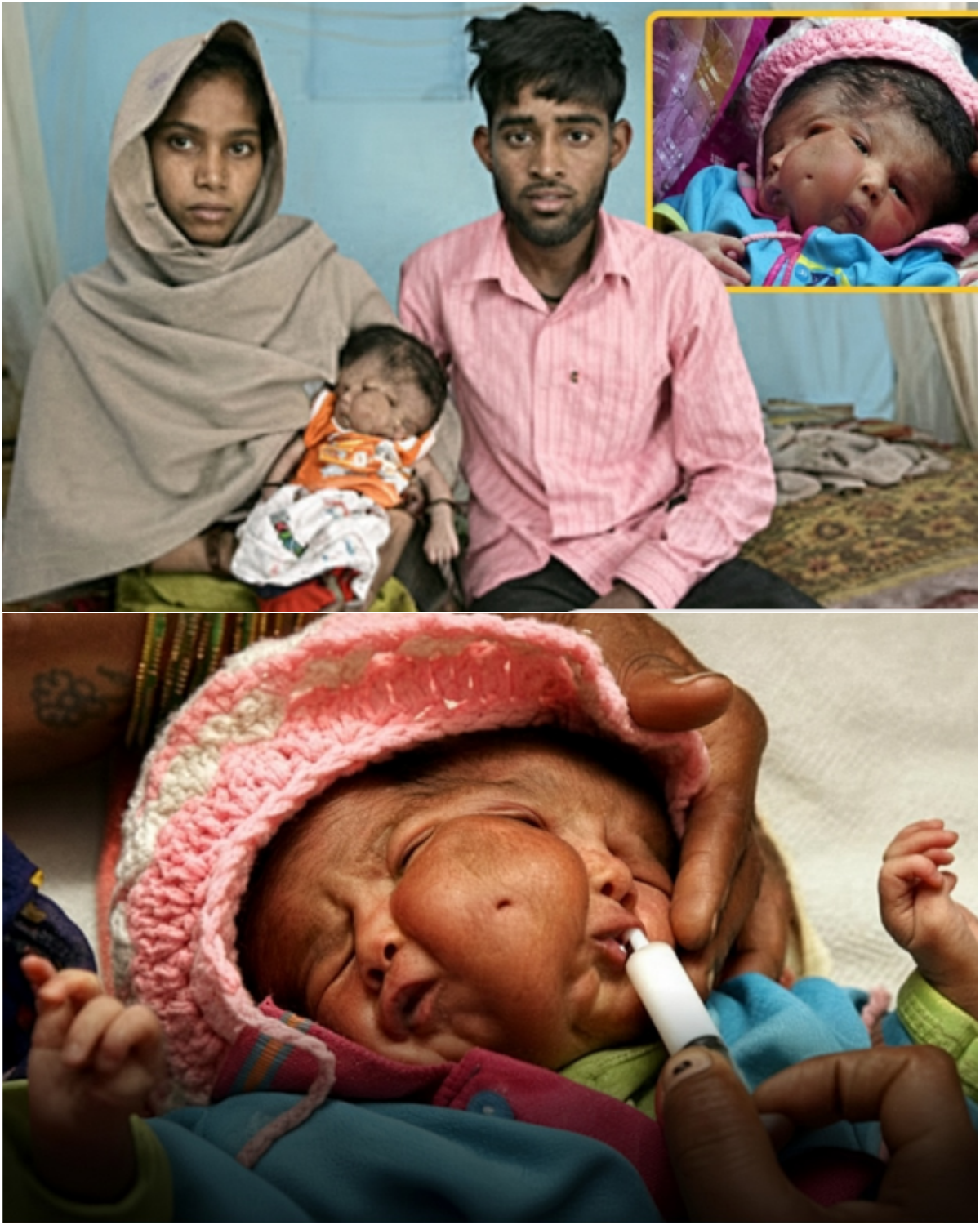
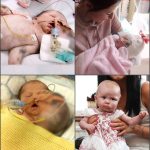
Lali Singh was born on 10 March 2008 in Saini Sunpura (Sunpura Sohanpur), Uttar Pradesh, to Sushma and Vinod Singh, a farm labourer. Delivery was hard because of the size of her head. She had one trunk, two arms, two legs and one pair of ears — and two faces: four eyes, two noses, two mouths. The condition is diprosopus, or craniofacial duplication, the rarest form of conjoined twinning: a single body with a face that split too far in the midline. Hospital staff said she blinked all four eyes together and took milk from both mouths into one gut. A local doctor, Sabir Ali, told reporters she was breathing easily and needed no surgery. The parents declined CT or MRI, so no one mapped the brain. The inner two eyes clouded because the lids could not close properly.
Villagers came by the hundred. They touched her feet, left money, and named her a form of Durga. The family was poor; the crowd was devotion and spectacle at once.
Diprosopus is almost always lethal. Associated defects of the brain, heart and airway are the rule. Lali lived longer than most recorded complete cases. In May she became dehydrated and vomited. Relatives and the village head delayed a return to hospital. When the parents finally took her, fluids and antibiotics helped for a few hours. Six hours later, on 10 May 2008 — two months to the day — she died of a cardiac arrest. A shrine was later built.
The Spanish caption treats coordinated blinking and double suckling as a biological mystery that rewrote morphogenesis. They are signs that one brainstem was driving two faces, not proof of two minds. The medical file is shorter than the pilgrimage: a child who should not have survived birth, who was worshipped instead of scanned, and who died of a heart that the crowd could not see.
Sources: Contemporary Associated Press / Dawn reporting from Saini Sunpura, April 2008; compiled clinical summary of Lali Singh’s life and death (10 March–10 May 2008), including delayed readmission and fatal cardiac arrest.