When the Brain Grew Outside the Skull: Encephalocele Surgery on Mercy Ships in Madagascar
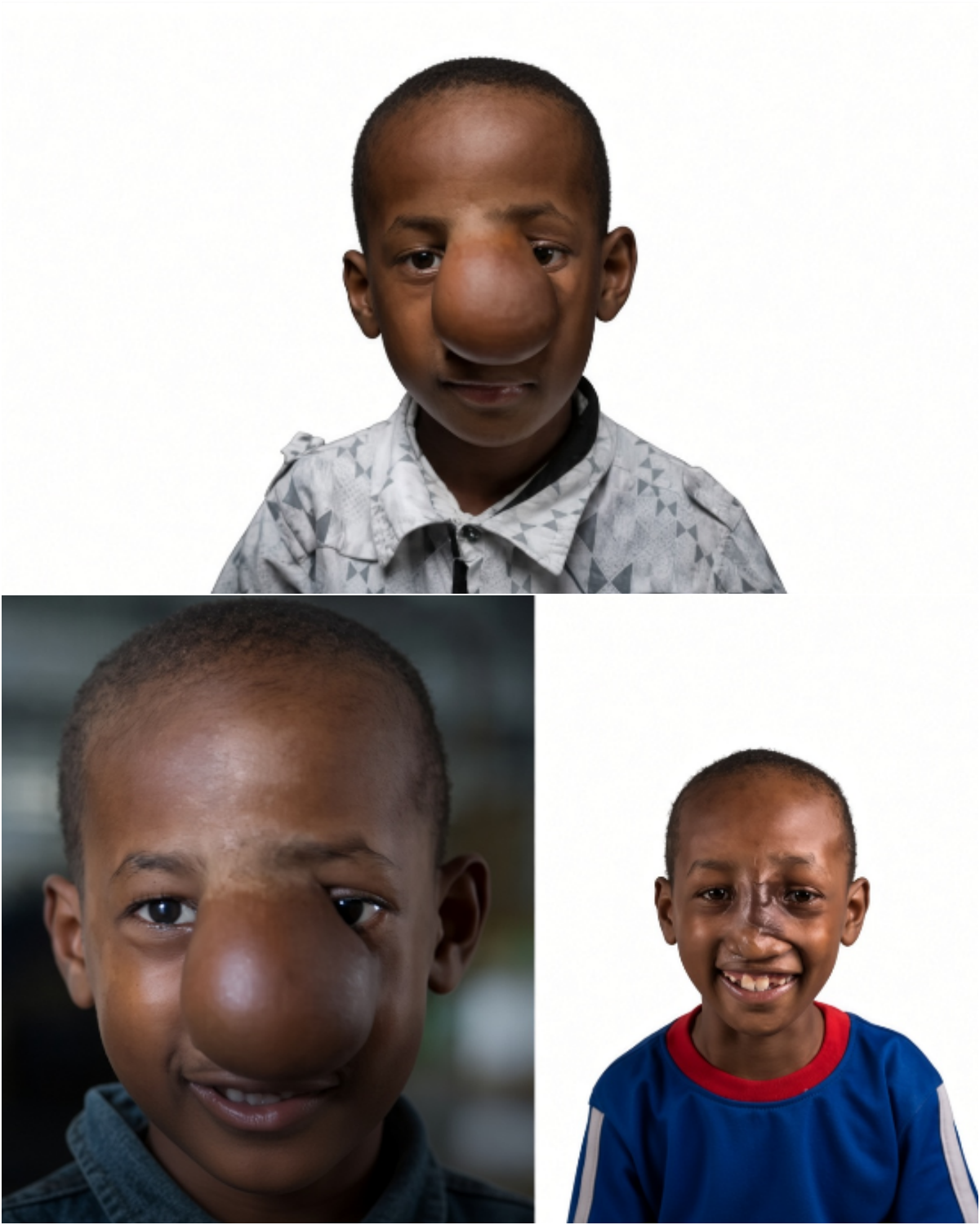
During a Mercy Ships field service in Madagascar, the maxillofacial screening team identified several children living with extreme anterior encephaloceles—among them a boy named Dali. In this congenital defect, brain tissue and meninges herniate through a gap at the front of the skull, usually between the eyes. The mass can grow outward like a second nose, push the orbits apart, threaten vision, and leave the brain poorly protected against infection. Families in rural Madagascar rarely have access to the neurosurgical and craniofacial expertise required to treat it.
Volunteer neurosurgeons and maxillofacial surgeons aboard the hospital ship undertook reconstructive operations to reduce the herniated tissue back into the cranial cavity, repair the dura, close the bony defect, and rebuild the nasal and orbital structures. The goals were to protect the brain, preserve remaining vision, and give the children a face that would allow them to grow up without constant medical danger or social isolation.
Fronto-ethmoidal encephaloceles occur at higher rates in parts of Southeast Asia and Madagascar than in Western countries. Successful repair is technically demanding: the team must achieve a watertight seal at the skull base to prevent meningitis, then restore three-dimensional facial anatomy so the eyes can sit in a more normal position. Mercy Ships’ Madagascar missions (including recent multi-year deployments of the Africa Mercy in Toamasina/Tamatave) have focused on conditions that local hospitals cannot treat—clefts, large facial tumors, and complex congenital deformities—while also training Malagasy clinicians.
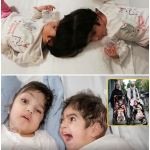
The photographs that circulate with Dali’s story show the classic before-and-after of these operations: a massive midline mass that nearly occludes the eyes, then a reconstructed mid-face and a child who can smile. Similar transformations have been documented across Mercy Ships maxillofacial programs. For children who would otherwise remain hidden at home, a single well-planned surgery can convert a life-threatening malformation into a chance at school, play, and ordinary childhood.
Long-term follow-up remains important; residual orbital or nasal asymmetry and the risk of cerebrospinal-fluid leak or recurrence require later review. Yet the immediate change—brain protected, vision safeguarded, face restored—is why families travel days to reach a ship they have never seen before.
Sources
- Family and social-media account of Dali and the group of children screened during the Madagascar field service
- Mercy Ships reports on Africa Mercy deployments in Madagascar (2024–2026 field services in Toamasina)
- Medical literature on fronto-ethmoidal / nasofrontal encephalocele prevalence and surgical principles in Southeast Africa and Madagascar
- Mercy Ships maxillofacial program descriptions of reconstructive work for congenital craniofacial defects