Taking the World to Izaiah: How One Family Turned Medical Fragility Into a Road Map
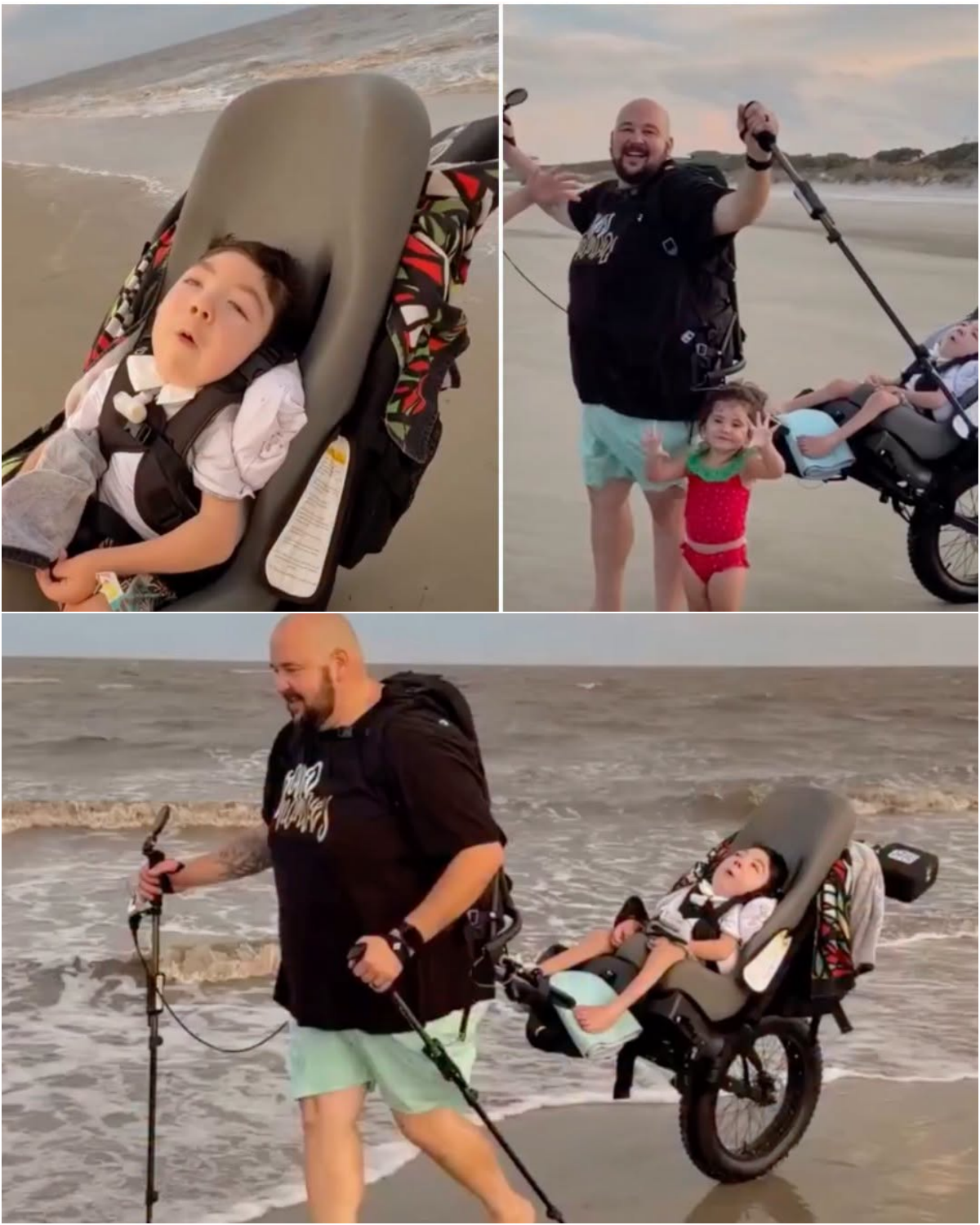
For most families a road trip means extra snacks and a packed trunk. For Will and Yeni Rizzo it means a rolling clinic: suction, cough-assist, emergency medications, a feeding pump, a tracheostomy kit, and a specialized chair that can cross sand. Their son Izaiah lives with WOREE syndrome—WWOX-related epileptic encephalopathy—an ultra-rare recessive genetic disorder that affects fewer than a few hundred children worldwide.
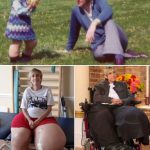
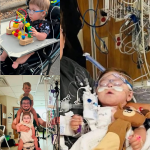
The WWOX gene helps the brain develop. When both copies are damaged, the result is often early, drug-resistant epilepsy, profound developmental delay, low muscle tone, respiratory vulnerability, and a shortened life expectancy that many papers and clinicians have placed around four years. Izaiah is nonverbal and non-ambulatory. He has a tracheostomy and a gastrostomy tube. He requires constant skilled care. Doctors did not promise him much time.
His parents refused to treat that prognosis as a boundary on experience. Under the name Found Nomads they outfitted an RV, later fundraising for adaptive seating and a modified Ford Transit large enough for Izaiah, his equipment, older brother Lorenzo, little sister Yeni Isabella, and a growing family. They set out across the United States—national parks, coastlines, places never designed for a child who cannot sit independently or breathe without support.
The work is unglamorous. Every outing is a logistics problem. Beaches require fat-tire chairs and poles. Hotels require power and space for machines. Illness can end a trip in hours. The family does not hide that difficulty. They document it: the weight of the bags, the creative solutions, the moments when strangers help lift a chair or clear a path.
Followers on TikTok, Instagram, and YouTube turned that documentation into support. A first fundraiser paid for a P-Pod and travel supplies. A later campaign aimed at a purpose-built van so the family would no longer have to choose which piece of equipment stayed home. Izaiah has already outlived the number that was written on his chart. The family treats that extra time as something to spend, not to lock away.
WOREE syndrome has no cure. Gene-therapy research exists in early experimental form elsewhere in the world; it is not yet a standard option. What the Rizzos can control is whether Izaiah’s life is only hospitals and four walls. They chose parks, ocean air, and the sound of a chair rolling through shallow surf.
A medically fragile child experiences the world on different terms. That does not have to mean he experiences none of it.
Sources
- Found Nomads / @foundnomads videos and posts (YouTube, TikTok), 2025–2026
- GoFundMe campaigns “Join Us on Izaiah’s Journey” and “Driven by Faith: Izaiah’s Van Fund,” organized by Will and Yenizel Rizzo
- The WWOX Foundation, “What is WWOX?”
- Piard et al., Genetics in Medicine, review of WOREE syndrome phenotype
- Published clinical literature on WWOX-related epileptic encephalopathy (life expectancy, seizure burden, and care needs)