Ten Years by the Caribbean and He Has Never Seen the Sea
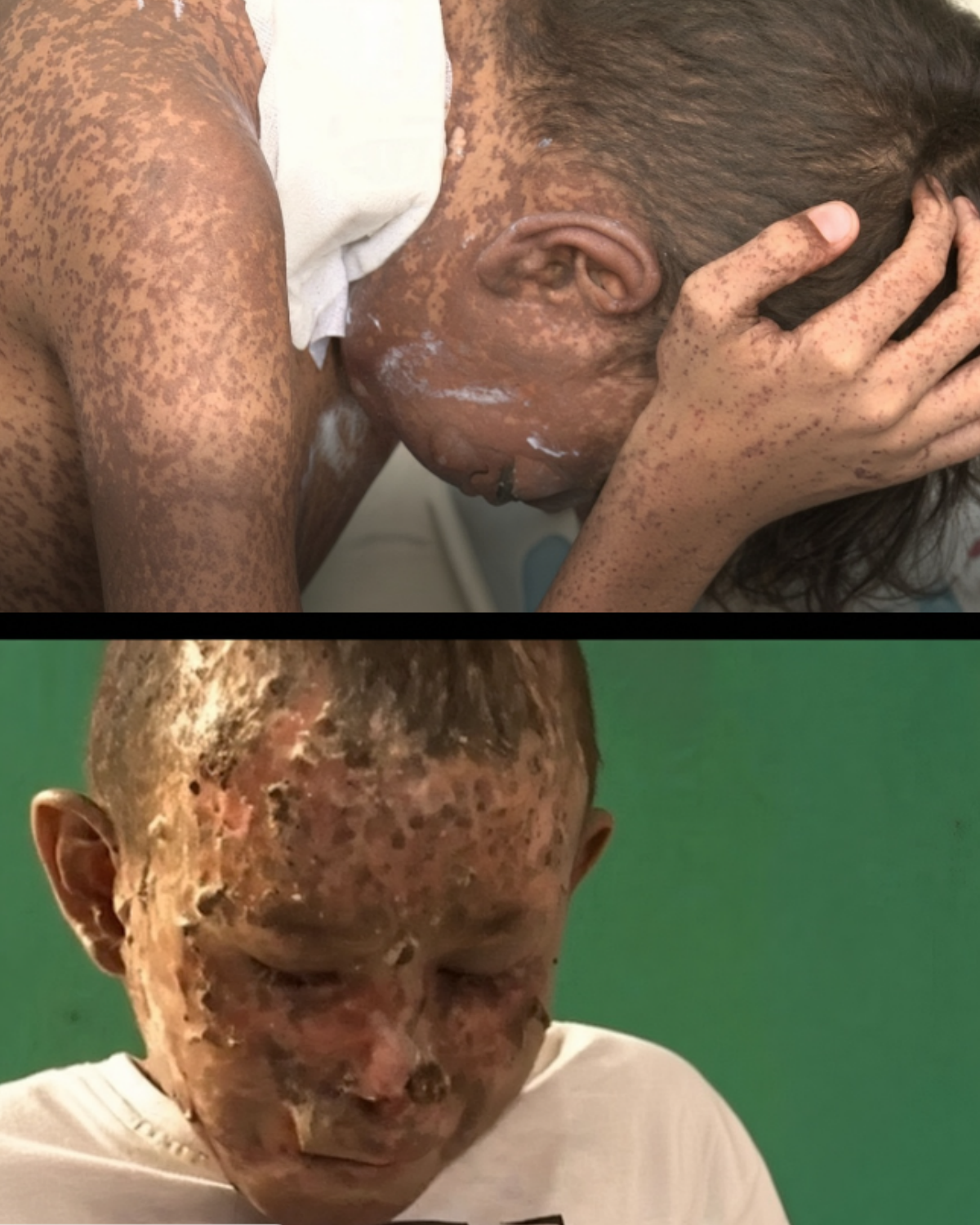
Mariano González grew up in Anzoátegui, Venezuela, a state whose northern edge is the Caribbean. He was ten in 2020 and had never stood on the sand in daylight. From about six months of age the sun did not tan him. It burned him in seconds and threatened his eyes.
Doctors named the condition xeroderma pigmentosum (XP): an autosomal recessive failure to repair ultraviolet damage in DNA. Freckling, crusting, raw patches and a mottled, aged look appear on every surface that sees light. The conjunctiva and cornea burn too. Photophobia is not discomfort; it is injury. More than half of people with classic XP develop skin cancer in childhood or early adulthood if they cannot stay out of the sun. There is no cure. There is only avoidance: UV-filtered windows, long sleeves, hats, wraparound dark glasses, night-time outings.
His mother, Sonia González, said the family was told the disease would not go away. Treatment that can slow tumors and protect eyes exists. It is expensive. In the Venezuelan crisis they could not pay for it at home. Univision reported they left Anzoátegui for Colombia seeking a clearer plan and money for care. Mariano’s wish, repeated in those interviews, was simple: to know the sea.
XP turns geography into a trap. A coastal childhood should mean salt air and glare. For him glare is the enemy. The “strange condition” in the caption is not mysterious. It is a broken repair enzyme and a latitude that never goes dark enough. Until medicine or money changes that, the boy who lives in front of the Caribbean will keep meeting the water only in the dark — or not at all.
Sources
- Telecinco / Informativos, “Con 10 años, el pequeño Mariano vive huyendo del sol,” 13 June 2020 (citing Univision).
- Clinical summaries of xeroderma pigmentosum (UV hypersensitivity, ocular involvement, skin-cancer risk).