Almira: Three Surgeries on a Hospital Ship, and a Cleft That Was Never Mysterious—Only Untreated
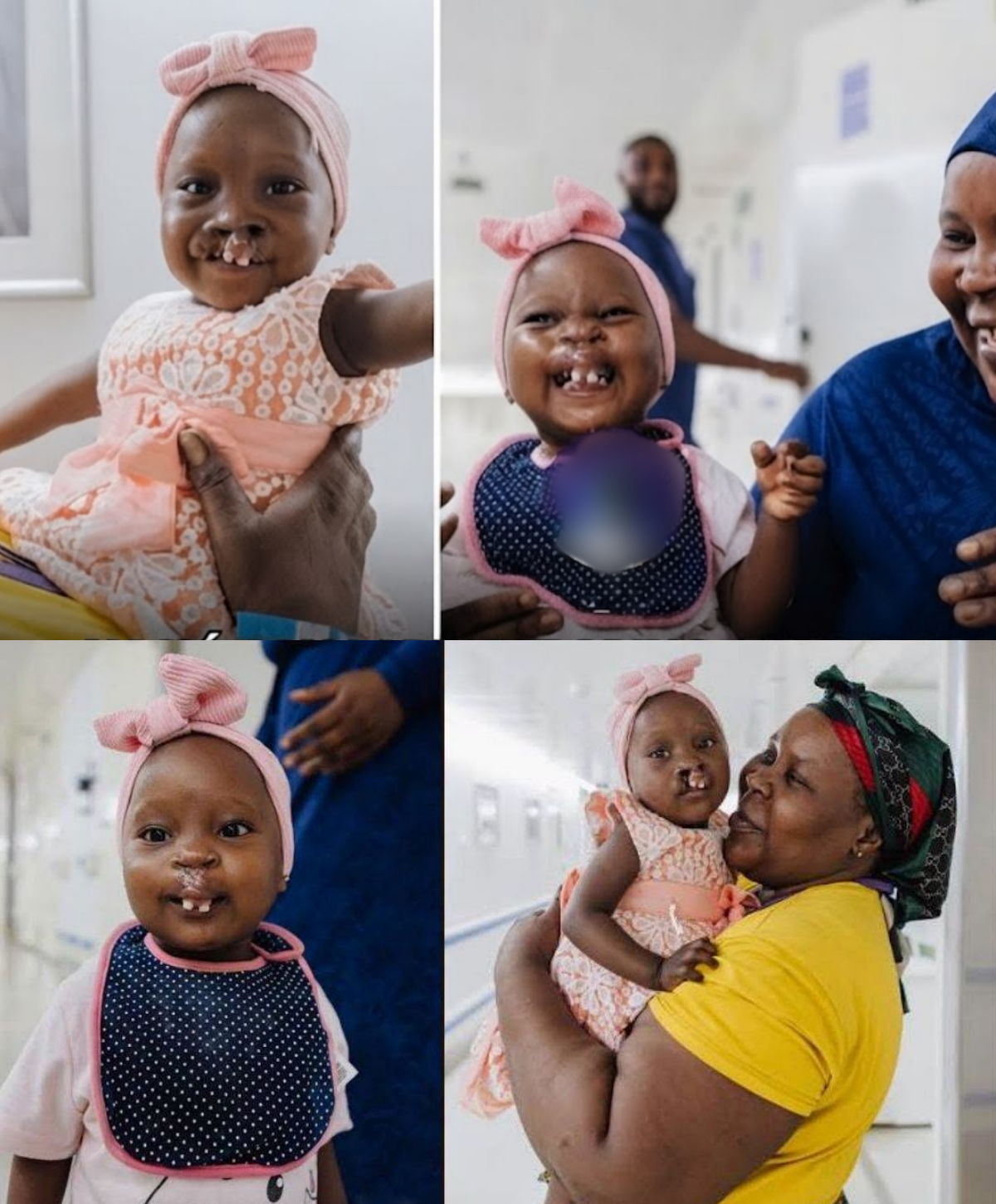
Mercy Ships published Almira’s story in her mother’s words: “I had never seen a child with cleft lip before. It was the doctors who explained it to me.” Local clinicians pointed the family to the charity. What followed was not one operation but three, across separate field services, until both the lip and the palate were closed. The photographs—the pink bow, the incomplete lip, the grandmother or mother in a hijab laughing in a corridor—match the organisation’s own post. The ship in those years was the Global Mercy, after consecutive missions in Sierra Leone.
A cleft lip and palate is a failure of facial processes to fuse in early pregnancy. It is common worldwide and ordinary in a well-staffed children’s hospital. In places without safe elective surgery it is not ordinary. Infants leak milk through the nose, fail to gain weight, and grow up with speech that communities read as curse or contagion. Repair of the lip can take an hour. The palate is a second, harder operation. A third stage—revisions, fistula closure, or speech-related work—is routine when a child must wait years between visits of a volunteer ship. Calling those three trips “complex interventions across three missions” is accurate as logistics. It is not a new disease.
Mercy Ships exists because sub-Saharan surgical capacity does not. Volunteer maxillofacial and plastic teams close clefts, remove tumours, straighten legs and repair fistulas aboard a floating hospital that also feeds and houses the crew. The mother’s shock is the epidemiological fact: she had never seen the condition because children who have it are hidden, or they die of malnutrition before school age. After closure, feeding is easier and the face no longer announces the child at every doorway. Stigma does not vanish with sutures; it recedes when neighbours see a result they can name as medicine rather than miracle.
Almira’s “full childhood” is the charity’s closing line. The durable point is smaller. Cleft repair is one of the highest-value operations in global surgery. When it takes three dockings, the delay is the health system, not the anatomy. The smile in the last frame is real. So is the queue of children who will wait for the next port.
Sources
- Mercy Ships (@MercyShips) patient post on Almira, July 2026
- Mercy Ships organisation pages on cleft and maxillofacial programmes
- Global Mercy field-service context (Sierra Leone missions)