BREAKING: Madeleine McCann Mystery Takes Another Turn — Could Christian Brückner’s New Account Finally Unlock the Night She Vanished?
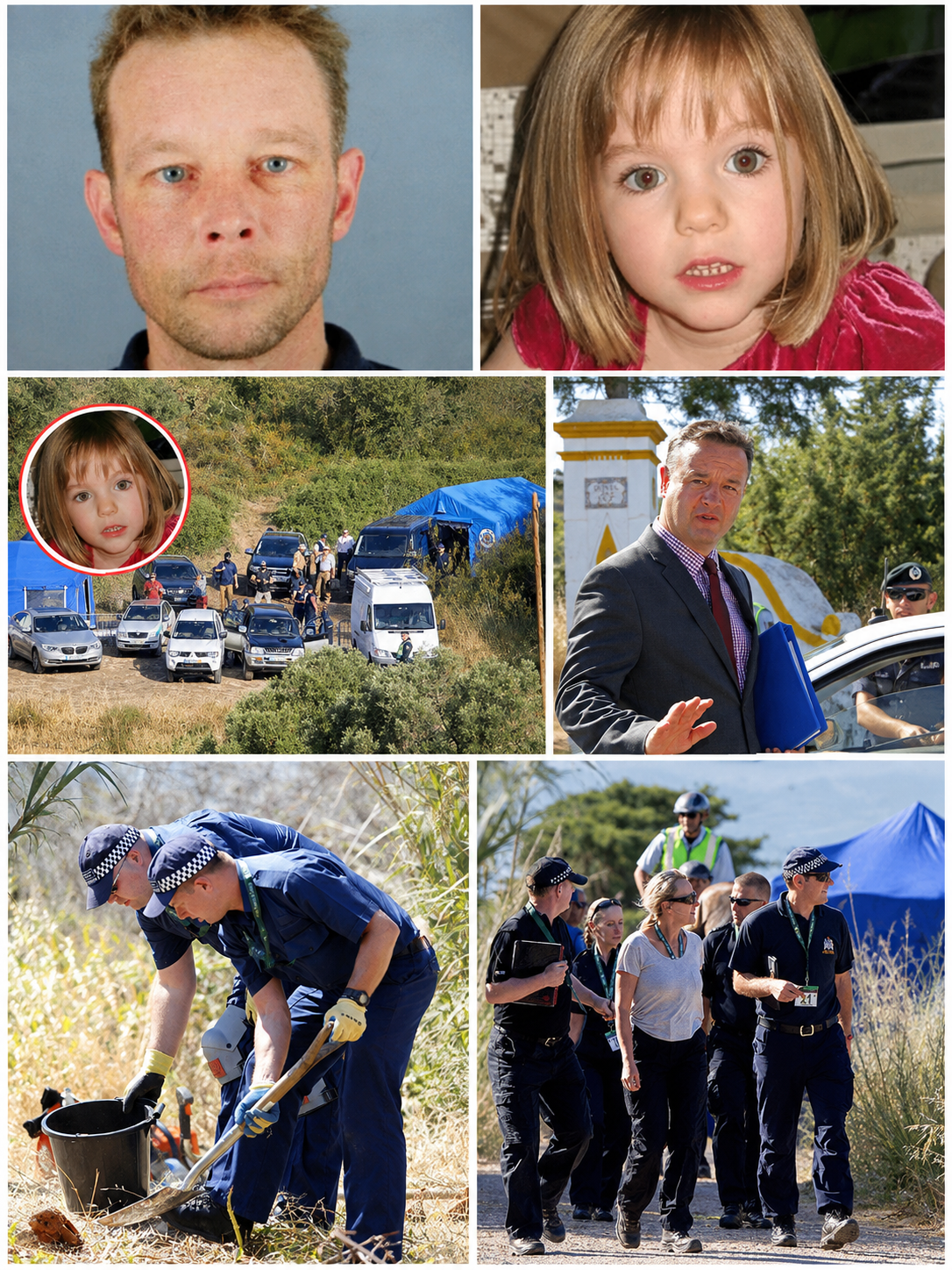
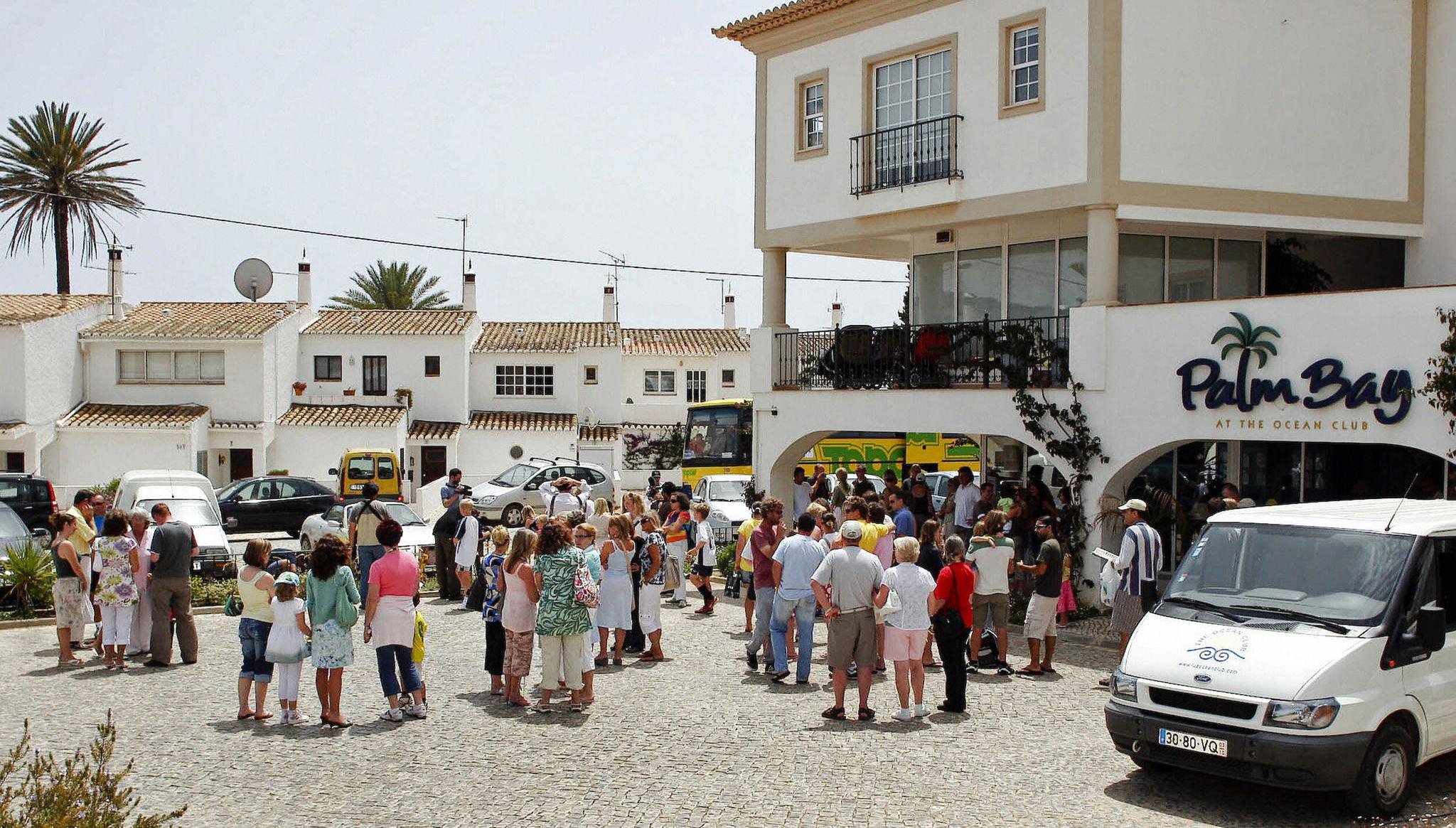
Nearly two decades after three-year-old Madeleine McCann disappeared from a holiday apartment in Praia da Luz, Portugal, the case remains without a definitive answer. But a new account from the man German authorities have identified as the prime suspect has once again pushed the investigation into the international spotlight.
Christian Brückner reportedly says he was extremely close to the resort on the night Madeleine disappeared — roughly 150 yards, or around 137 metres, from where she was staying. Yet Brückner denies having anything to do with the child’s disappearance. Instead, he reportedly claims that he was in the area selling drugs and that Portuguese police stopped his vehicle three times that night.
The revelation creates an extraordinary question: if Brückner’s account is accurate, could records of those alleged police encounters provide investigators with a previously overlooked timeline of his movements?
Or could closer examination of his story raise even more questions?
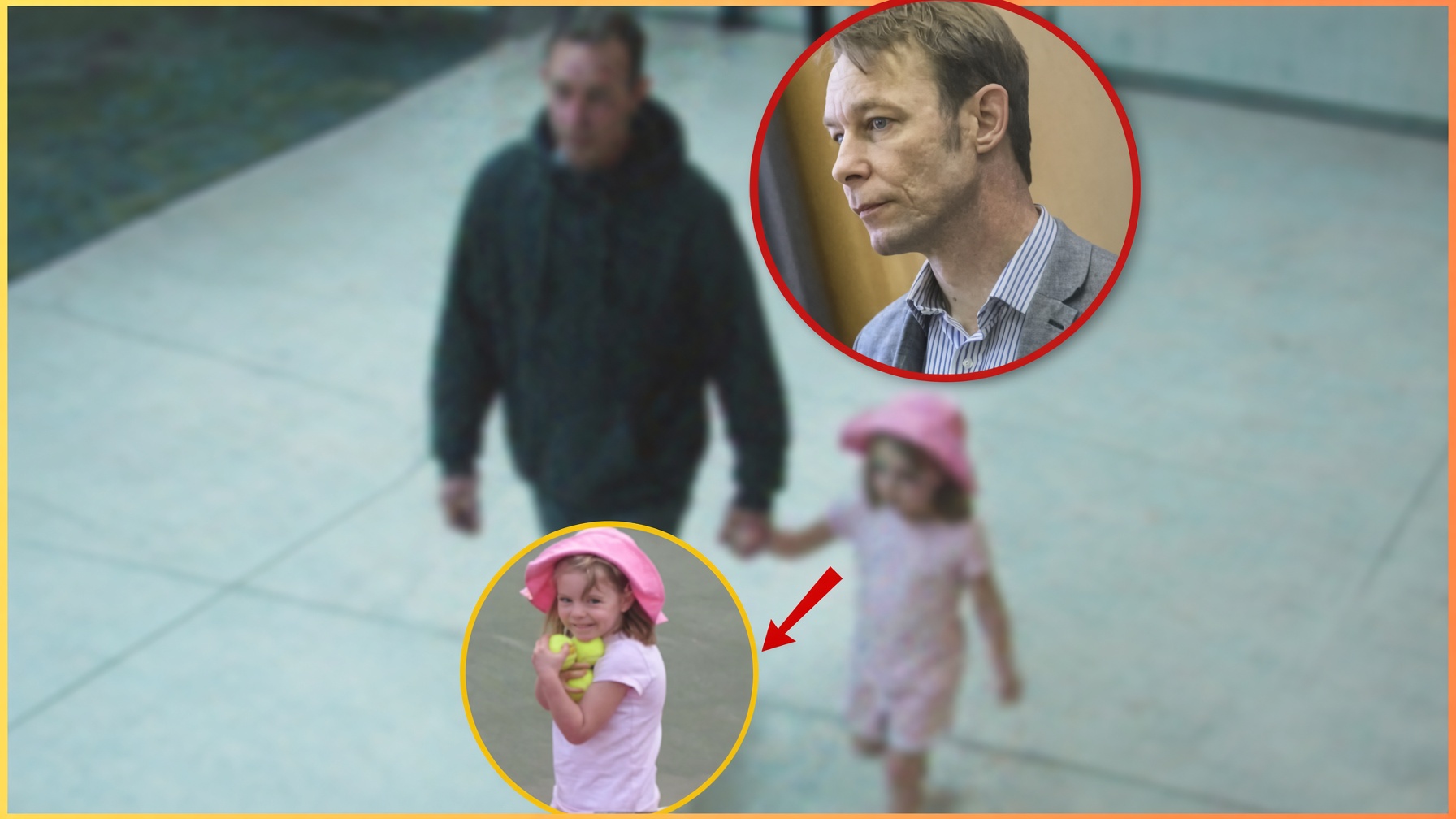
For investigators, the importance of the latest claim may not necessarily be what Brückner says happened. It may be whether his version can be independently verified.
Madeleine disappeared on the evening of May 3, 2007, while on holiday with her parents, Kate and Gerry McCann, and her younger twin siblings. Her parents had been dining with friends at a nearby restaurant when Kate McCann discovered that Madeleine was missing. A huge search followed, but Madeleine was never found.
British police later established Operation Grange, which remains active today. The Metropolitan Police says the investigation began in 2011 following a request from the Home Secretary and that the force continues to work with Portuguese and German law-enforcement authorities.
That continuing investigation is one of the clearest indications that the case has not simply been abandoned.
The latest developments surrounding Brückner therefore matter because investigators have spent years attempting to establish what happened during the crucial hours surrounding Madeleine’s disappearance.
Brückner was identified publicly by German authorities as a suspect in 2020. Portuguese authorities later formally designated him a suspect as well. However, he has never been charged in connection with Madeleine’s disappearance and has consistently denied involvement. Reuters reported that British police reaffirmed in 2025 that he remained a suspect while authorities continued pursuing viable investigative leads.
That distinction is critical.
Being a suspect does not mean being guilty.
Being near the resort does not establish involvement.
And a statement made by a suspect about his own movements is not independent evidence.
But if Brückner really was stopped by police three times that night, investigators could potentially have an opportunity to test his story.
Were the encounters officially recorded?
What time did they happen?
Where was the vehicle stopped?
Was the driver identified?
Was the vehicle searched?
Did the officers involved remember the encounters?
And most importantly, do those records place Brückner where he says he was?
If the answers are yes, his account could potentially be corroborated in part.
If the records contradict his version, investigators would have another issue to examine.
And if no records can be found, the claim may remain impossible to independently verify.
The latest development comes against a broader background of renewed investigative activity.
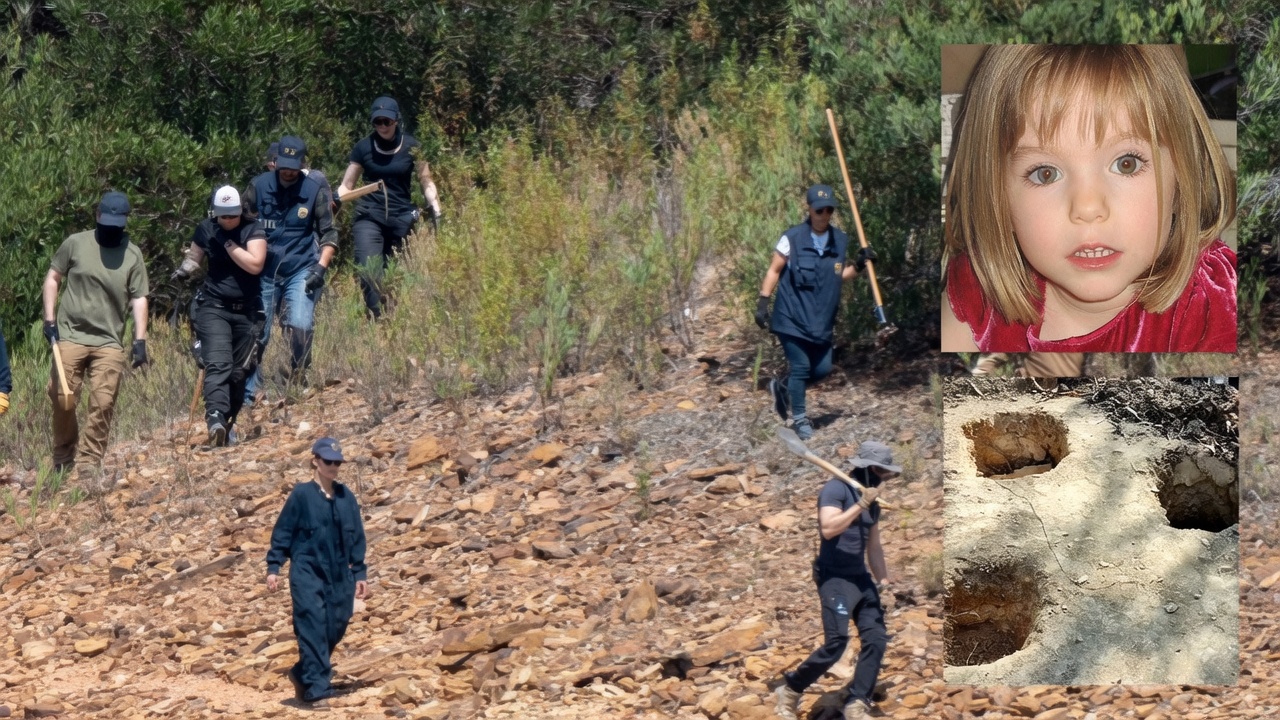
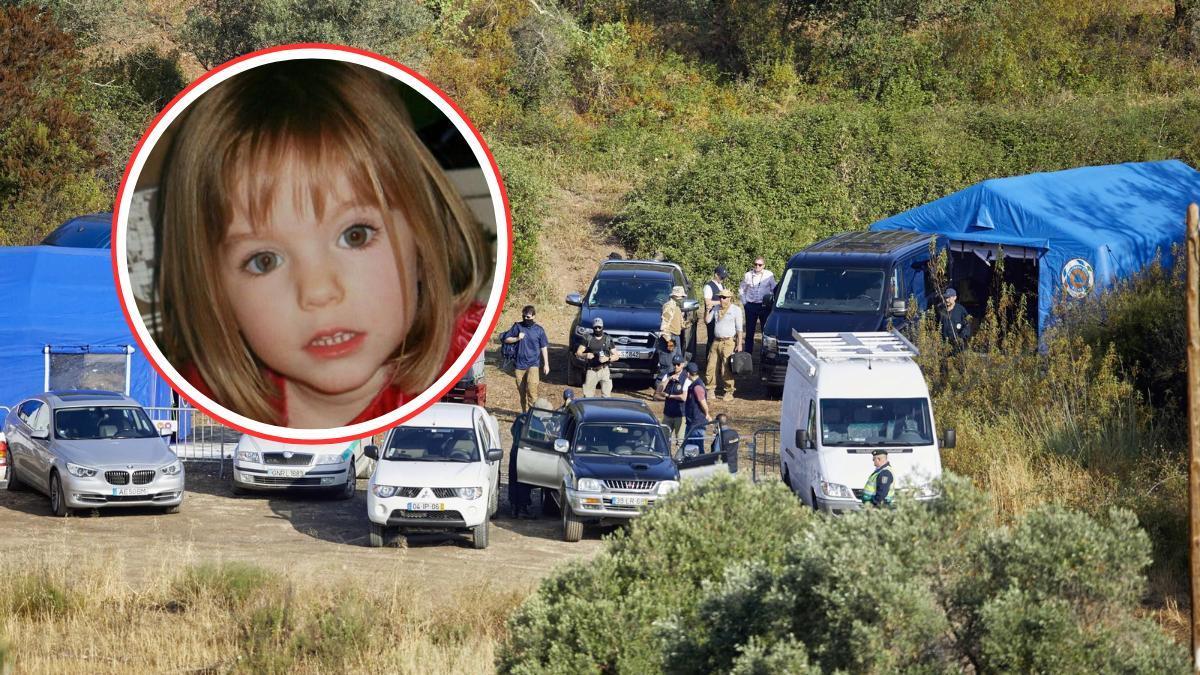
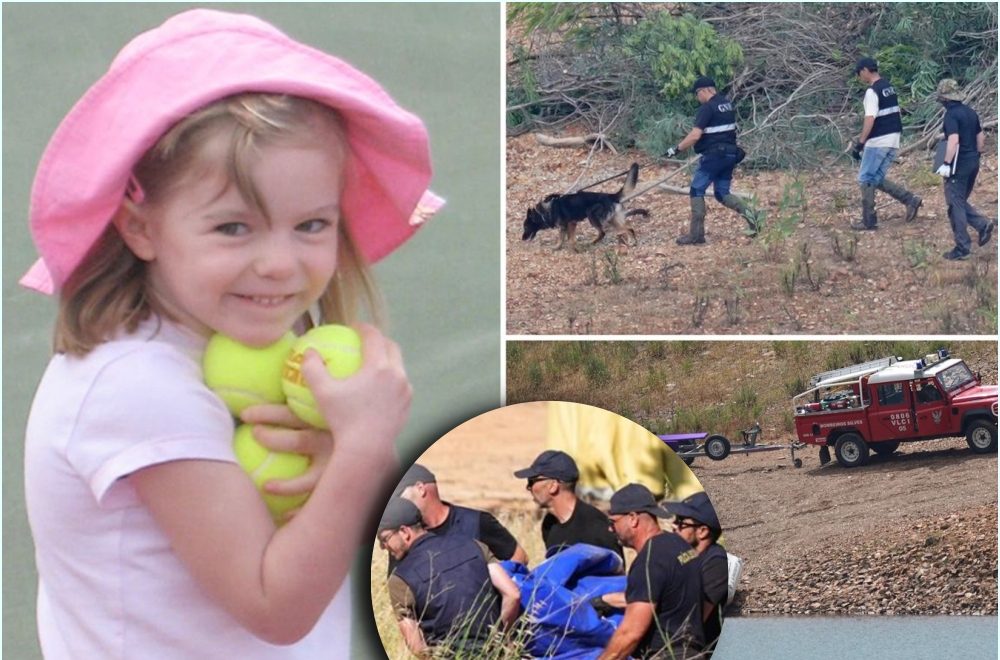
In June 2025, German and Portuguese authorities carried out another major search in the Algarve. Reuters reported that officers searched several hectares of land near areas connected to Brückner, using equipment including ground-penetrating radar. The search produced no publicly announced conclusive discovery linking Brückner to Madeleine.
That search was significant because it demonstrated that authorities were still prepared to revisit physical locations almost two decades after the disappearance.
The investigation has also continued in Britain.
In June 2026, LBC reported that officers working on Operation Grange had received a dossier concerning Brückner and that detectives were reportedly gathering evidence for possible consideration by the Crown Prosecution Service. The report said the Met investigation remained officially a missing-person inquiry rather than a murder investigation.
That development has fueled speculation that investigators could eventually seek charges.
But there is an important legal caveat.
Receiving evidence is not the same as having enough evidence to prosecute.
Building a file is not the same as securing an indictment.
And media reports about a potential future prosecution should not be confused with an actual decision by prosecutors.
As of September 27, 2026, there has been no publicly confirmed charge against Brückner for Madeleine’s disappearance.
There is another potentially important element to the story: Brückner is now outside prison.
He was released from German custody in September 2025 after completing a sentence for an unrelated rape committed in Portugal. Reuters reported at the time that although he remained a suspect in the Madeleine investigation, he had not been formally charged in that case.
His release changed the circumstances surrounding the investigation.
Authorities no longer had him in prison on the unrelated conviction.
At the same time, investigators still needed to pursue whatever evidence they believed could establish what happened to Madeleine.
This creates another question.
Could Brückner’s freedom make investigators more dependent on documentary, digital and forensic evidence?
Or could his movements outside prison provide investigators with new opportunities to monitor or investigate him?
His reported refusal to cooperate with a recent British police interview has also been part of the continuing story. Reuters previously reported that he had refused such an interview while continuing to deny involvement.
Meanwhile, the legal history surrounding Brückner remains separate from the Madeleine investigation.
In 2024, a German court acquitted him of several unrelated sexual-offence charges because of insufficient evidence. Reuters stressed that those proceedings were unrelated to Madeleine’s disappearance and that no formal charge had been filed against him in the McCann case.
That means investigators cannot simply rely on his previous convictions or allegations involving unrelated crimes to establish responsibility for Madeleine’s disappearance.
The case must ultimately stand on evidence connected to Madeleine herself.
And that is where the mystery remains.
Could the latest account of Brückner’s whereabouts help establish a clearer timeline?
Could police records from 2007 still exist?
Could telecommunications data help confirm where he was?
Could witnesses remember seeing his vehicle?
Could physical evidence recovered during previous searches eventually prove significant?
Or could the new claims ultimately lead nowhere?
There is another possibility that investigators must consider: the latest statement may simply be an attempt by Brückner to explain away his presence near the resort.
That is a possibility, not an established fact.
Only independent evidence can determine whether his account is accurate.
The significance of the case also extends beyond Brückner.
Operation Grange remains officially active. The Metropolitan Police says it continues to support and work with law enforcement agencies in Portugal and Germany.
That international cooperation is essential because the disappearance occurred in Portugal, the suspect is German, and the family and investigation have strong links to Britain.
Almost twenty years have now passed.
Memories fade.
Evidence becomes harder to locate.
Witnesses move away or become unavailable.
Records can disappear.
Yet the central question has remained unchanged.
What happened to Madeleine McCann?
Her parents have spent years continuing to appeal for information and maintaining hope that answers can eventually be found.
For investigators, however, the challenge is more precise.
They need to establish a reliable chain of evidence explaining what happened after Madeleine was last seen.
That means knowing who was present, where they were, what they did and how those movements can be independently verified.
Brückner’s new account may therefore be important not because it provides an answer, but because it gives investigators another version of the night to test.
If his reported location can be confirmed, investigators may be able to eliminate certain possibilities.
If it cannot, new questions may emerge.
And if evidence contradicts his account, the significance could be greater still.
But until such evidence becomes public and is tested through the proper legal process, it would be premature to describe the latest development as the final breakthrough.
The Madeleine McCann investigation remains unresolved.
Brückner remains a suspect, not a convicted perpetrator of Madeleine’s disappearance.
Madeleine has never been found.
And there is still no publicly established account that conclusively explains what happened to her after she vanished from Praia da Luz on May 3, 2007.
Nearly twenty years later, the mystery therefore continues.
The most intriguing question now may not simply be where Brückner says he was.
It may be whether the surviving evidence from that night can finally tell investigators whether his story is true.
Because after all these years, one thing remains clear:
The answer will not come from speculation.
It will have to come from evidence.