Terrifying Encounter with the World’s Most Dangerous Object: Just 5 Minutes of Exposure Can Be Fatal, and It May Remain Inaccessible for Hundreds of Years
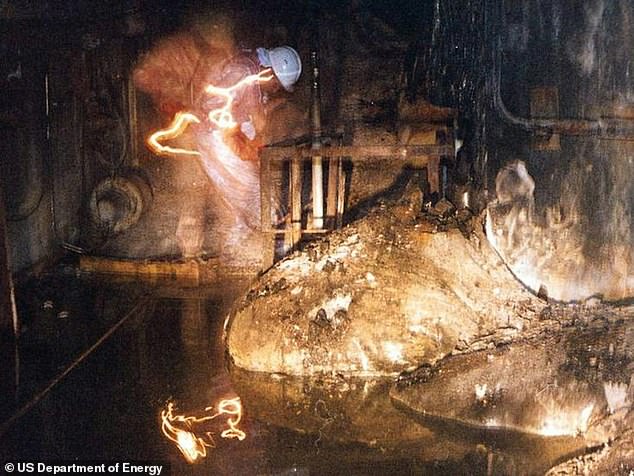
This object resembles a giant foot and is located in the Chernobyl Exclusion Zone in Ukraine. It is so hazardous that even brief exposure can kill a person, and scientists believe it could remain too dangerous to approach without heavy protective equipment for centuries.
Although it may sound like something from a science fiction or horror story, the “Elephant’s Foot” is very real. It is a deadly remnant of one of the worst nuclear disasters in history. The British newspaper Daily Mail has called it “the most dangerous object in the world.”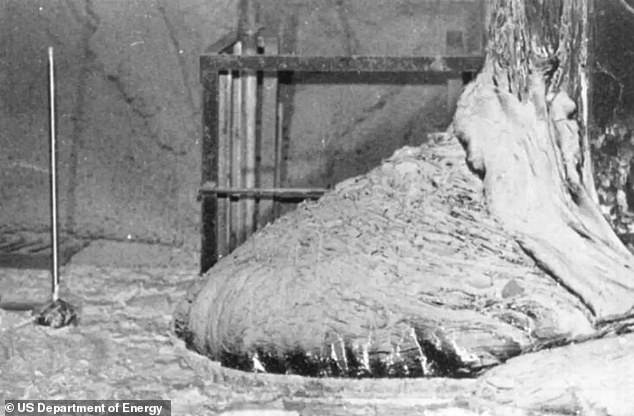
How the “Elephant’s Foot” Was Created
On April 26, 1986, Reactor No. 4 at the Chernobyl Nuclear Power Plant in Ukraine suffered a catastrophic failure. Engineers tried to shut it down in an emergency, but the attempt failed. The temperature inside the reactor core rose uncontrollably, causing the cooling water to instantly turn into steam when pumped in.
The massive pressure caused the reactor to explode, triggering the infamous Chernobyl nuclear disaster. In the autumn of that year, while cleanup teams were working to contain the radiation, they first discovered this extremely dangerous object.
According to scientists, the extreme heat from Reactor No. 4 melted the surrounding steel and concrete shielding, creating highly radioactive “lava.” This molten material flowed downward, absorbing other substances along the way and forming a complex, extremely radioactive mixture. Once it cooled and solidified, it became a new material known as corium. This particular formation was nicknamed the “Elephant’s Foot” because of its shape.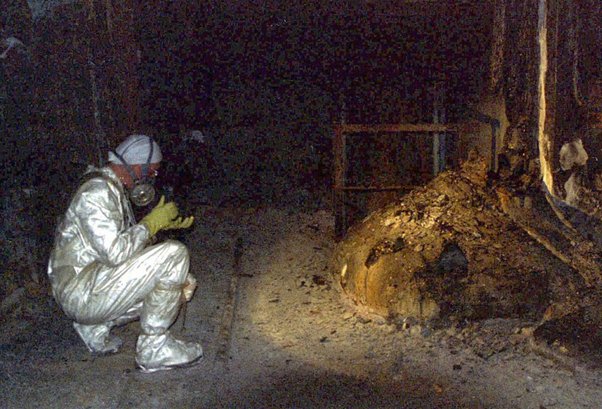
Why It Is So Deadly
The Elephant’s Foot contains an incredibly high concentration of radioactive materials. Radiation levels near it are so intense that a person standing nearby for just a few minutes would receive a lethal dose.
In the early days after the disaster, one scientist reportedly approached the object for only about five minutes to take measurements and later died from acute radiation sickness. Even today, the object remains extraordinarily dangerous. Experts estimate that without specialized shielding and protective gear, humans may not be able to safely get close to it for hundreds of years.
The Elephant’s Foot serves as a haunting reminder of the Chernobyl disaster’s long-lasting consequences and the immense power — and risks — of nuclear energy. Even decades later, the site continues to fascinate and terrify scientists and the public alike.