RETHINKING WHO BUILT THE PYRAMIDS: NEW EVIDENCE REVEALS SKILLED WORKERS, NOT SLAVES
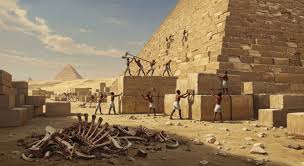
For centuries, the magnificent pyramids of ancient Egypt have been associated with tales of slave labor and brutal forced construction. However, modern archaeological discoveries are rewriting that narrative, revealing a far more sophisticated and human story behind these architectural wonders.
Excavations near the Giza Plateau have uncovered entire planned workers’ villages — complete with bakeries, breweries, housing complexes, and even medical facilities. These were not makeshift slave camps, but well-organized, permanent settlements that supported thousands of workers over many years.
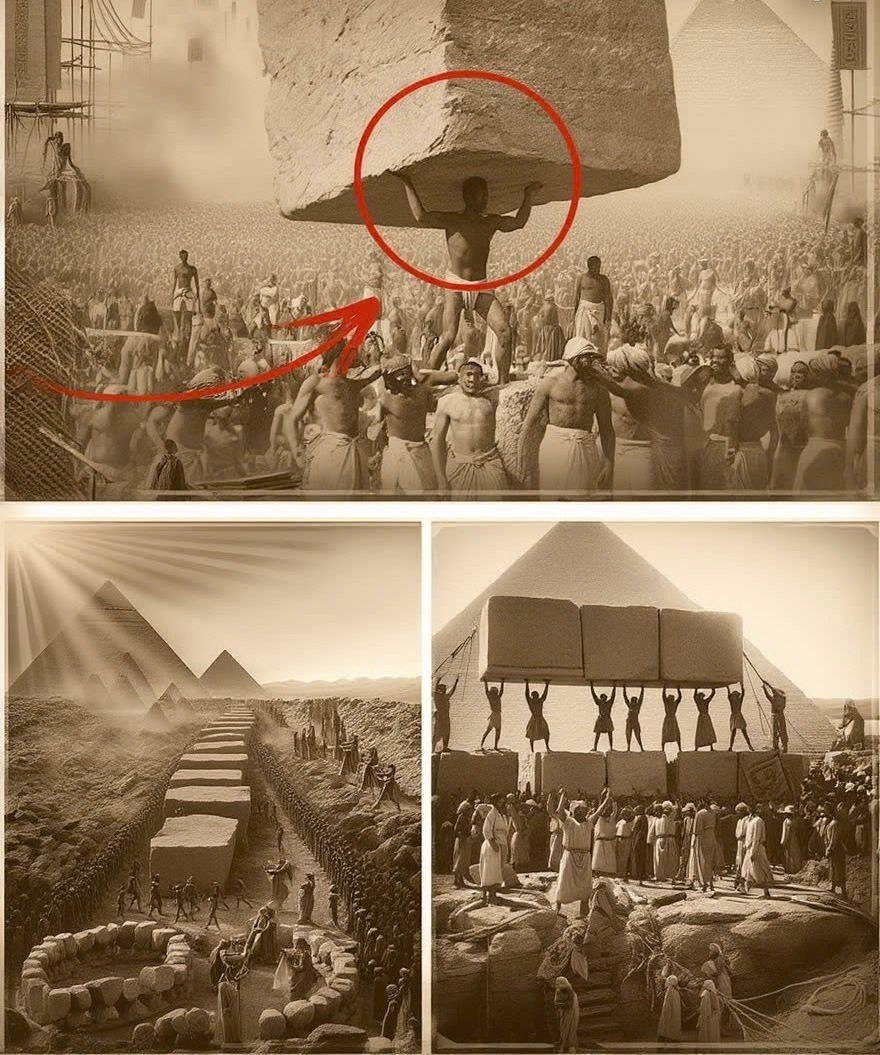
The discoveries show that many workers were paid laborers, farmers who worked during the Nile flood season when agricultural work was impossible, and specialists who took pride in their contribution to these monumental projects. Graffiti found inside the pyramids even includes proud team names such as “Friends of Khufu” and “Drunkards of Menkaure,” suggesting a strong sense of identity and camaraderie.
Rather than symbols of oppression alone, the pyramids now appear as monumental achievements made possible through advanced organization, engineering expertise, and collective national effort. The presence of medical facilities and nutritious food rations indicates that the ancient Egyptian state invested in maintaining a healthy and productive workforce.
These findings have significantly shifted our understanding of ancient Egyptian civilization. They reveal a society capable not only of extraordinary engineering feats but also of supporting and sustaining the large numbers of people required to complete them.