Siberia’s Frozen Mammoth Graveyard and the Lost Ice Age World
Title: Siberia’s Frozen Mammoth Graveyard and the Lost Ice Age World
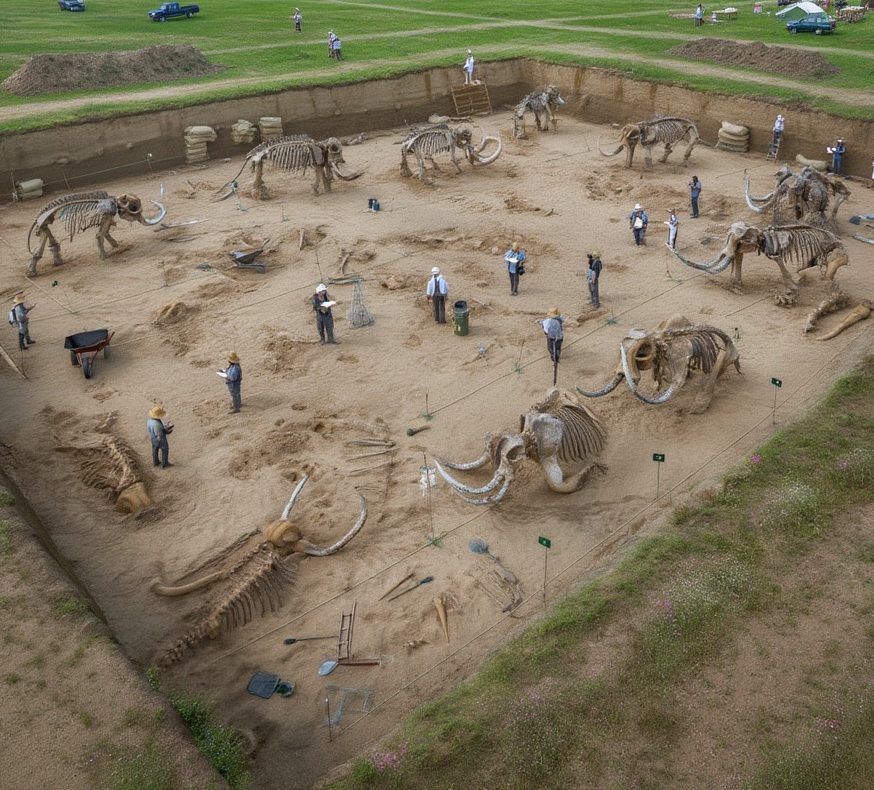
Deep beneath the frozen permafrost of Siberia, scientists have uncovered an extraordinary concentration of mammoth remains that may offer new insights into the prehistoric world.
The site, preserved in ice for thousands of years, contains massive tusks, nearly complete skeletons, and in some cases, remarkably intact soft tissue.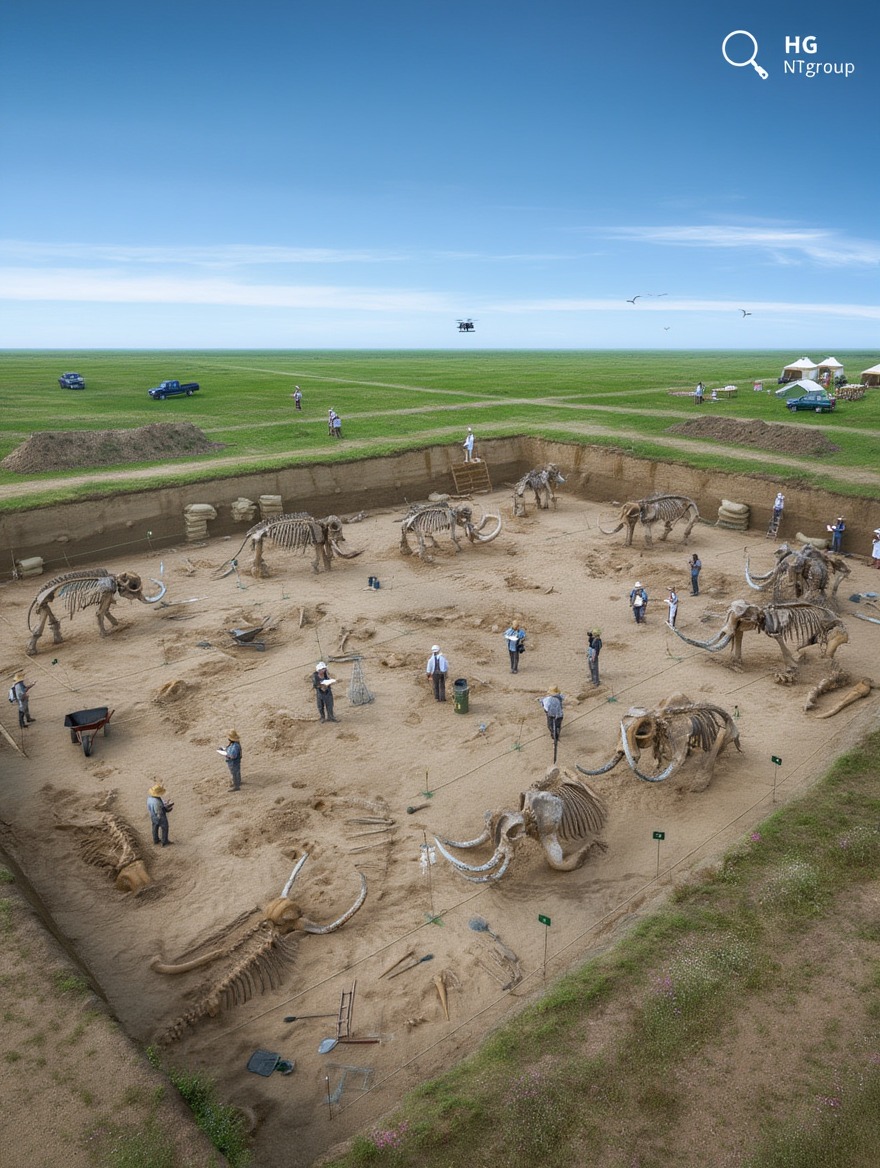
Unlike typical fossil sites, the extreme cold has acted as a natural preservation chamber, locking in biological and environmental details from the Ice Age.
Researchers believe this frozen graveyard could represent one of the largest collections of mammoth remains ever discovered in a single region.
Alongside the bones, scientists are analyzing ancient plant material and soil layers that may reveal what the environment looked like when these giants roamed the Earth.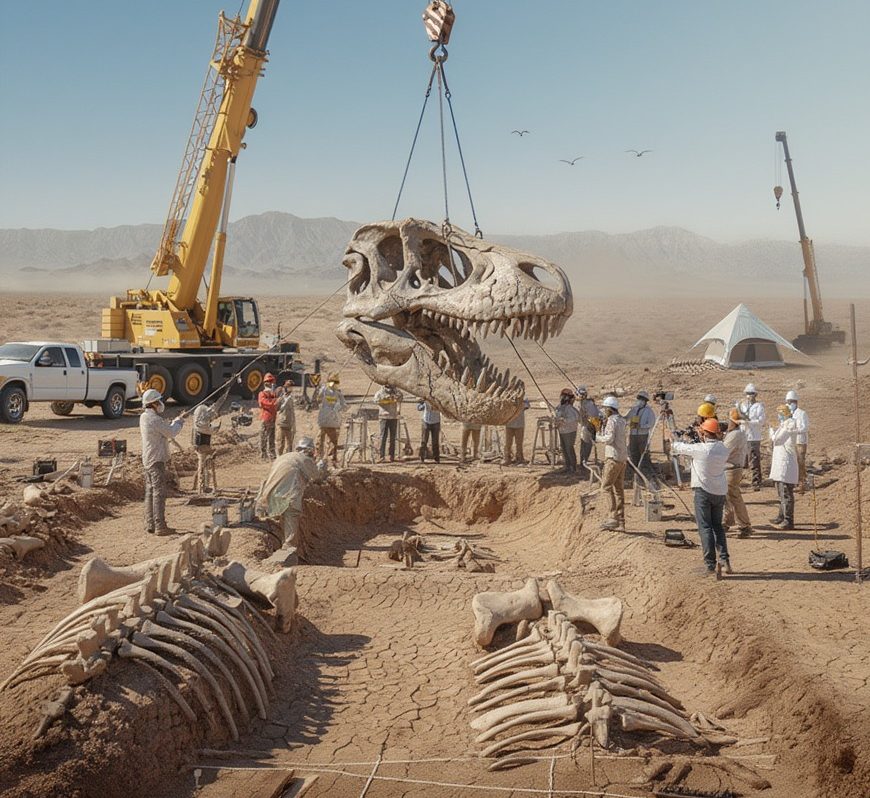
Early findings suggest that the region once supported rich grasslands capable of sustaining large herds of megafauna.
One major focus of research is understanding what led to the extinction of mammoths across Eurasia and North America.
Some evidence points toward rapid climate warming at the end of the Ice Age, which drastically changed vegetation and habitat availability.
Other studies consider the role of early human populations, who may have hunted mammoths as both a resource and a survival strategy.
Rather than a single catastrophic event, scientists increasingly support the idea of a gradual decline driven by multiple overlapping factors.
These may have included shifting ecosystems, shrinking food supplies, and increasing environmental instability.
The Siberian permafrost continues to yield new discoveries, including ancient DNA fragments that could help reconstruct the genetic history of mammoth populations.
Each excavation adds another piece to the puzzle of how these massive creatures lived, migrated, and ultimately disappeared.
Some online theories suggest sudden global catastrophes, but current scientific evidence does not support a single unexplained extinction event.
Instead, the picture emerging from the frozen ground is one of slow transformation over thousands of years.
As climate change continues to affect polar regions today, the thawing permafrost is both revealing history and raising new questions about the future.
What lies beneath the ice is not just remains of the past, but a record of an entire ecosystem lost to time.
The mammoth graveyard of Siberia stands as a frozen archive of Earth’s ancient history, still waiting to be fully read.