90-Million-Year-Old “Rosetta Stone” Dinosaur Fossil Rewrites Evolution!
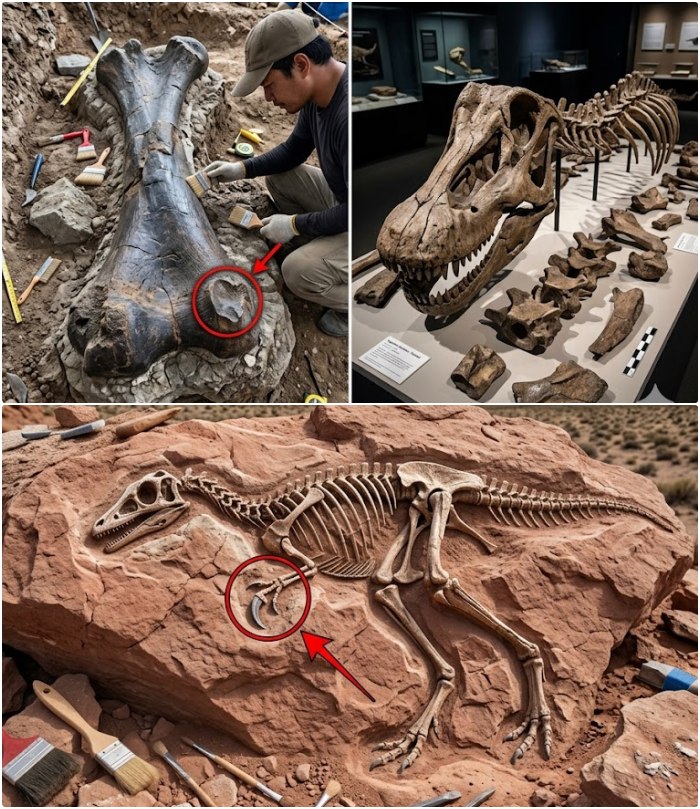
90-Million-Year-Old Nearly Complete Dinosaur Fossil Discovered in Patagonia
Paleontologists have unveiled a remarkably well-preserved skeleton of Alnashetri cerropoliciensis, a small crow-sized alvarezsaur dinosaur from the Late Cretaceous period.
The fossil, discovered in 2014 at the La Buitrera site in Patagonia, Argentina, was carefully prepared over ten years. It represents one of the most complete adult specimens of this group ever found and has been described in the scientific journal Nature in 2026.
Weighing less than 2 pounds (under 1 kg), this small, bird-like dinosaur provides important new information about the evolutionary history of alvarezsaurids. The specimen shows longer arms and larger teeth than expected, suggesting that miniaturization occurred earlier than previously thought, before the group developed their characteristic short arms and enlarged single claw.
Lead researcher Peter Makovicky has referred to the fossil as a “paleontological Rosetta Stone” because of its potential to clarify the evolutionary timeline and adaptations of these dinosaurs.
This discovery adds valuable evidence to our understanding of dinosaur evolution in South America during the Cretaceous period.