Maria Eduarda Rodrigues de Freitas Case Update: Six Arrested After Fatal Rope Jump in Brazil
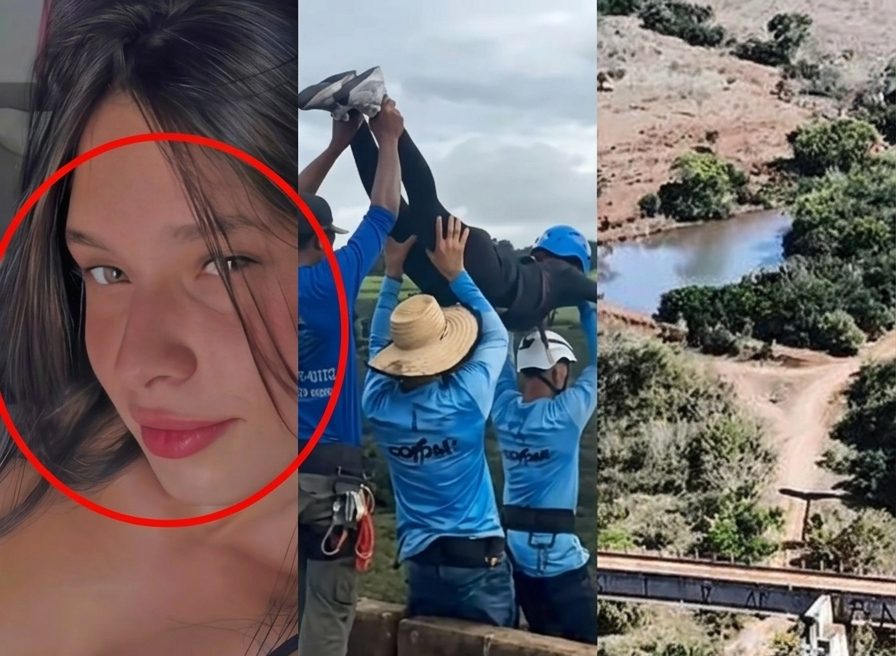
Maria Eduarda Rodrigues de Freitas Case Update: Six Arrested After Fatal Rope Jump in Brazil
Updated June 24, 2026
Brazilian police have concluded an important stage of their investigation into the death of 21-year-old Maria Eduarda Rodrigues de Freitas, who fell approximately 40 metres from an abandoned railway bridge after being launched without being connected to the required safety ropes.
The tragedy occurred on June 13, 2026, at the Ponte do Esqueleto, or “Skeleton Bridge,” near Limeira in the state of São Paulo. What had been planned as an exciting rope-jumping experience ended in a case that has caused anger throughout Brazil and raised serious questions about negligence, unauthorised extreme-sports operations and the possible concealment of evidence.
Six people have now been arrested in connection with the case. Three instructors have been formally indicted for homicide with dolus eventualis, a legal classification used when investigators believe someone did not necessarily intend to kill but knowingly accepted the risk that death could occur.
What happened on the bridge?
Maria Eduarda had contacted the company Entre Cordas and paid to participate in a rope-jumping event at the bridge. Rope jumping differs slightly from traditional bungee jumping: instead of relying on an elastic cord that produces repeated rebounds, the participant is connected to climbing-style ropes that create a pendulum movement after the initial fall.
Before the activity, Maria posted photographs from the location on social media, appearing excited about the experience. She was reportedly studying physical education and dreamed of working in that field.
A distressing video recorded by a witness shows members of the team lifting Maria horizontally in an “airplane” or “Superman” position near the edge. She was then launched from the bridge.
Almost immediately, people at the scene can be heard shouting about the missing rope. Investigators later determined that Maria should have been connected to two safety ropes, but neither had been attached when she was released.
She fell approximately 40 metres onto the ground below.
A nurse who witnessed the incident climbed down and attempted cardiopulmonary resuscitation. Other people continued trying to save Maria until emergency medical personnel arrived. However, she died at the scene from multiple traumatic injuries.
Three instructors indicted
Police initially arrested three instructors: Luis Felipe Feliciano Egoroff, Vitor de Freitas Gonçalves and Maicon Fernandes Cintra.
On June 22, the São Paulo Civil Police reportedly completed the principal homicide inquiry and indicted the three men for homicide with dolus eventualis. Investigators concluded that although the instructors may not have had a direct intention to kill Maria, their actions allegedly demonstrated acceptance of an obvious and potentially fatal risk.
Their arrests were converted into preventive detention after a court hearing, meaning they will remain in custody while the case proceeds unless another judicial decision changes their status.
According to reports about their police statements, the instructors could not clearly explain how Maria was launched without any safety connection. They allegedly gave uncertain accounts about who was responsible for attaching and checking the ropes.
Investigators also examined video footage from the scene, witness statements, equipment and digital communications to reconstruct the sequence of events.
Under Brazilian law, an indictment by police is not a conviction. Prosecutors must evaluate the investigative file and decide what charges should be pursued in court. The suspects retain the right to defend themselves, and their guilt must ultimately be determined through the judicial process.
Three additional arrests
The investigation widened on June 20 when police arrested three additional members of the event team: a 29-year-old woman detained in Rio de Janeiro and two men located in Limeira and Indaiatuba.
Search warrants were also carried out at addresses connected to the suspects. Police seized mobile phones, electronic devices and other materials that may help establish what happened before and after Maria’s death.
The three additional suspects were placed in temporary detention. Authorities said they were believed to have participated in organising or conducting the unauthorised activity.
Investigators are examining possible homicide-related responsibility as well as suspected procedural fraud, which may involve attempting to alter, destroy or conceal evidence relevant to a criminal investigation.
Police reported finding indications that potentially important digital content had been deleted after the incident. As of June 24, a final judicial determination regarding those allegations had not been announced.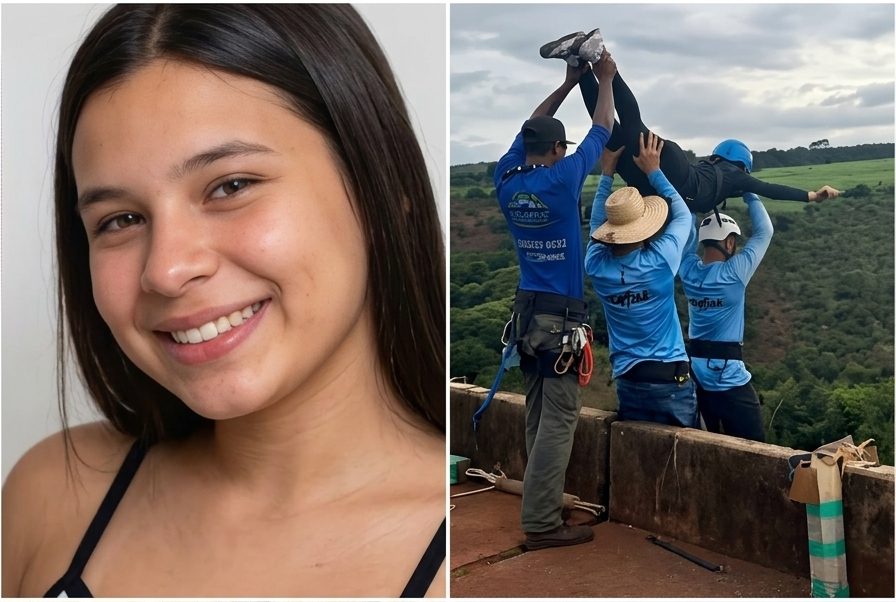
The missing camera
One of the most important unresolved elements is a camera Maria was reportedly wearing to record her jump.
A witness told investigators that a member of the team approached Maria after the fall and removed the camera from her body. Police documents cited in Brazilian media reportedly identify one of the later-arrested suspects as the person believed to have taken it.
The camera has not been recovered.
Authorities consider it critical because its footage could show Maria’s preparation, conversations among the instructors, the condition of the equipment and the exact moment she was carried toward the edge.
The disappearance of the device has increased suspicion that evidence may have been deliberately hidden or destroyed. However, that remains an allegation under investigation, and it has not yet been proven in court.
Investigators are now analysing seized phones and electronic equipment to determine whether recordings were transferred, deleted or shared. Digital-forensics specialists may also attempt to recover erased files.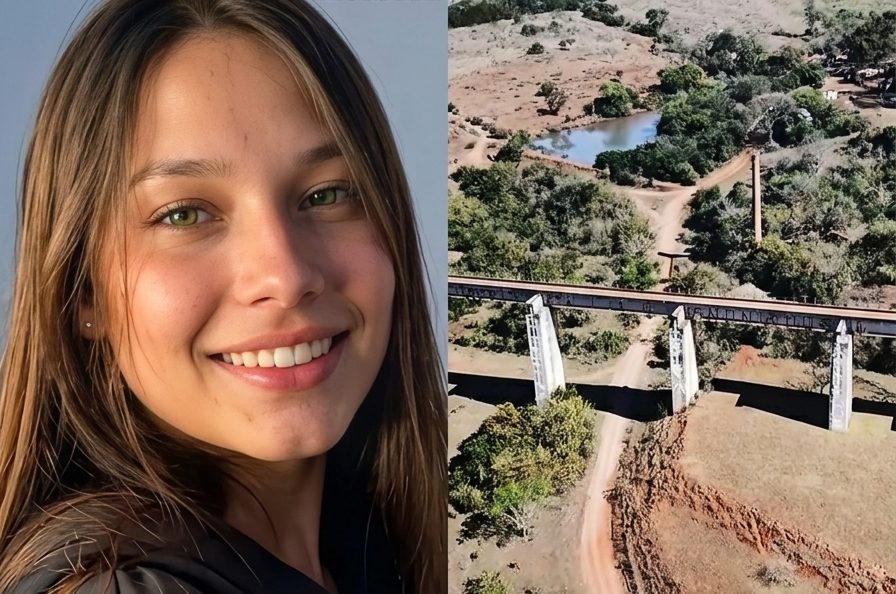
Reports that staff fled
Police records state that some members of the team attempted to leave after the fall.
According to court and media reports, two suspects ran into a wooded area when police arrived. Additional officers, vehicles and a helicopter were used during the search. Other individuals allegedly changed their clothing before being identified.
The judge who ordered the first three suspects to remain in preventive detention cited the reported escape attempts, the missing camera and the possibility that evidence could be obstructed.
The court also considered reports that the group had regularly organised jumps at the location, potentially placing other participants at risk.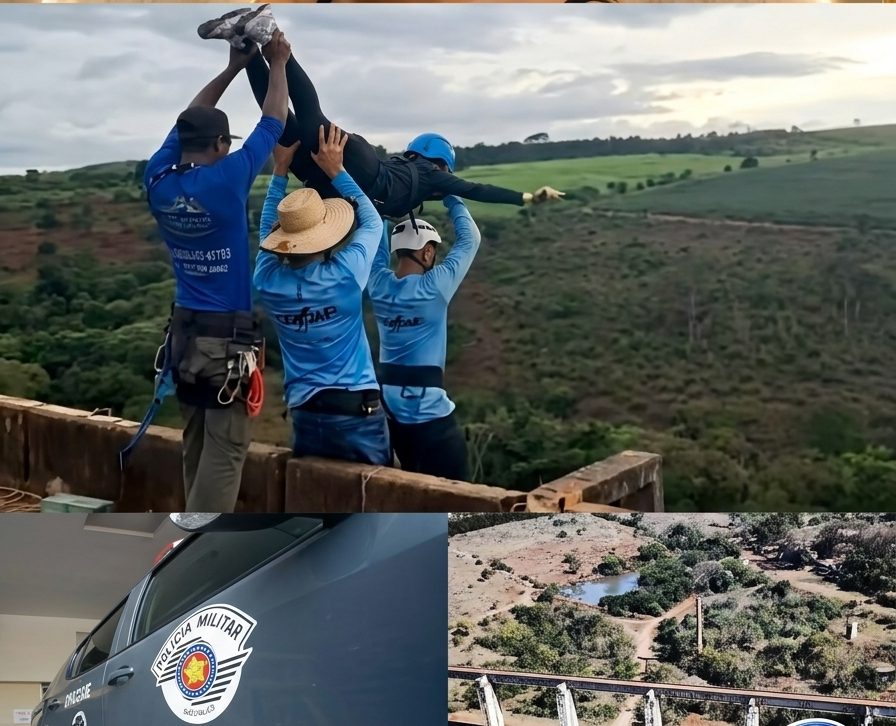
Operation was not authorised
Brazil’s Secretariat of Federal Heritage confirmed that Entre Cordas did not have permission to conduct sporting activities on the bridge.
The structure formed part of an abandoned railway project and had recently been incorporated into federal property. Officials said access had previously been restricted, but barriers were removed or bypassed.
Despite the dangerous condition of the bridge and its unclear accessibility, it had become a popular location for extreme-sports activities. Previous injuries and deaths had reportedly occurred in the surrounding area.
The federal government is now considering demolishing the bridge. Limeira authorities have requested its removal, increased barriers and signs around the site, and called for a federal investigation into how unauthorised activities continued there.
A family demanding answers
Maria was buried at the Municipal Cemetery of Jandira, where she lived, one day after the tragedy.
Her mother, Valdenia Rodrigues, shared an emotional message describing the pain of losing her daughter and expressing gratitude for the 21 years they spent together.
For Maria’s family, the case is not merely about a missing safety check. It is about determining how a commercial extreme-sports operation could launch a participant from a 40-metre bridge without completing the most fundamental safety procedure.
The latest police findings have moved the case forward, but major questions remain. Investigators are still seeking the missing camera, analysing deleted digital evidence and establishing the responsibility of every person involved.
Six suspects have been arrested, and three instructors have been indicted. No one has yet been convicted. The next major step will depend on prosecutors and the courts as Maria’s family continues to demand accountability for a tragedy they believe should never have happened.