Norway’s Potential Polar Bear Skin Import Ban: A Step Toward Ending a Controversial Trade
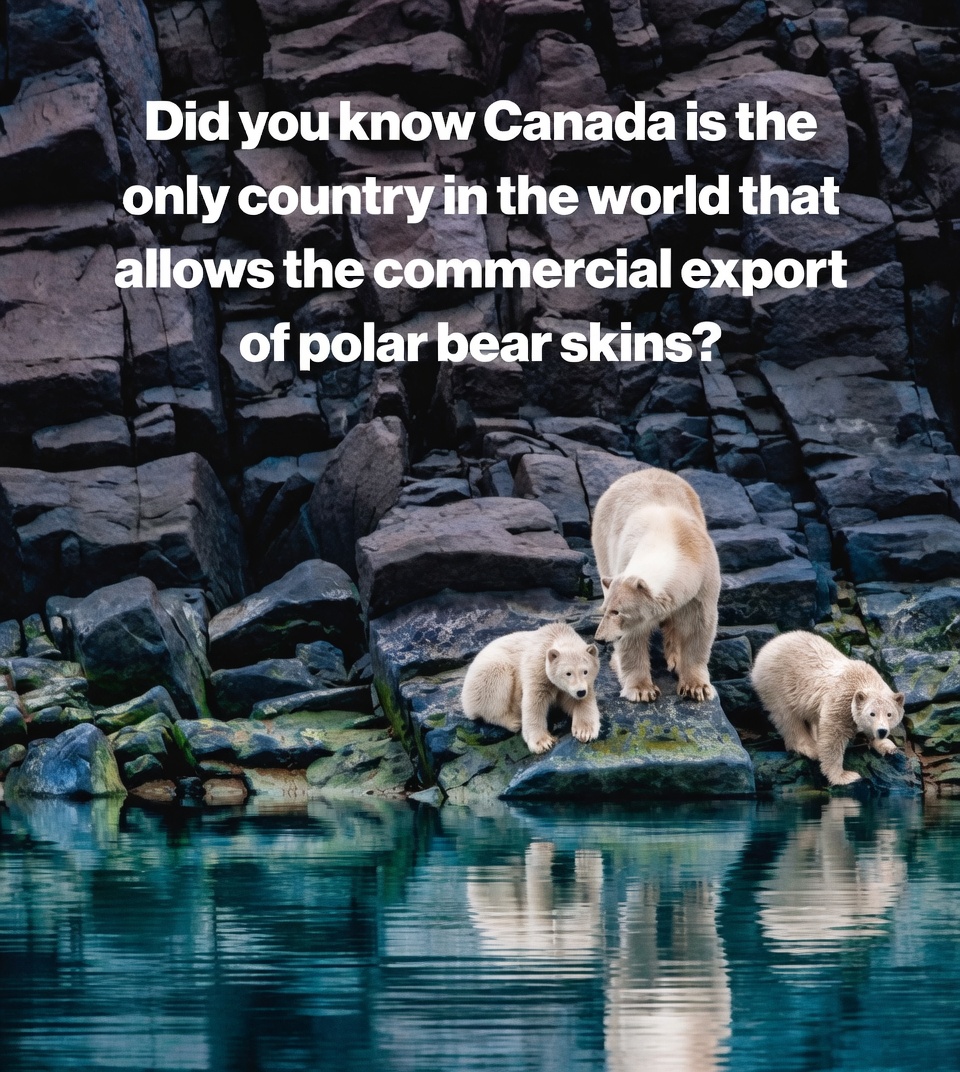
Canada stands alone as the only country in the world that permits the commercial export of polar bear skins. While other range states — including Russia, the United States, Greenland, and Norway itself — banned commercial hunting decades ago, Canada continues to allow regulated harvests, primarily by Inuit communities, with thousands of hides entering international markets. Between 2002 and 2021, more than 4,000 polar bear hides were exported from Canada, many destined for luxury use in China.
The trade persists because of demand. China is by far the largest importer, where high-quality pelts can fetch tens of thousands of dollars for rugs and fashion. Norway ranks as the second-largest importer after China, having brought in hundreds of skins in recent years despite having protected its own polar bears since 1973. This creates a striking contradiction: a nation known for environmental leadership indirectly fuels a hunt that targets some of the Arctic’s most iconic and vulnerable animals.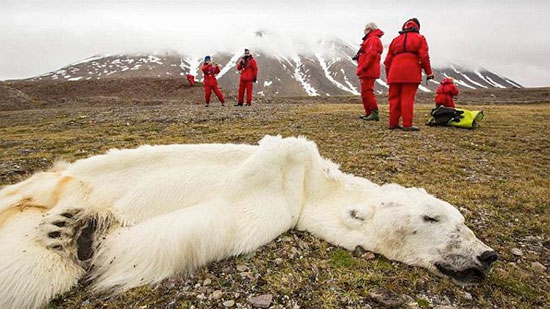
Conservation Concerns and Cultural Realities
Polar bears are listed as vulnerable by the IUCN, facing primary threats from climate change and melting sea ice. Critics argue that commercial trade adds unnecessary pressure, incentivizing the harvest of large, healthy bears prized for their hides. Proponents, including some Canadian Indigenous groups and wildlife managers, counter that the hunt is strictly quota-controlled, provides essential income to remote Arctic communities, and supports conservation through sustainable use principles.
Norway now has an opportunity to lead. Discussions about becoming the first European country to ban imports of polar bear products have gained traction, backed by strong public support — polls show nearly 80% of Norwegians favor a prohibition. Such a move could reduce global demand, pressure other importers, and align Norway’s policy more closely with its domestic protections for the species.
The Bigger Picture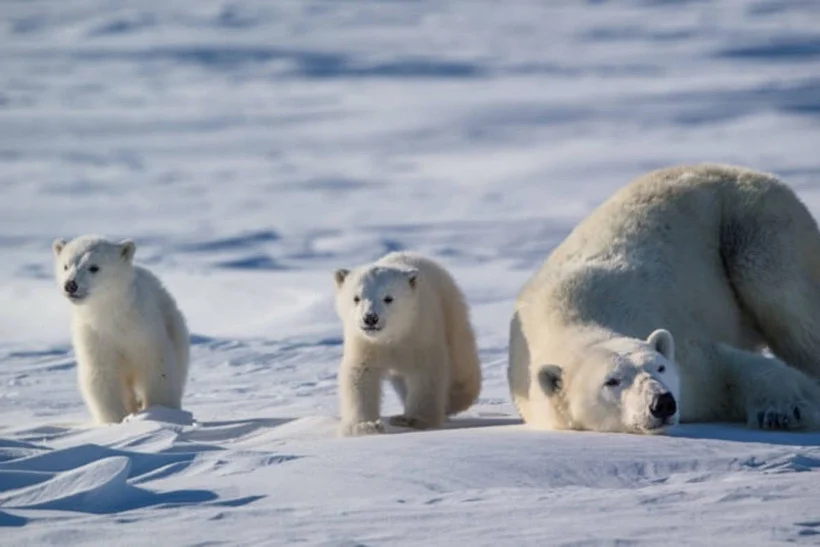
This issue highlights the tension between cultural rights, economic needs in the Arctic, and global conservation goals under CITES. A Norwegian ban would not end the trade overnight, but it would send a powerful signal that luxury demand for polar bear skins is increasingly unacceptable in the 21st century. As climate change accelerates threats to the species, reducing commercial exploitation could become a critical part of broader protection efforts. The world will be watching whether Norway turns consideration into action.