The backlash surrounding the “Justice for Louis” campaign has shifted the case from a local tragedy in Narbonne into a national debate over grief, justice, youth violence, and the political use of a family’s pain
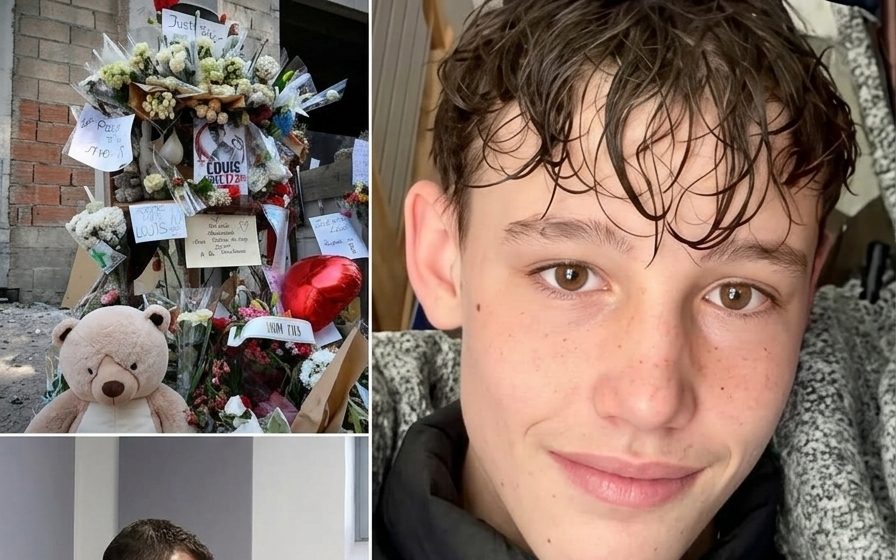
The backlash surrounding the “Justice for Louis” campaign has shifted the case from a local tragedy in Narbonne into a national debate over grief, justice, youth violence, and the political use of a family’s pain.
As of July 8, 2026, the “Justice for Louis” movement remains under intense scrutiny after relatives of 17-year-old Louis Hervé distanced themselves from political demonstrations held in his name. Louis died on June 23 after an alleged violent assault in Narbonne, southern France, following events that prosecutors are still investigating. Five young suspects, aged between 17 and 19, have been placed under formal investigation and detained while the judicial inquiry continues, according to French media citing prosecutors and police sources.
The controversy intensified after demonstrations using the slogan “Justice for Louis” were promoted online and attended by activists and political figures. IBTimes UK reported that Louis’s family condemned what they viewed as the political exploitation of his death and asked that his case not be used to advance political causes. French Interior Minister Laurent Nuñez also warned against far-right groups using the teenager’s death for political messaging, while stressing that prosecutors had not established a racist motive in the case.
The emotional center of the story remains Louis’s family. His relatives have repeatedly called for justice, but not for his memory to become a political weapon. La Dépêche reported that a family-backed march was planned in Narbonne, with one of Louis’s aunts saying the family wanted it to be the final march and that they were tired of repeated public demonstrations around his death. The same report noted that Louis’s family had not associated itself with an earlier march organized by far-right activists on June 28.
That distinction is now at the heart of the backlash. Supporters of the “Justice for Louis” slogan argue that public anger reflects a wider fear over youth violence, insecurity, and failures in child protection. Critics say the campaign risks reducing Louis’s life to a symbol for broader political battles before the facts have been fully established in court. The family’s position has forced many observers to confront a difficult question: when does public mourning become public appropriation?
On July 4, around 550 people gathered in Carcassonne for a white march organized at the initiative of Louis’s father, Nicolas Hervé. La Dépêche described the event as emotional and less politically charged than the larger Narbonne march that followed. Nicolas Hervé paid tribute to his son as a kind and precious boy, saying he wanted to fight so that Louis would never be forgotten.
The next day, July 5, the atmosphere in Narbonne was different. According to La Dépêche and AFP reporting, approximately 4,500 people marched in Louis’s memory. The crowd was largely dressed in white, but the event also carried a strong political tone, with the presence of figures such as Éric Zemmour and Marion Maréchal. Some slogans heard during the procession went beyond mourning and entered the terrain of national identity and criminal justice politics.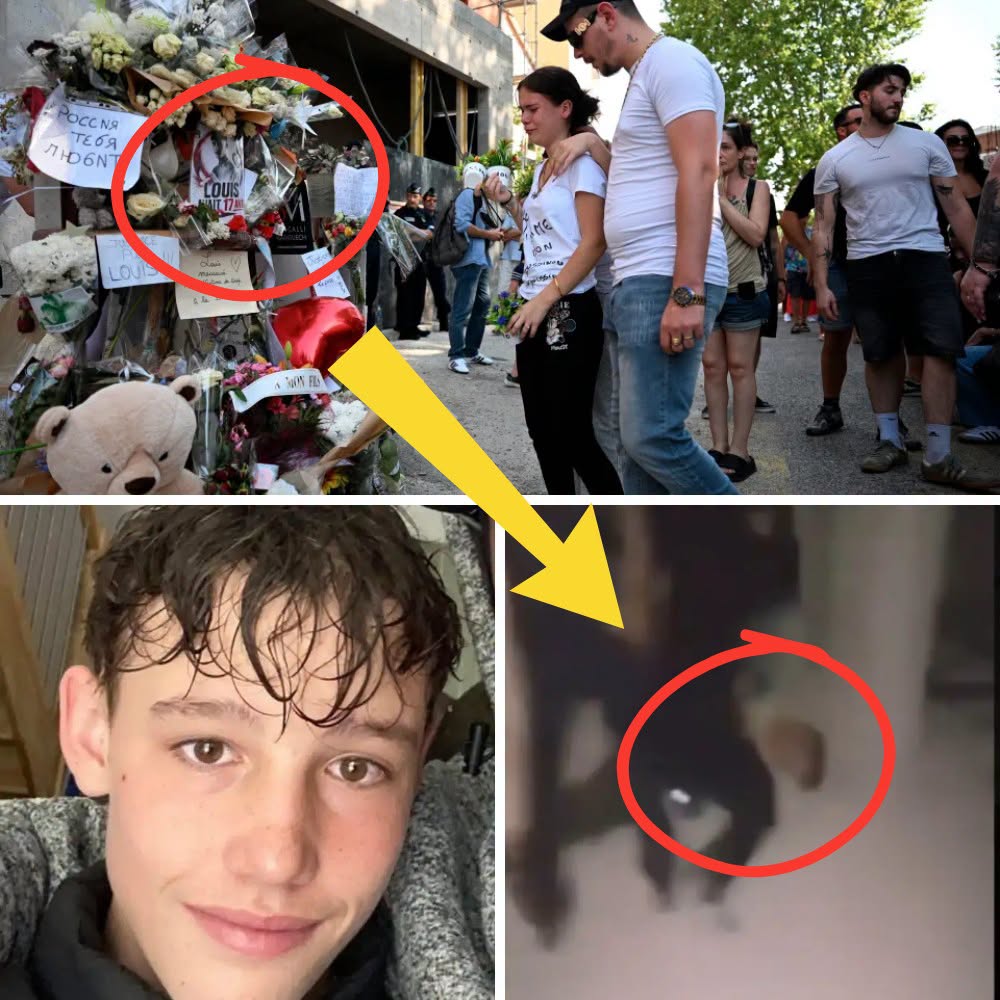
Louis’s mother also spoke during the Narbonne tribute, in a moment that became one of the most widely reported emotional scenes from the march. She called for tougher criminal justice responses, especially in relation to minors suspected of serious crimes. Her words reflected grief and anger, but the wider political framing of the event renewed debate over whether the family’s loss was being amplified respectfully or instrumentalized by others.
The investigation itself remains ongoing. RTL reported that prosecutors said the motive was still unknown, while also saying it was possible to rule out a racial motive at that stage. Prosecutor Jean-Philippe Rey also sought to correct misinformation circulating online, emphasizing that the suspects benefit from the presumption of innocence and that investigators are still working to establish the role of each person involved.
Another sensitive element is Louis’s background. French reports say he had recently been under the care of child-protection services, and that some of the suspects were also known to those services. La Dépêche reported that Louis had previously alerted authorities about harassment and had filed a complaint in May involving other young people not linked to the current suspects. This has brought renewed attention to France’s child-protection system and whether vulnerable teenagers receive enough support before situations escalate.
The case has therefore developed on three levels at once. First, there is the criminal investigation into what happened to Louis and who should be held responsible. Second, there is the family’s personal grief and their effort to protect his memory. Third, there is the national debate now forming around youth violence, juvenile justice, public safety, and the limits of political activism after a tragedy.
For now, the strongest message from Louis Hervé’s family appears to be that justice should remain focused on Louis himself. They want accountability, remembrance, and dignity. The backlash against the “Justice for Louis” campaign shows how quickly a slogan can become contested when it moves from a grieving family’s demand into the hands of political movements, influencers, and online commentators.
The coming weeks will likely bring more legal updates as investigators continue examining the evidence and the roles of the five suspects. But the public debate has already revealed something painful: in high-profile cases involving young victims, the fight for justice can become entangled with competing narratives almost before the family has had time to mourn.