Mercy and Goodness: From Shared Skull to Separate Futures
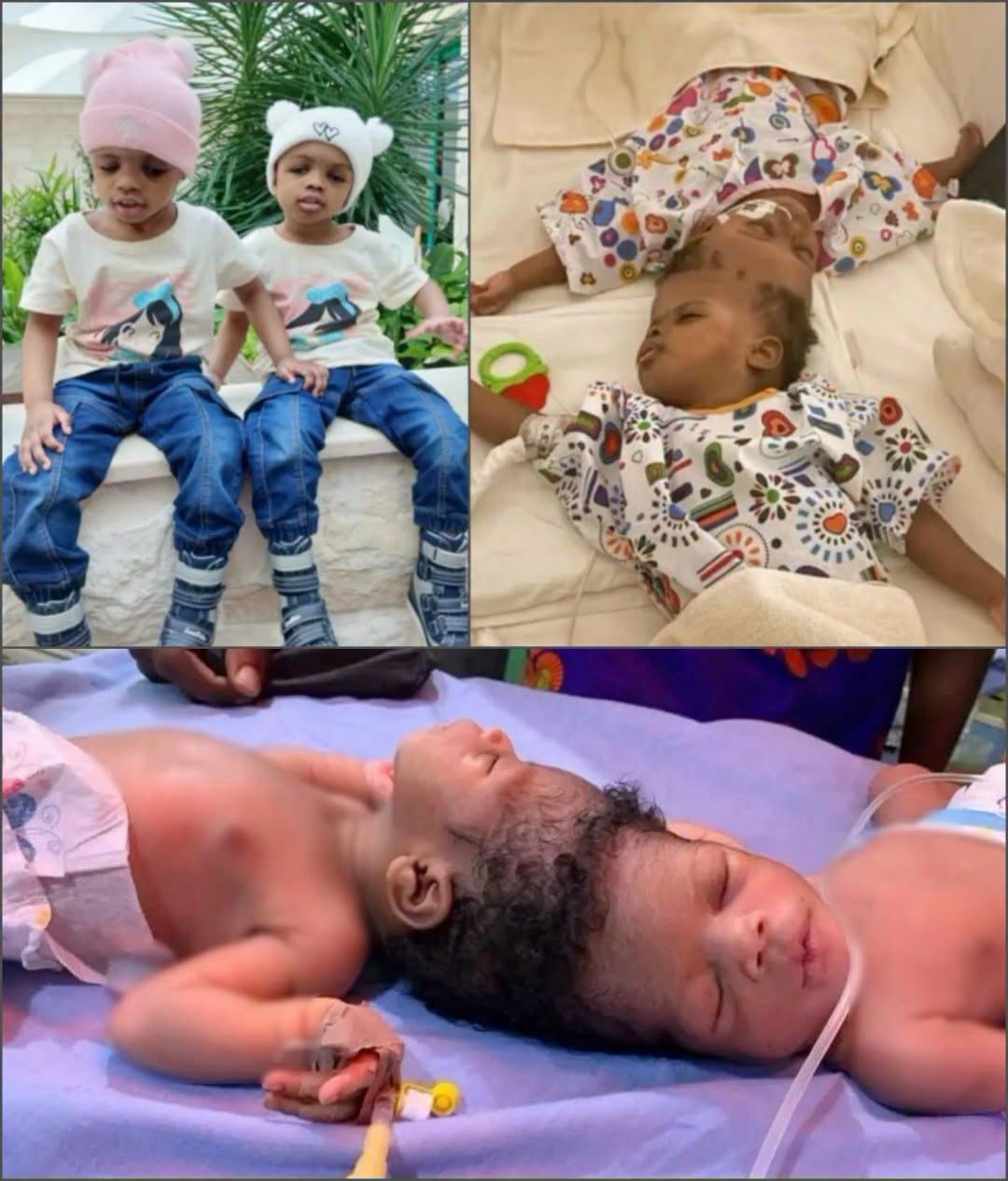
For 19 months, twin sisters Mercy and Goodness shared more than just a bond of sisterhood — they shared the same skull.
Born in June 2023 in Nigeria’s Ekiti State, the girls were craniopagus conjoined twins, one of the rarest forms of the condition. Their skulls were fused at the top, with intertwined brain tissue and connected blood vessels. Craniopagus twins account for only about 5% of all conjoined twin cases, and the odds of such twins surviving long enough to reach surgery are estimated at one in 10 million births.
At just six months old, Mercy and Goodness came under the care of the specialist charity Gemini Untwined and a world-renowned pediatric neurosurgery team. In 2025, they traveled to Abu Dhabi, United Arab Emirates, for treatment at SEHA Sheikh Khalifa Medical City in partnership with PureHealth.
What followed was one of the most meticulously planned pediatric neurosurgical journeys ever undertaken. An international team of more than 60 specialists from the UAE, UK, Brazil, and Nigeria spent months preparing. They used artificial intelligence, advanced 3D modeling, virtual reality, augmented reality simulations, and mixed-reality technology to map the twins’ delicate anatomy in extraordinary detail. For the first time in a craniopagus separation, custom skull implants were designed using mixed reality overlays of CT data.
The girls underwent four carefully staged operations over several months, totaling more than 40 hours of surgery. Innovations included an “Open Book” approach that used gravity to support the brain and reduce trauma, earlier gradual tissue expansion that eliminated the need for skin grafts, and 3D-printed titanium grafts to reconstruct their skulls after separation. The final procedure alone lasted around 12 hours.
The outcome was a success. Mercy and Goodness were separated when they were approximately 15 to 19 months old. They recovered well under continuous rehabilitation in the UAE, developing motor skills and adapting to independent movement, before preparing to return home to Nigeria to live separate lives.
This case marked Gemini Untwined’s ninth successful craniopagus separation and the first of its kind performed in the UAE. It stands as a powerful example of what global collaboration, cutting-edge technology, and dedicated medical teams can achieve.
Photos of the sisters capture both the complexity of their early days — two newborns side by side in the hospital — and the joyful moments afterward: two little girls in matching pink and white bear hats sitting together outdoors, and later smiling independently.
Mercy and Goodness’s story is one of medical innovation meeting human courage. From sharing a single skull to taking their first steps toward individual futures, these twin sisters have shown the world what is possible when science, skill, and compassion come together.
Their journey continues — now as two separate, strong little girls.
Sources:
- Gemini Untwined official case summary for Mercy and Goodness
- The National (UAE): Coverage of the Abu Dhabi separation surgery