Lindsay Clancy Journal Revealed Desperate Need for ‘Mental Break’ Two Months Before Killing Her Three Children

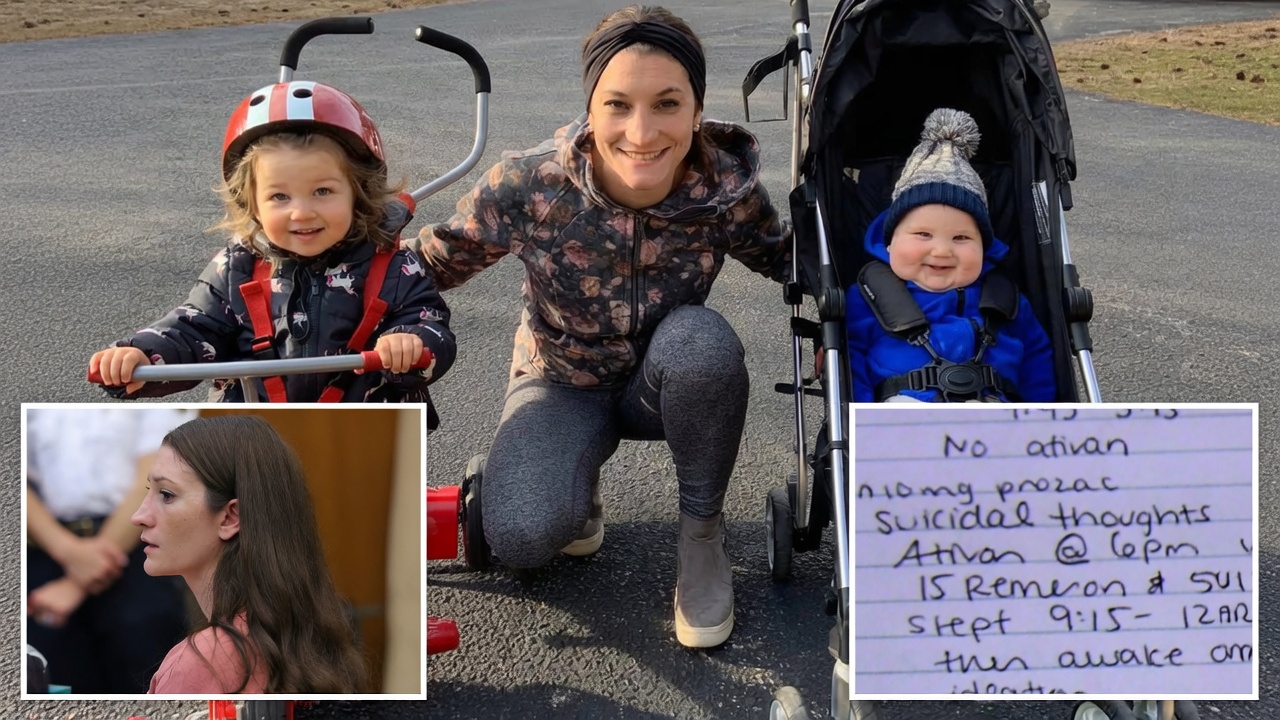
Jurors in the murder trial of Lindsay Clancy heard emotionally charged testimony Monday as excerpts from the former nurse’s personal journal were read aloud in court. In an entry dated November 18, 2023 — roughly two months before she strangled her three young children — Clancy wrote that she was “so desperate to get a mental break from taking care of everyone” that her mind seemed to be inventing physical ailments as an escape.
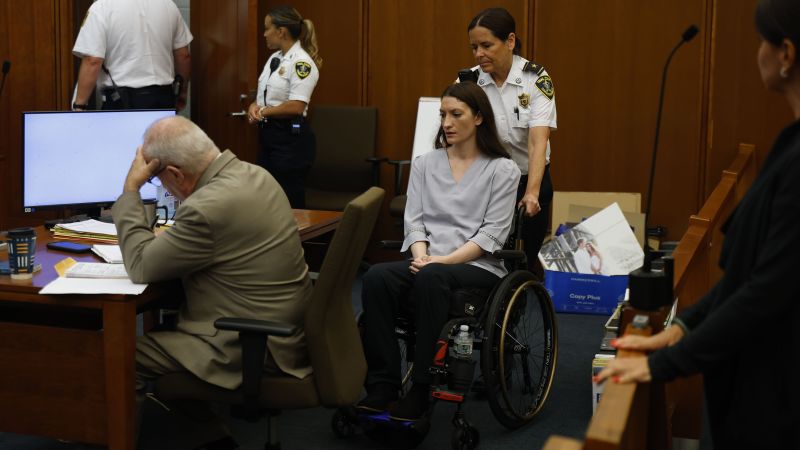
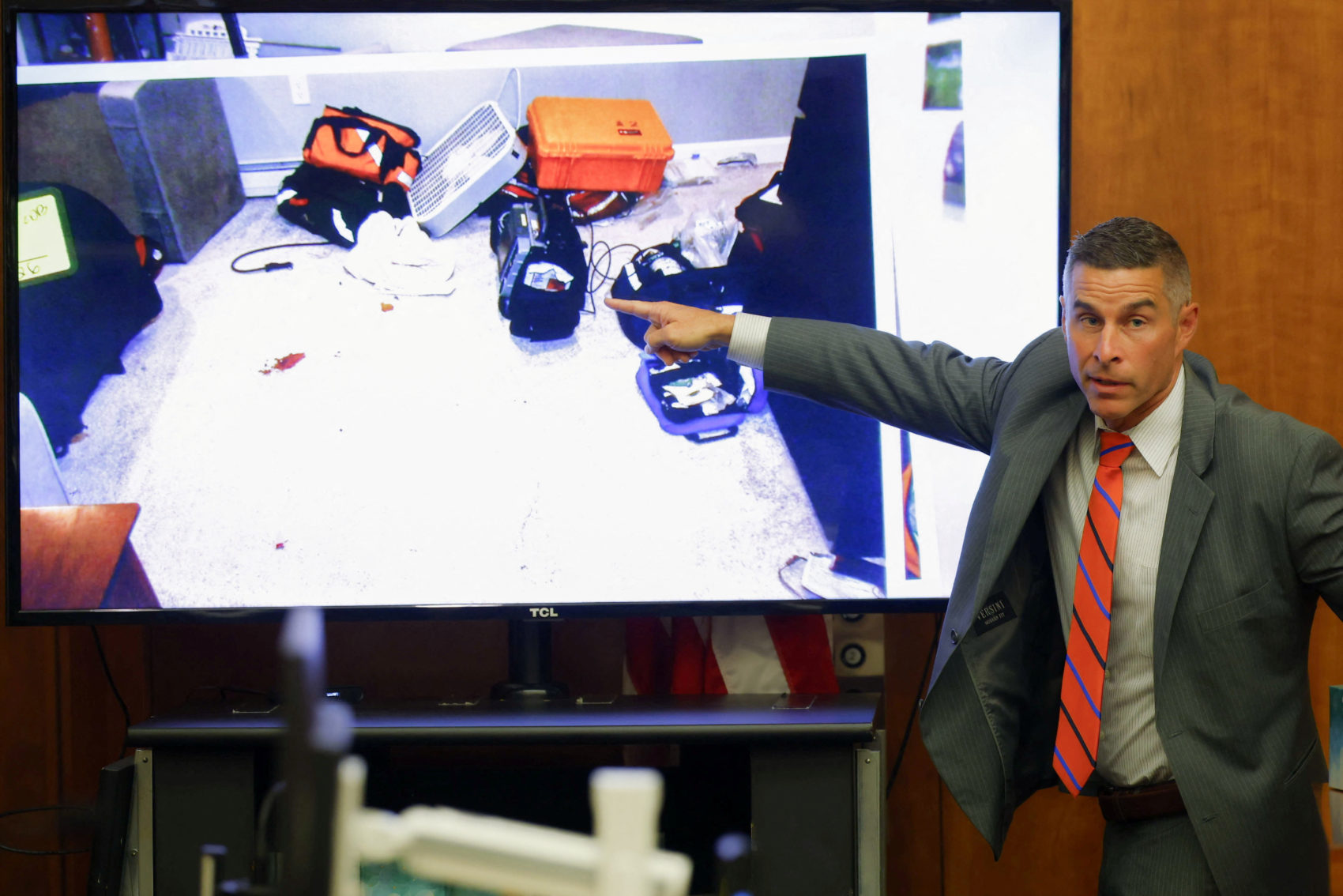
The 35-year-old Duxbury, Massachusetts, mother documented months of “horrible insomnia and anxiety,” guilt over stopping breastfeeding her infant son, and struggles with sleep-training the baby. “I want help. I want to be well,” she wrote in one of the entries spanning from October 2022 to January 2023. Massachusetts State Trooper Cory Melo, who collected the journals and other evidence from the family home, was the final witness of the day after a full schedule of medical and law-enforcement testimony.
Clancy is charged with murdering her children — Cora, 5; Dawson, 3; and 8-month-old Callan — on January 24, 2023. She used elastic workout bands to strangle them while her husband, Patrick Clancy, was out running errands. Afterward she cut her wrists and neck and jumped from a second-story bedroom window, suffering catastrophic spinal injuries that left her paralyzed. She has appeared in court in a wheelchair throughout the trial. Her defense maintains she was in the grip of postpartum psychosis and therefore not criminally responsible; prosecutors argue the killings were deliberate.
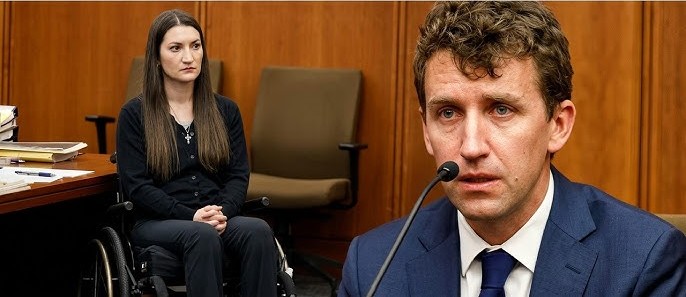
Hospital Psychiatrists Describe Clancy’s Demeanor After the Killings
Earlier Monday, two psychiatrists who evaluated Clancy during her month-long stay at Brigham and Women’s Hospital in Boston testified that she appeared calm, cooperative, and free of active suicidal or homicidal ideation in the days following the tragedy.
Forensic psychiatrist Dr. Jhilam Biswas saw Clancy once on January 26, 2023, while the patient was still sedated and intubated ahead of back surgery. Unable to speak, Clancy wrote answers on paper. When asked about her mood she wrote “Horrified.” She also asked whether her body was broken and whether her legs were straight, and inquired about an attorney. Biswas noted no clear signs of psychosis during the brief 20- to 30-minute encounter.
Dr. Sejal Shah, who saw Clancy multiple times over the following weeks, testified that the patient reported no suicidal or homicidal thoughts, was cooperative, and looked forward to being transferred to a rehabilitation facility. Clancy asked that her health-care proxy be changed from her husband to her parents — a request that was granted once she emerged from post-sedation delirium — and also requested a “do not resuscitate” order, which was denied because of her recent suicide attempt.
Under cross-examination, defense attorney Kevin Reddington pressed both doctors on whether a person can appear outwardly normal while still experiencing psychosis. Both agreed that moments of clarity are possible and that psychosis does not always present with obvious physical or verbal impairment.
Medical Efforts to Save the Youngest Victim
The first witnesses of the day were physicians who detailed the frantic attempts to revive 8-month-old Callan. Dr. David Casavant, an intensive-care doctor at Boston Children’s Hospital, described how the infant briefly regained a heartbeat but never breathed independently and was ultimately declared brain-dead. After repeated neurological testing and consultation with Patrick Clancy, the decision was made to remove Callan from life support on January 27, 2023. Lindsay Clancy was seen dabbing her eyes with a tissue as the doctor finished his testimony.
The Defense and Prosecution Narratives
Clancy’s legal team argues she suffered from severe postpartum psychosis compounded by bipolar disorder and that a series of psychiatric medications — including antidepressants that may have been inappropriate for her underlying condition — worsened her mental state. They contend she repeatedly sought help, documented her declining health, and was failed by the medical system. Prosecutors counter that the journal entries, the careful timing of the killings while her husband was away, and her composed behavior in the hospital show calculation rather than an uncontrollable break from reality.
The first week of trial featured graphic evidence, including the children’s pajamas, the exercise bands used in the strangulations, and the anguished 911 call Patrick Clancy made upon discovering the bodies. A veteran police officer broke down on the stand while describing the scene in the basement. Clancy herself has wept repeatedly in court.
As the trial continues, the journal excerpts read Monday offer a window into Clancy’s state of mind in the months leading up to the killings — a period marked by exhaustion, guilt, insomnia, and an explicit longing for relief from the relentless demands of caring for three young children. Whether those writings support a finding of lack of criminal responsibility or simply illustrate a mother who was overwhelmed remains for the jury to decide.
Main Sources: New York Post, CNN, Massachusetts court testimony, Pima County and Boston-area medical records referenced in trial, and contemporaneous reporting on the Lindsay Clancy murder trial.