From Struggle to Smile: Baby Oliver’s Journey With a Congenital Cleft Palate
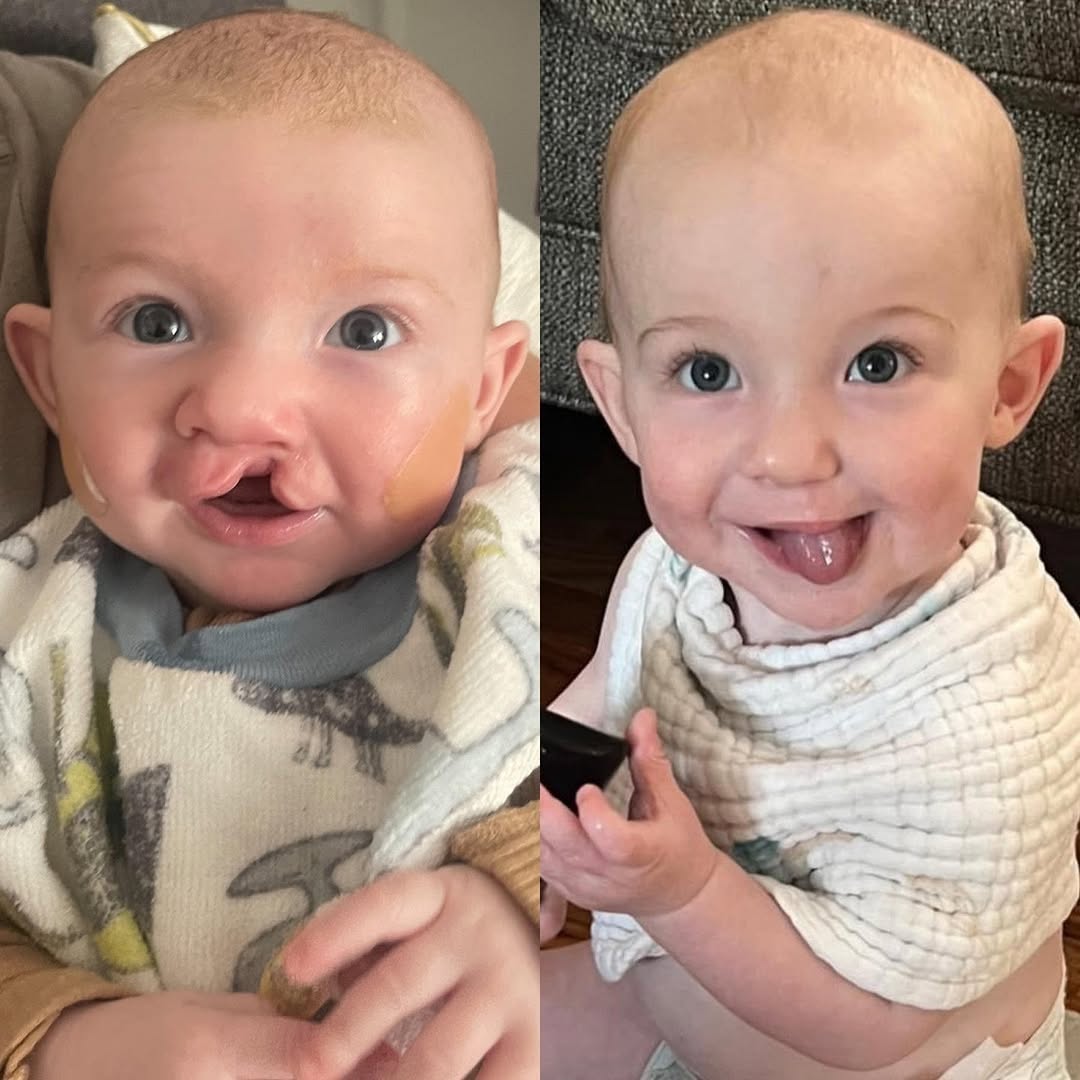
Born with a congenital cleft palate, Oliver’s early days were not easy. He had to spend a long time in the hospital for respiratory monitoring and feeding assistance, as breastfeeding and swallowing became more difficult than normal.
A cleft palate occurs when the roof of the mouth does not fully close during early pregnancy, leaving an opening that can affect feeding, breathing, and later speech development. In Oliver’s case, the condition made it hard for him to create the suction needed for normal feeding and increased the risk of milk entering the nasal passages or airway. Medical teams closely monitored his breathing and provided specialized support, including alternative feeding methods such as special bottles or tubes when necessary.
His mom faced it all with him—long nights, learning new ways to feed him, and finding strength even when things felt overwhelming. Like many parents of babies with cleft conditions, she adapted quickly, working closely with nurses, lactation consultants, and cleft specialists to ensure Oliver received the nutrition and care he needed while his body grew stronger.
Surgery to repair a cleft palate is typically performed when a baby is between 9 and 18 months old, once the child is strong enough and the tissues have developed sufficiently. The procedure closes the opening in the roof of the mouth, improving feeding, reducing the risk of ear infections, and laying the foundation for clearer speech later on. Many children also undergo earlier lip repair if a cleft lip is present, followed by ongoing care that may include dental work, speech therapy, and hearing checks.
Oliver’s story reflects the experience of thousands of families each year. With modern surgical techniques, multidisciplinary cleft teams, and dedicated parental support, most children born with a cleft palate go on to thrive. The transformation from the early challenges of hospital stays and specialized feeding to a healthy, smiling toddler is a powerful reminder of resilience—both the baby’s and the family’s.
Sources
- Clinical overviews of cleft palate from pediatric hospitals and cleft care organizations (e.g., Great Ormond Street Hospital, CLAPA, and similar centers)
- Standard medical guidance on feeding challenges, respiratory monitoring, and surgical timelines for congenital cleft palate
- Parent accounts and before-and-after case examples commonly shared in cleft awareness resources