Axel Horgan, 2, Defies the Odds With Ultra-Rare CLOVES Syndrome
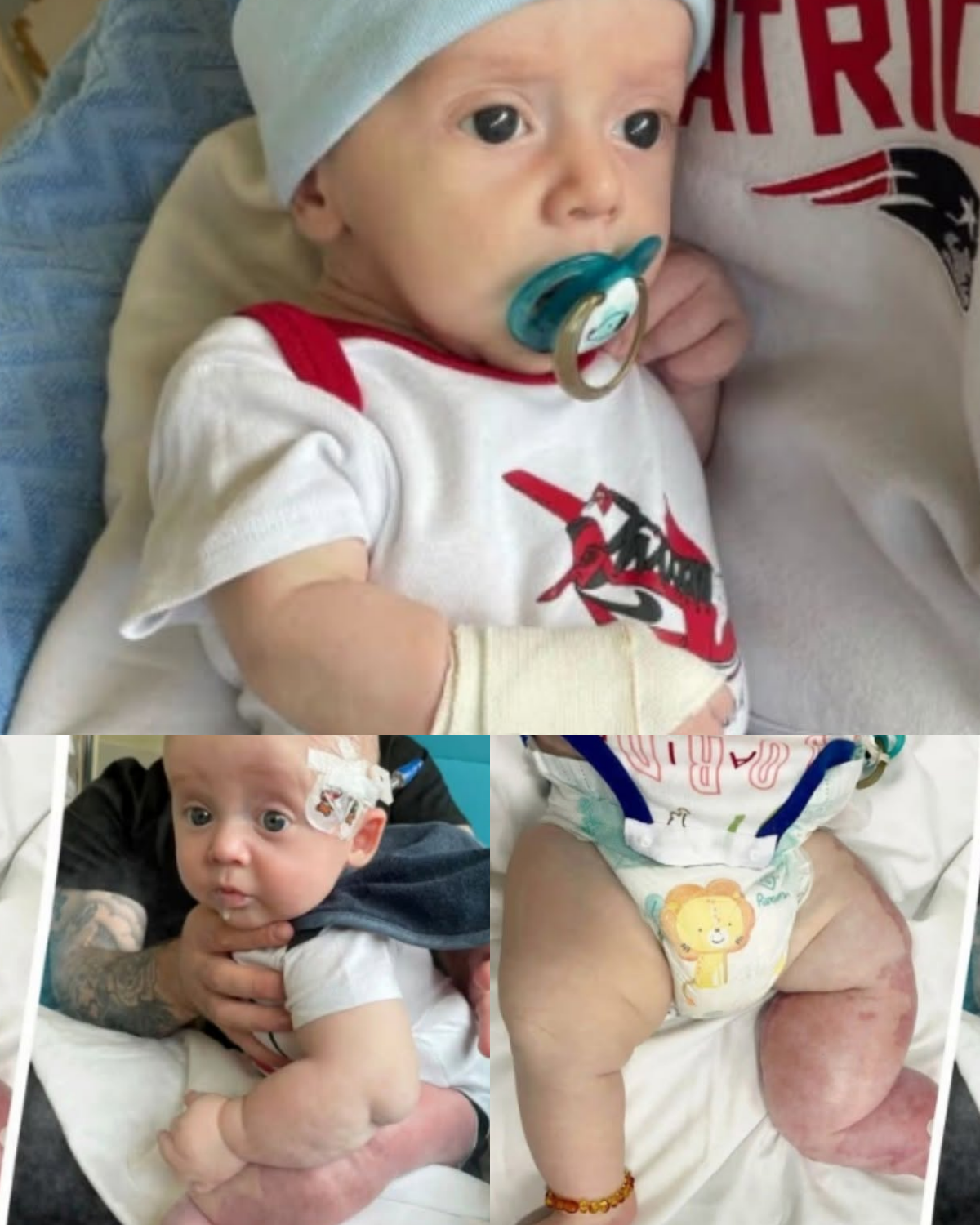
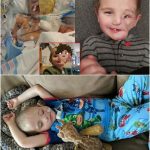
Axel Horgan, 2, was born with an ultra-rare condition called CLOVES syndrome, causing his left leg and foot to grow uncontrollably. Doctors once warned he might never walk — or even live beyond early childhood.
But Axel has already proven them wrong.
Despite constant pain and major challenges, he has taken his first steps, showing incredible strength and determination.
CLOVES syndrome (Congenital Lipomatous Overgrowth, Vascular malformations, Epidermal nevi, and Skeletal/Spinal anomalies) is an extremely rare genetic disorder caused by a mosaic mutation in the PIK3CA gene. It leads to asymmetric overgrowth of fatty tissue, complex vascular malformations, skin abnormalities, and skeletal issues. Fewer than 200 cases have been identified worldwide.
Axel was born on May 12, 2022, at University Hospital Kerry in Ireland, weighing 10 lbs 11 oz. From birth, his left leg was noticeably enlarged, accompanied by a port-wine stain and vascular overgrowths. After extensive testing—including genetic analysis, biopsies, MRIs, and other investigations—he was diagnosed with CLOVES syndrome (part of the broader PIK3CA-related overgrowth spectrum) in July 2022.
Early medical forecasts were grim. Specialists told his parents, Eddie Horgan and Sarah Curtin, that Axel might not survive past the age of two or three and was unlikely to walk, talk, eat independently, or achieve typical developmental milestones. He has endured significant pain, hospitalizations, a feeding tube at times, surgeries on his foot, and ongoing management of complications such as anemia and the risk of certain tumors.
Yet Axel has repeatedly surpassed expectations. Through intensive physiotherapy and sheer determination, the toddler has begun taking steps. To reduce his daily pain and improve his long-term mobility, doctors planned amputations of both feet (scheduled around early 2025), after which he will learn to walk with prosthetics. His parents continue to travel for specialized care, including consultations in Paris, while fundraising to support the high costs of treatment and therapy.
Axel’s story highlights both the severity of rare overgrowth syndromes and the remarkable resilience of children who face them. With ongoing medical support, adaptive technology, and devoted family care, he continues to rewrite the outlook once given to him.
Sources
- The Sun, The Mirror, and Irish Independent reports (2024) on Axel Horgan’s diagnosis, progress, and planned treatment
- CLOVES Syndrome Community and medical overviews from Boston Children’s Hospital, Orphanet, and NORD on the condition’s features and causes
- Family statements shared through fundraising and media interviews