“He’s Not Done”: How One ICU Nurse Gave a Family More Time and Hope
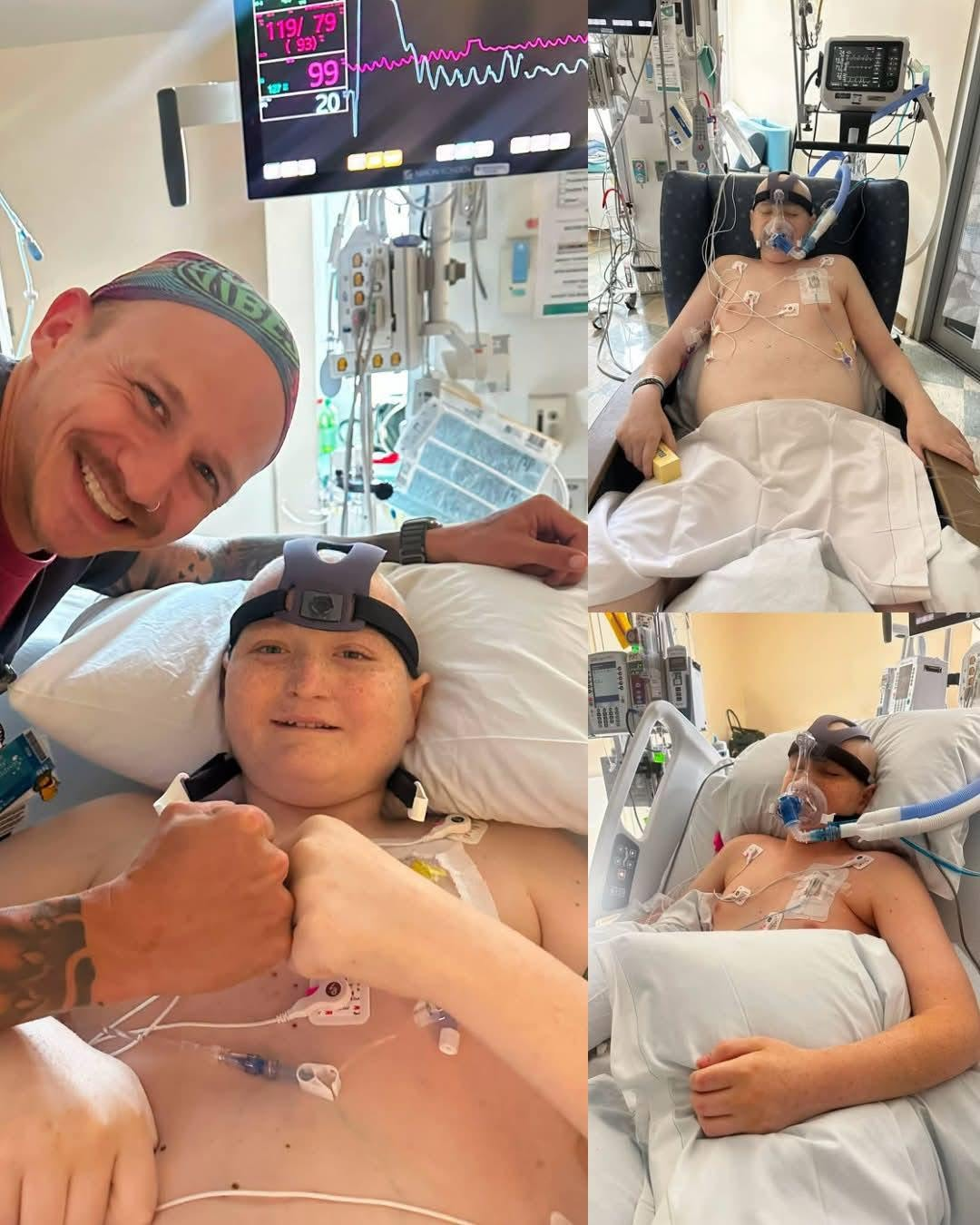
Will’s parents had begun preparing for the worst. Their son was critically ill in the intensive care unit, struggling with his oxygen mask and facing a difficult prognosis. Then ICU nurse Alex noticed something others might have overlooked.
Instead of interpreting Will’s movements against the oxygen mask as simple agitation, Alex saw determination. “He’s not done,” he told the family. That single observation shifted the atmosphere around Will’s bed.
In the days that followed, Alex focused on what could still be improved. He helped Will get out of bed, encouraged him to sit up, and supported efforts to address fluid overload and other reversible problems. Gradually, more fluid was removed from Will’s body and several of his clinical numbers began moving in a more positive direction.
Will’s long-term outcome remained uncertain. Yet Alex’s approach gave the family something they desperately needed: more time, a renewed sense of possibility, and the reminder that their son was still fighting—and that he was more than a set of numbers or a prognosis.
Will’s mother later shared the story so that the hospital—and others—would know exactly what this nurse had done. In an environment where medical teams must constantly balance realism with hope, Alex’s combination of clinical skill and human insight left a lasting impression on one family.
Stories like this highlight the quiet but powerful role intensive-care nurses often play: reading subtle signs of resilience, advocating for continued effort when it is still warranted, and supporting both patients and families through the most fragile moments.
Sources
- Account shared by Will’s mother describing the actions of ICU nurse Alex and the subsequent clinical improvements
- Family photographs from Will’s time in the ICU documenting his condition and care