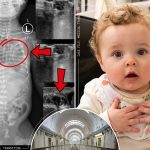
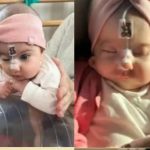
Almost 3 and Full of Fight: Sarah’s Journey with Thanatophoric Dysplasia Type 1
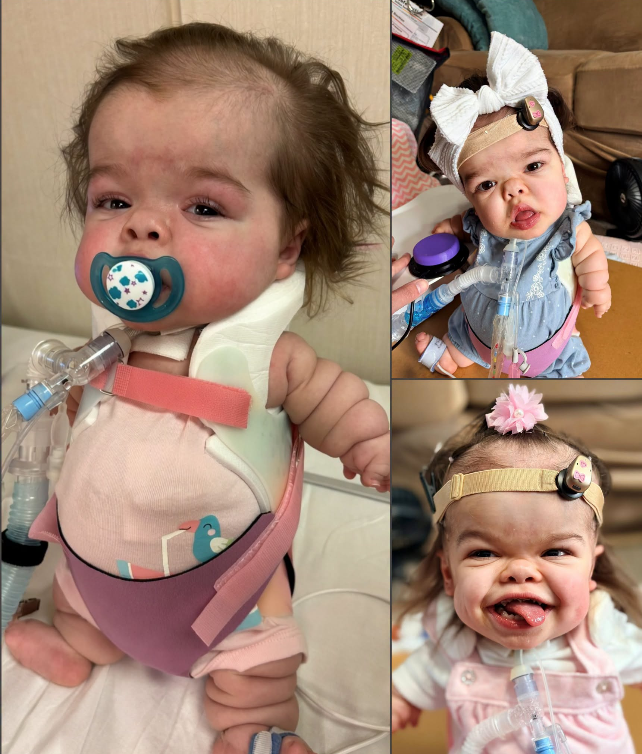
Almost 3-year-old Sarah may be small, but her spirit is incredibly powerful.
Born with a rare genetic condition called Thanatophoric Dysplasia Type 1 (TD1), she faces daily challenges that affect her growth, skeletal development, and breathing. Thanatophoric dysplasia is a severe form of skeletal dysplasia caused by mutations in the FGFR3 gene. It is characterized by extremely short limbs, a narrow chest, and underdeveloped lungs. The name itself comes from the Greek for “death-bearing,” reflecting the historically high rate of stillbirth or death in the newborn period due to respiratory failure.
Many children with this condition do not survive early life. Sarah, however, is still here—fighting with a smile every single day. Diagnosed prenatally, her parents were told survival outside the womb was unlikely even with aggressive intervention. They chose to proceed with medical support. Sarah was born prematurely and has required multiple surgeries, prolonged hospital stays (including hundreds of days in her first year), and ongoing respiratory assistance, commonly including a tracheostomy and related equipment to support her breathing.
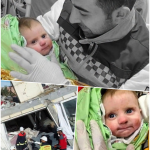
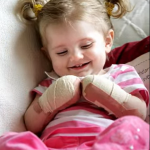
Despite the complex medical needs—narrow thorax, potential foramen magnum stenosis, and the need for continuous care—Sarah has progressed far beyond initial expectations. She now lives at home with her family, supported by nursing care, physical, occupational, and speech therapies, and early intervention services. Photos show her expressive face, sometimes with a pacifier or medical headbands, always conveying personality and determination.
Sarah is not defined by her diagnosis. To her family she is their miracle—a living reminder that some children with conditions once considered almost uniformly lethal can survive and experience joy, connection, and growth when given the chance and comprehensive support. Her story offers hope to other families facing a TD diagnosis and highlights both the advances in neonatal and pediatric intensive care and the profound impact of parental advocacy.
In a condition where long-term survival remains rare and requires lifelong medical management, Sarah’s continued presence and vibrant spirit stand as a powerful testament to resilience.
Sources
- Family accounts via The Paisley Foundation and related sharing of Sarah’s prenatal diagnosis of Thanatophoric Dysplasia, premature birth in early 2023, multiple surgeries, extended hospital stay, transition to home care with respiratory support and therapies, and ongoing thriving as a toddler; medical overviews of Thanatophoric Dysplasia Type 1 from Cleveland Clinic, GeneReviews, and clinical literature describing features, respiratory challenges, and rare long-term survivors