“HE WILL NEVER LEAVE PRISON”: Jamie Varley’s Life Sentence Brings Justice for Baby Preston — But a Bigger Reckoning Is Coming
The horrific case surrounding the death of 13-month-old Preston Davey has reached a devastating legal milestone, but the questions surrounding how the vulnerable child was allowed to suffer for so long are far from over.
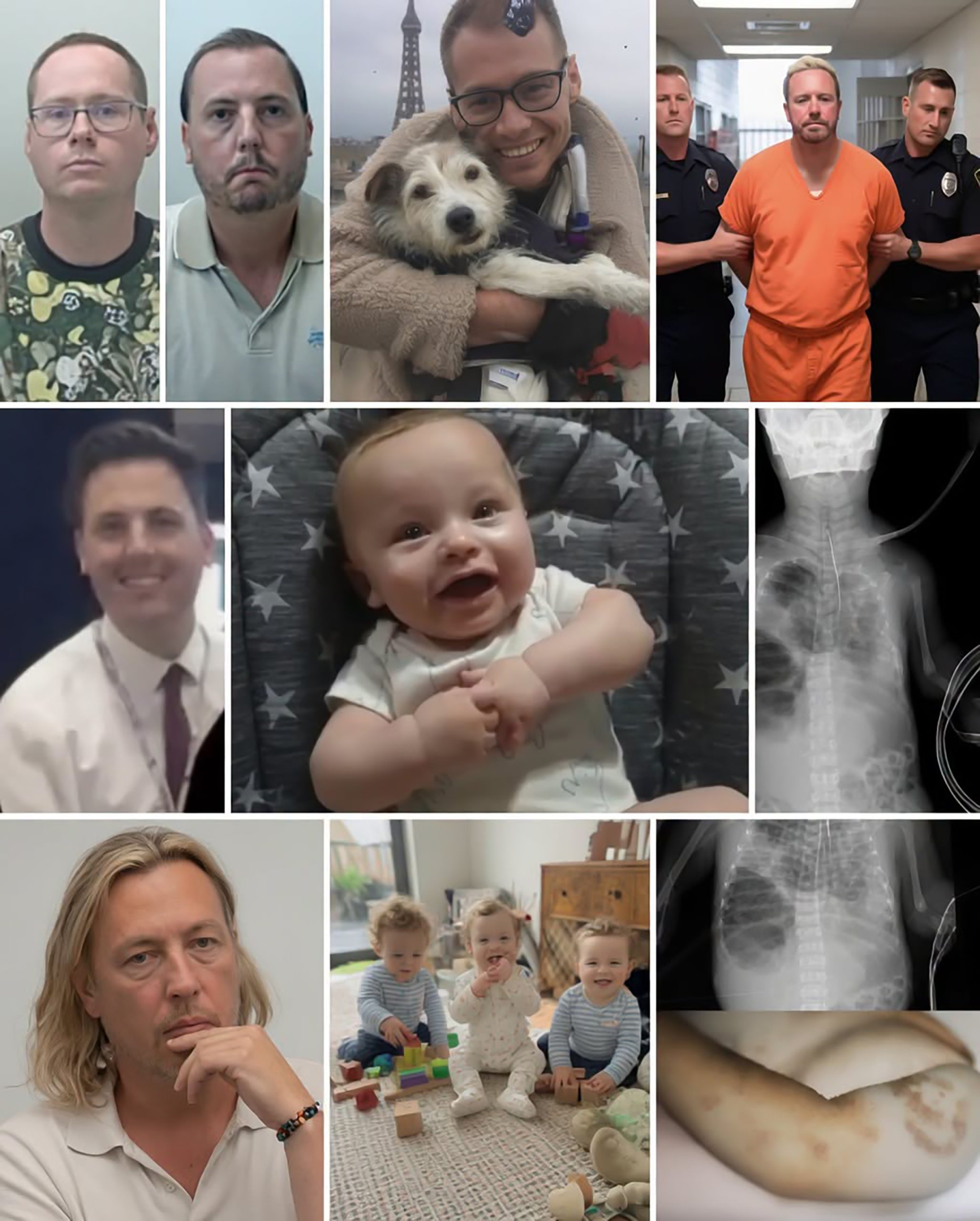
Jamie Varley, a 37-year-old former teacher, has been sentenced to a whole-life order for murdering Preston, the baby he had been in the process of adopting with his partner, John McGowan-Fazakerley.
The sentence means Varley will spend the rest of his life in prison and will never become eligible for parole. McGowan-Fazakerley, 32, was sentenced to 25 years in prison after being convicted of allowing Preston’s death, child cruelty and sexual assault.
But behind the sentences lies a disturbing story of repeated abuse, missed warning signs and a child who had already come to the attention of medical and safeguarding professionals before his death.
Preston was born prematurely in June 2022. Just five days after his birth, he was placed into emergency foster care under an order involving Oldham Council.
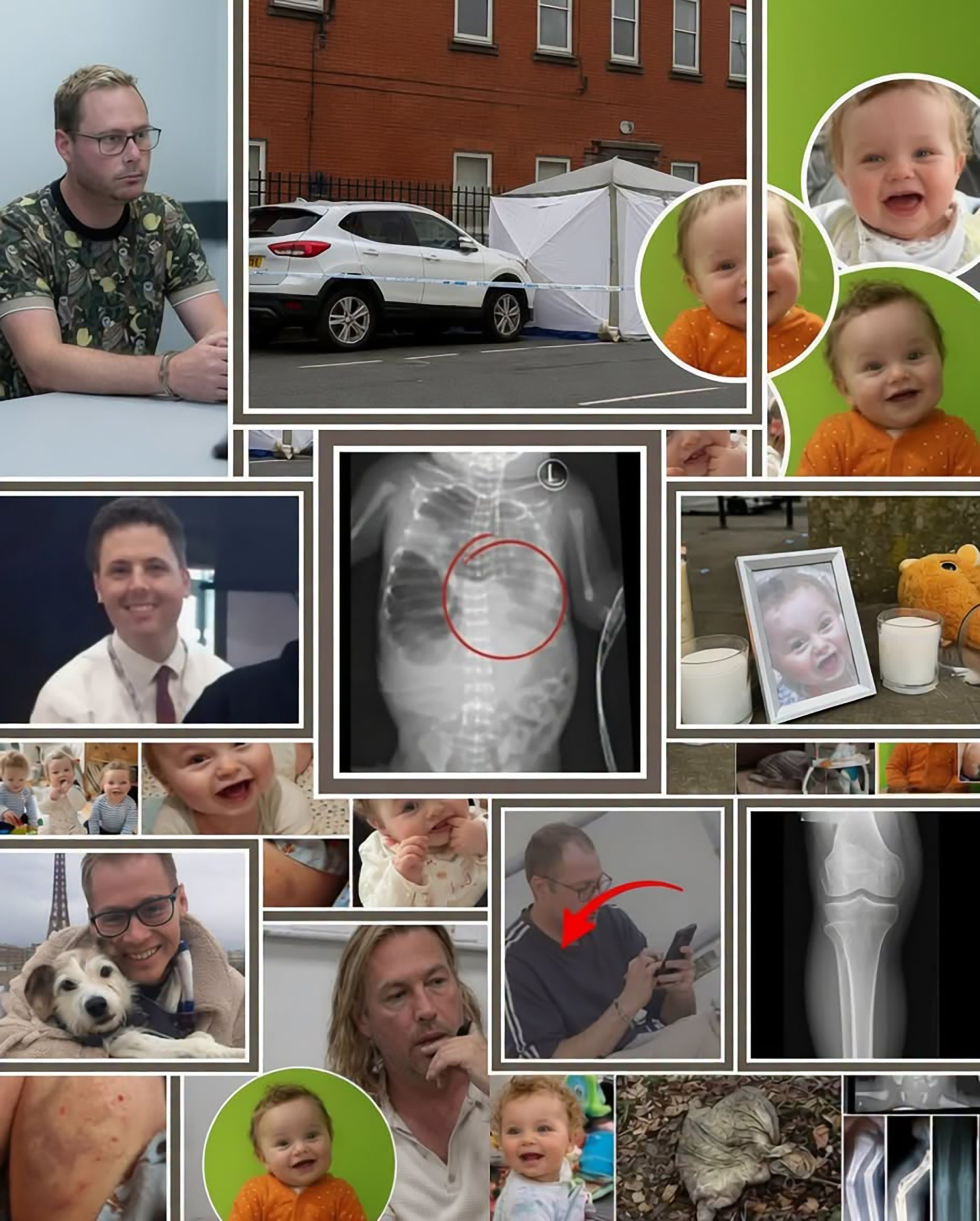
At nine months old, he was placed with Varley and McGowan-Fazakerley, who were approved as prospective adopters.
The arrangement lasted only a few months.
During that period, Preston was repeatedly taken to hospital with injuries and illnesses.
In May 2023, medical staff noticed bruising to his head after he was brought to hospital unresponsive. A medical report described injuries as unexplained and inconsistent with the account provided.
In June, he was taken to hospital again. In July, he suffered a fractured elbow.
Despite these incidents, Preston remained in the couple’s care.
Then came July 27, 2023.
Varley claimed he discovered Preston submerged in a bath. The child was taken to Blackpool Victoria Hospital, where medical teams attempted to resuscitate him for around 50 minutes.
He could not be saved.
The subsequent post-mortem examination dramatically contradicted the initial drowning account. The medical cause of death was identified as acute upper airway obstruction, and investigators found around 40 external and internal injuries. Evidence presented at trial also established sexual abuse.
Prosecutors argued that Preston had been subjected to sustained physical and sexual abuse during the months he lived with the couple.
Varley was ultimately convicted of murder, sexual offences, child cruelty and offences involving indecent images of a child. McGowan-Fazakerley was convicted of allowing the child’s death, child cruelty and sexual assault.
But now another investigation is gathering momentum.
In July 2026, Blackpool’s Senior Coroner Alan Wilson said there was a strong likelihood that an inquest into Preston’s death would resume.
The coroner said there were acts and omissions by public authorities that needed to be examined in a public hearing in which Preston’s family could participate. The potential inquest could be wide-ranging and may examine the roles of multiple organisations involved in Preston’s care and safeguarding.
An existing safeguarding review by the Oldham Safeguarding Children Partnership has also resumed following the conclusion of the criminal trial. That review is expected to examine how Preston’s welfare was handled before his death.
The question is painful but unavoidable:
Could Preston’s death have been prevented?
That is not something the criminal trial alone can answer.
The upcoming safeguarding review and potential inquest may examine whether warning signs were missed, whether information was properly shared between agencies and whether professionals responded appropriately to the injuries and concerns that emerged during Preston’s short life.
For his family, the whole-life sentence provides one form of justice.
But no sentence can restore the life of a child who should have been protected.
And as the legal scrutiny moves beyond the two convicted men and toward the systems that surrounded Preston, the tragedy of Baby Preston Davey may become a powerful examination of whether the institutions designed to protect vulnerable children did enough when he needed them most.