The “Gentleman’s Agreement” Behind Karmelo Anthony’s Trial Is Now at the Center of His Fight for a Second Chance in Court
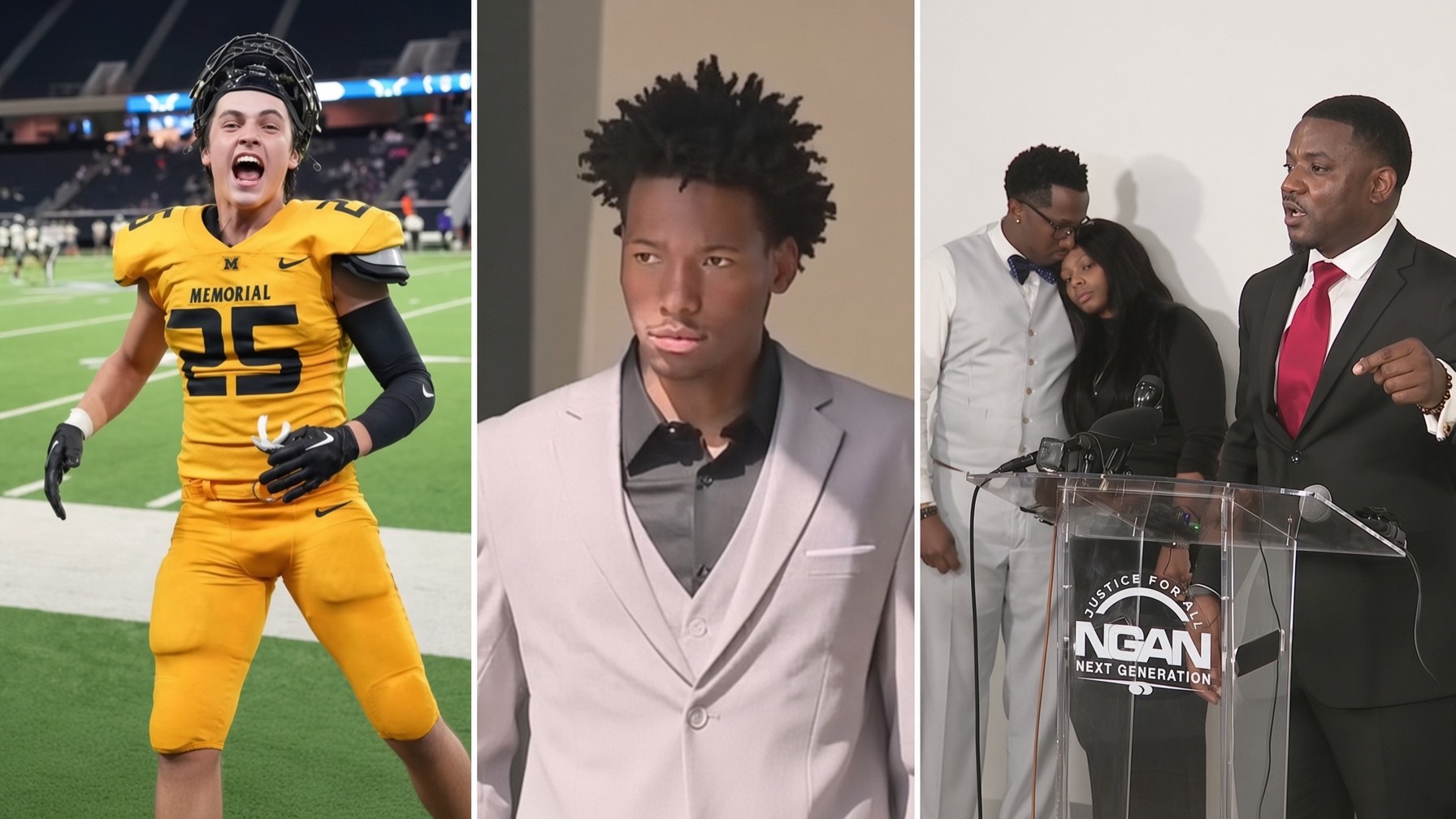
Two months after Karmelo Anthony was convicted of murder and sentenced to 35 years in prison for the fatal stabbing of Austin Metcalf, newly scrutinized court filings are shifting attention away from what happened beneath a high school track-meet tent — and toward what happened between attorneys before the trial ever began.
At the center of the dispute is what Anthony’s former defense team described as a “gentleman’s agreement.”
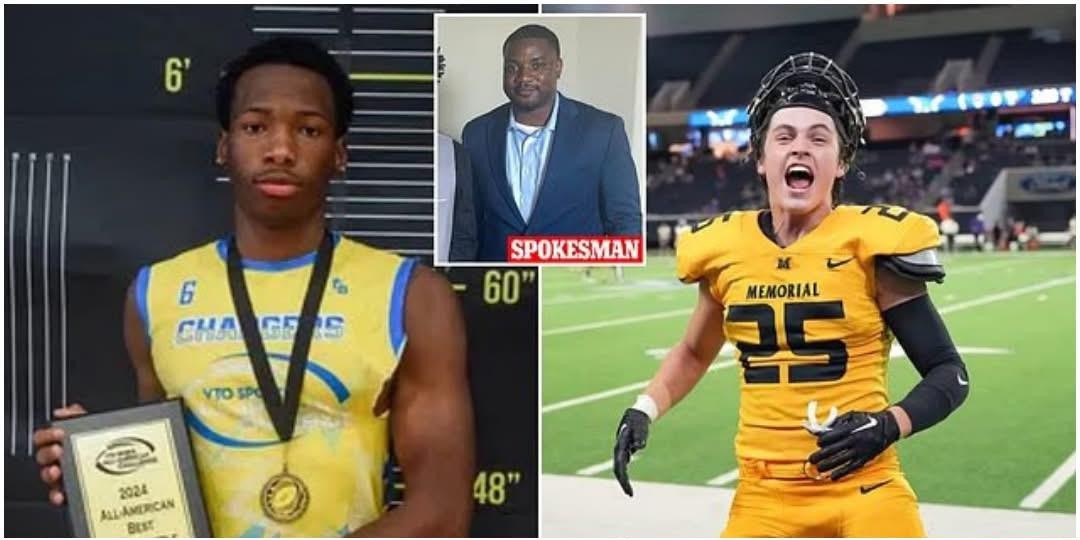
It was an informal understanding between prosecutors and defense attorneys intended to keep potentially prejudicial information about both Anthony and Metcalf away from the jury.
The idea, according to court filings cited in recent reports, was straightforward:
Keep the trial focused on what happened “under the tent.”
But Anthony’s new attorneys now argue that what happened to that agreement ultimately affected some of the most important strategic decisions made during his trial — including whether Anthony himself would testify.
An Agreement Designed to Narrow the Case
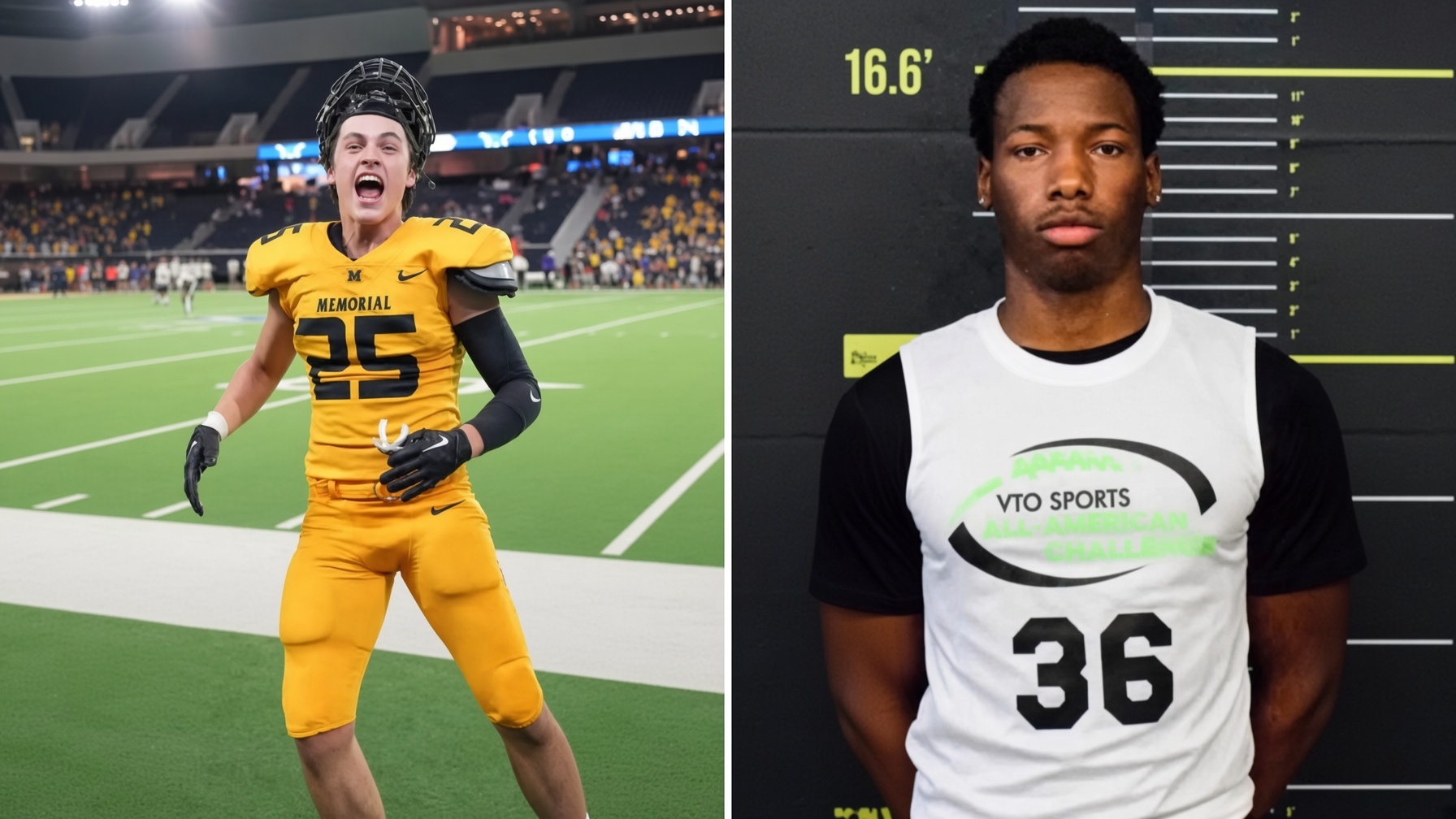
Anthony and Metcalf were both 17 when they encountered each other during a rain-delayed track meet at Kuykendall Stadium in Frisco, Texas, on April 2, 2025.
Anthony, a Centennial High School student, was sitting beneath a Memorial High School team tent when Metcalf confronted him about being there.
The encounter escalated rapidly.
Anthony stabbed Metcalf once in the chest with a pocketknife.
Anthony never denied using the knife. His defense was that he acted in self-defense.
When the case eventually reached trial in June 2026, attorneys on both sides had potentially damaging information available that went far beyond those few moments beneath the tent.
According to court documents, the informal pretrial agreement was intended to keep much of that information out.
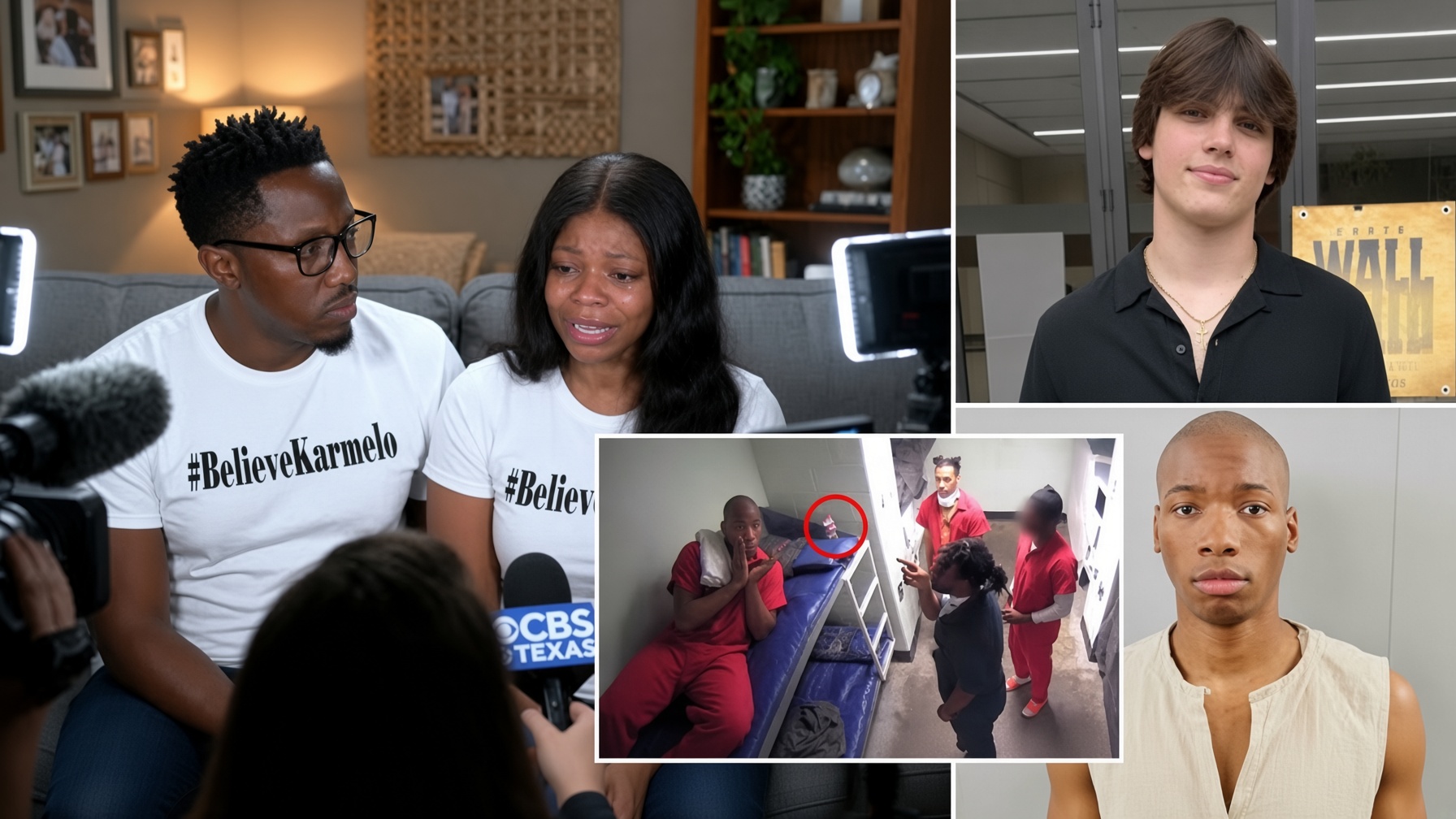
Anthony’s defense agreed not to introduce certain character or reputation evidence concerning Austin Metcalf and his twin brother, including alleged incidents involving violence, bullying or racism.
In exchange, prosecutors reportedly agreed not to introduce certain information about Anthony, including his school disciplinary history and cellphone records.
The defense also refrained from presenting substantial evidence about domestic violence Anthony allegedly witnessed or experienced while growing up.
The result was supposed to be a more narrowly focused trial.
Instead of turning the proceeding into a broader examination of the teenagers’ backgrounds, jurors would primarily decide what happened during their confrontation and whether Anthony’s use of force was legally justified.
Then the Defense Says Something Changed
Anthony’s new legal team says problems emerged as the trial progressed.
According to an affidavit from his former lead attorney, Mike Howard, the defense came to believe prosecutors were no longer honoring the understanding in the way attorneys originally expected.
That created a major strategic dilemma.
If Anthony took the witness stand, the defense feared prosecutors could use information that attorneys had previously believed would remain outside the case.
The potential consequences were significant.
Anthony was the person at the center of the confrontation.
He was also the person claiming self-defense.
His testimony could have allowed jurors to hear directly what he says he saw, feared and believed in the seconds before he pulled the knife.
But testifying would also expose him to cross-examination.
Howard ultimately decided not to put Anthony on the stand.
The new defense team now argues that the breakdown of the informal agreement played a role in that decision and prevented Anthony from presenting his self-defense case as fully as originally intended.
Prosecutors Dispute the Defense’s Characterization
The existence of the dispute does not establish prosecutorial misconduct.
Collin County prosecutors have defended their conduct during the case.
First Assistant District Attorney Bill Wirskye said the prosecution team conducted the trial ethically and complied with the court’s rulings and agreements with defense counsel.
That disagreement is now one of several issues Anthony’s new attorneys want examined during post-trial proceedings.
The defense is not simply arguing that jurors reached the wrong verdict.
Instead, its motion raises questions about whether the process leading to that verdict complied with Anthony’s constitutional rights.
Anthony’s New Lawyers Are Challenging More Than the Agreement
The “gentleman’s agreement” is only one part of the effort to secure another trial.
Anthony’s attorneys have also challenged restrictions on public access to the courtroom.
Only a limited number of seats were available to members of the public, and cameras were not permitted during the proceedings.
The defense argues those restrictions effectively deprived Anthony of his constitutional right to a public trial.
They have also raised issues involving the jury instructions and the way jurors were asked to evaluate Anthony’s claim of self-defense.
And before those arguments are fully considered, the defense wants a different judge.
Why Judge John Roach Is Also Being Challenged
Anthony’s attorneys have asked for State District Judge John Roach Jr., who presided over the murder trial, to be removed from the post-trial proceedings.
Their request focuses partly on comments Roach made publicly after Anthony was convicted.
Roach defended his decision to exclude cameras from the courtroom and discussed the jury’s verdict in media interviews.
Anthony’s attorneys argue those comments create questions about whether the judge can impartially evaluate a motion claiming that aspects of the very trial he oversaw were unfair.
Roach has defended his handling of the proceedings, saying his priority was protecting the fairness of the trial for both sides.
A different judge, Senior Judge Sid Harle, has been assigned to hear the recusal request.
That hearing is scheduled for August 19.
Anthony’s motion for a new trial is scheduled to be addressed the following day, August 20.
None of This Means Anthony Has Been Granted Another Trial
That distinction is especially important as the new filings attract attention online.
Anthony’s conviction has not been overturned.
He has not been granted a new trial.
And the new court documents do not establish that prosecutors violated the law.
They contain arguments that Anthony’s attorneys will have to establish in court.
The prosecution will have the opportunity to dispute those arguments.
Anthony remains convicted of murder and continues serving his 35-year prison sentence.
Obtaining a new trial requires more than showing that attorneys made difficult strategic decisions or that disagreements occurred during the original proceedings.
The defense must persuade the court that errors occurred that were sufficiently serious to justify disturbing the jury’s verdict.
The Clock Is Also Running
The upcoming hearings carry additional importance because Texas law imposes a deadline on the post-trial process.
The court generally has 75 days after sentencing to rule on a motion for a new trial.
For Anthony, that places the critical deadline on August 24.
If the court does not grant the motion within the required period, it is denied by operation of law.
That makes the coming days potentially some of the most consequential since Anthony was sentenced.
On August 19, another judge is expected to decide whether Roach should remain involved.
On August 20, attention turns toward Anthony’s request for another trial.
And by August 24, the immediate post-trial question must be resolved.
A Verdict — and Now a Fight Over the Process Behind It
The jury has already answered the central question presented during Anthony’s trial.
It rejected his self-defense argument, convicted him of murder and later sentenced him to 35 years.
Anthony’s new attorneys are now asking a different question.
Was the jury allowed to hear the case through a process that fully protected his constitutional rights?
The newly revealed details surrounding the “gentleman’s agreement” make that question more complicated.
An arrangement originally intended to simplify the trial may now become one of the issues used to challenge its outcome.
And perhaps the most consequential question arising from that arrangement is also the most personal:
Would the trial have unfolded differently if Karmelo Anthony had taken the witness stand and told the jury, in his own words, why he believed he was acting in self-defense?
The jury never heard that testimony.
Now, his attorneys are trying to convince the court that the circumstances behind that decision deserve another look.
Main Sources: New York Post, NBC DFW, The Dallas Morning News, CBS News Texas, WFAA