HOW COULD EVERYONE MISS THE SIGNS? THE UNANSWERED QUESTIONS BEHIND BABY PRESTON DAVEY’S DEATH
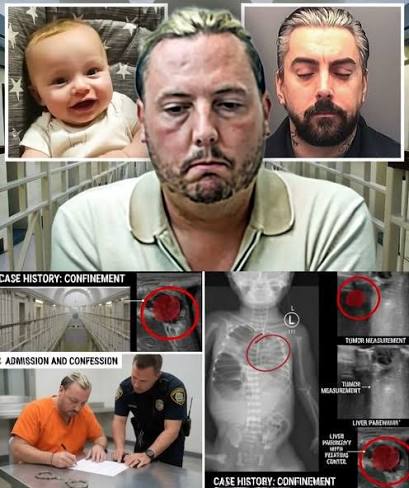
When 13-month-old Preston Davey died in July 2023, the tragedy initially appeared to be a devastating case of a young child suddenly losing his life while in the care of the people who were supposed to protect him. More than three years later, however, the full picture revealed in court has transformed the case into something much larger: not only a murder investigation, but a profound examination of how a vulnerable child could come into contact with medical professionals, social workers and other safeguarding services and still remain in danger. Jamie Varley, Preston’s adoptive father, was convicted of murder and multiple sexual and physical abuse offences and received a whole-life order, while his partner, John McGowan-Fazakerley, was convicted of allowing a child’s death and related offences and sentenced to 25 years in prison.
The convictions answered the most immediate question of who was responsible for the abuse, but they did not answer the question that has continued to trouble Preston’s biological family, foster carers and child-protection specialists: how was he not protected sooner?
Preston had been placed into emergency foster care when he was only five days old. His foster carers, Sandra and Paul Cooper, cared for him for approximately nine months, and court reporting described him as a happy and well-loved baby during that period. He was later placed with Varley and McGowan-Fazakerley while the couple were in the process of adopting him. The transition happened in 2023, and only around four months later Preston was dead.
That short period has become central to the safeguarding questions now facing authorities.
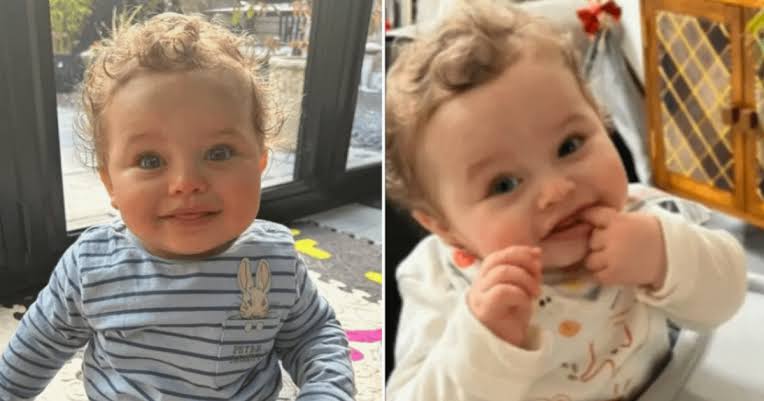
The court heard that Preston suffered extensive injuries during his time with the couple. Forensic evidence identified more than 40 injuries, while prosecutors presented evidence of physical and sexual abuse. Varley had attempted to explain Preston’s final medical emergency as an accident involving a bath, but the prosecution case was that this explanation did not fit the medical evidence. Preston ultimately died after suffering acute obstruction of his upper airways.
What makes the case particularly disturbing is that Preston had not been completely invisible to the system before his death. He had contact with healthcare professionals and safeguarding services, including several hospital visits. Reports surrounding the case have raised questions about injuries that were observed during those contacts and whether the information from different professionals was sufficiently connected and acted upon.
That is why the investigation now extends beyond the two men already behind bars.
Oldham Council confirmed that an independent Child Safeguarding Practice Review was underway following Preston’s death. The national Child Safeguarding Practice Review Panel is also working with the local review, with the purpose of examining what happened, what agencies knew and what lessons can be learned.
The significance of that review is difficult to overstate. A safeguarding review is not simply another attempt to retell the criminal trial. The criminal proceedings were designed to determine whether the defendants committed specific offences. The safeguarding review has a different purpose: to reconstruct the chain of professional decisions surrounding Preston and determine whether warning signs were missed, information was not shared, or opportunities to intervene were lost.
That distinction matters because a child can be failed by a system even when no individual professional intended harm. A doctor may see one injury. A social worker may receive one piece of information. Another professional may see a different concern. If those pieces never come together, the overall picture can remain hidden.
The case has therefore raised a painful question about professional curiosity: when something does not appear right, how far should professionals go in testing the explanation they have been given?
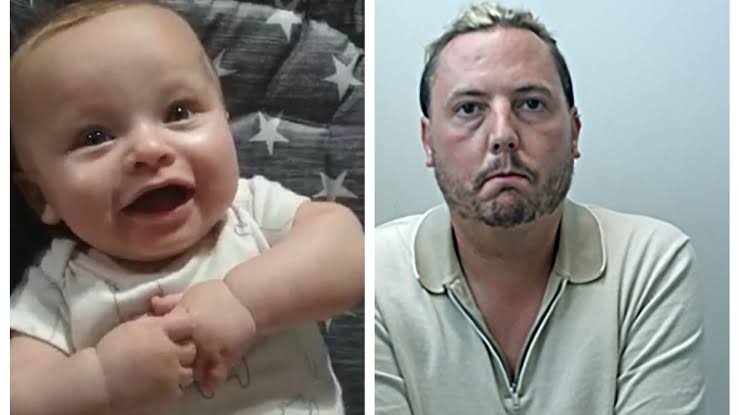
Preston’s death demonstrates why that question matters. The people caring for him were able to present themselves as suitable prospective adoptive parents, while prosecutors later argued that horrific abuse was taking place behind closed doors. The contrast between the public image of the household and the evidence eventually uncovered by investigators has become one of the most disturbing aspects of the case.
There is also now a further legal avenue for examining what happened. In July 2026, a coroner indicated that it was highly likely an inquest would be held into Preston’s death. Such an inquest could provide another opportunity to examine the circumstances surrounding his death and the wider involvement of public authorities.
For Preston’s family, however, no review can change the central fact: the child they loved is gone.
What these investigations can potentially do is answer whether his death could have been prevented. That question remains unresolved. The convictions established criminal responsibility, but the wider safeguarding process is still examining whether there were earlier moments when someone could have recognized the danger and intervened.
Until those questions are answered, the story of Preston Davey cannot simply be described as a murder case that ended with two men receiving long prison sentences. It remains a case about a child who was visible to multiple parts of the system, yet somehow remained vulnerable until it was too late.
And that may ultimately become Preston’s most important legacy: forcing authorities to examine not only what happened to him, but why the warning signs did not lead to protection.