Behind Every Smile: Understanding Retinoblastoma in Children
Behind every child’s smile can be a story of courage, resilience and hope.
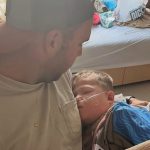
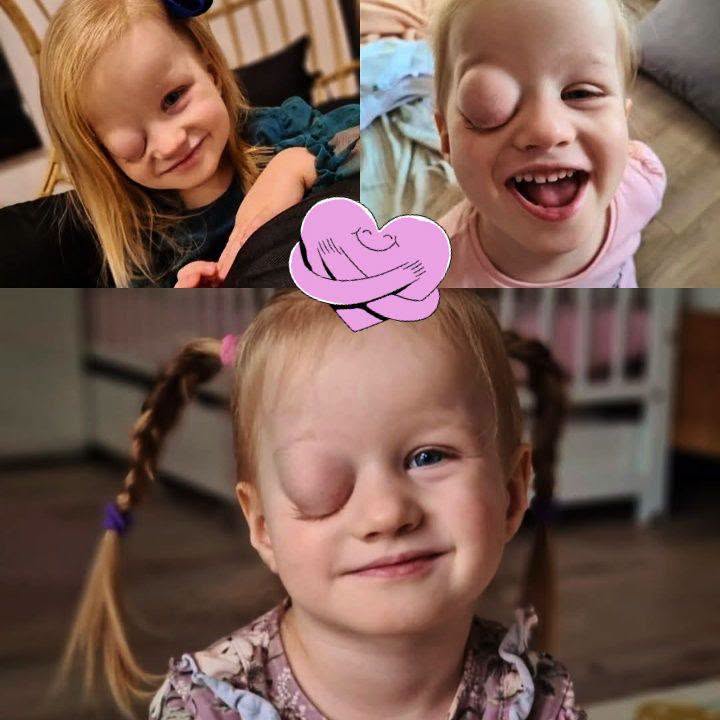
The photographs accompanying this story show a young child with a noticeable difference around one eye. While an image alone cannot establish a diagnosis, the story offers an opportunity to raise awareness of retinoblastoma, a rare but serious childhood cancer that develops in the retina—the light-sensitive tissue at the back of the eye.
Retinoblastoma most often affects very young children. The National Cancer Institute notes that it usually occurs in children younger than 5, with most cases diagnosed before the age of 2. It can affect one eye or both eyes and may occur in either an inherited or non-inherited form.
A Rare Cancer of the Eye
Retinoblastoma develops when malignant cells form in the retina. Although it is rare, it is the most common malignant eye tumor in children.
The disease can be particularly difficult for parents to recognize because young children may not be able to explain that their vision has changed or that something is wrong with their eye.
That is why recognizing subtle warning signs can be so important.
The “White Eye” Sign
One of the best-known signs of retinoblastoma is leukocoria, sometimes described as a “white pupil” or “white-eye” reflection.
Normally, a flash photograph can produce a reddish reflection from the retina. In a child with retinoblastoma, the pupil may instead appear white because light is reflecting from the tumor. Parents may notice this unusual reflection in photographs before any other obvious symptoms appear.
However, a white pupil does not automatically mean a child has cancer. Several other eye conditions can cause leukocoria. Nevertheless, an unusual white reflection should always be evaluated promptly by an eye specialist.
Other Warning Signs
Retinoblastoma can present in several ways.
Possible signs include:
- A white reflection in the pupil, particularly in photographs
- Eyes that appear misaligned or crossed
- Redness or pain in the eye
- Changes in vision
- A cloudy appearance of the pupil or colored part of the eye
- An enlarged or protruding eye in more advanced cases
Strabismus, commonly known as crossed eyes, is another important presenting sign. According to the NCI, it is the second most common presenting sign of retinoblastoma.
These symptoms can also occur with conditions that are not cancer. That is why parents should not attempt to diagnose retinoblastoma from photographs or symptoms alone.
Why Early Detection Matters
Early diagnosis can make a significant difference in treatment.
Doctors use detailed eye examinations to look directly at the retina. In young children, a comprehensive examination may need to be performed under anesthesia. Ultrasound and MRI can also be used to evaluate the eye and determine the extent of disease.
Treatment depends on factors such as the size and location of the tumor, whether one or both eyes are affected, and whether the cancer has spread.
Depending on the circumstances, treatment may include chemotherapy, laser therapy, cryotherapy, intra-arterial or intravitreal chemotherapy, or surgery to remove the affected eye when necessary. One of the major goals of modern treatment is to save the child’s life first, while also preserving the eye and vision whenever safely possible.
More Than a Diagnosis
For a child and family facing retinoblastoma, treatment is not simply a medical journey.
It can involve repeated examinations, procedures, hospital visits and difficult decisions. Children may also have to adapt to changes in vision or appearance, while parents face the emotional weight of seeing their child undergo cancer treatment at such a young age.
Yet photographs like these can show another side of the journey.
A child can still smile.
A child can still play.
A child can still laugh, grow and experience the ordinary joys of childhood.
The condition may change part of a child’s life, but it does not define the whole person.
A Message for Parents
Retinoblastoma is rare, but awareness of its warning signs can help families seek medical attention sooner.
If you notice a persistent white reflection in your child’s pupil, an unusual appearance in photographs, crossed eyes, unexplained eye redness or swelling, or changes in vision, speak with your child’s pediatrician or an ophthalmologist promptly.
Do not wait for the symptom to disappear if something about your child’s eye looks unusual.
Early evaluation does not mean that a child has cancer. It simply means giving a potentially serious problem the attention it deserves.
Behind every medical diagnosis is a child—not a condition.
And behind every child facing a difficult diagnosis is a family hoping for the chance to see that smile for many years to come.
Sources
- National Cancer Institute (NCI) — Retinoblastoma Treatment (PDQ®): information on the disease, age of presentation, symptoms, diagnosis, hereditary forms and treatment.
- National Cancer Institute — Retinoblastoma, Health Professional Version: clinical information on presentation, leukocoria, strabismus, diagnosis and staging.
- National Cancer Institute — Retinoblastoma: overview of this rare childhood cancer and hereditary versus nonhereditary forms.
- American Academy of Ophthalmology / EyeWiki — Retinoblastoma: clinical overview, warning signs and the importance of prompt ophthalmologic evaluation.
- St. Jude Children’s Research Hospital — What Is Retinoblastoma?: explanation of leukocoria, white-eye reflection in photographs and strabismus as warning signs.