Public Health and the Environment: What the Evidence Really Shows About Birth Defects in China
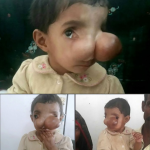
China has made significant progress in maternal and child health, yet birth defects remain an important public-health concern. Researchers have also increasingly investigated whether environmental exposures—including air pollution and heavy metals—may contribute to the risk of congenital abnormalities.
A viral claim circulating online suggests that China is experiencing “one birth defect every 30 seconds.” While this figure has appeared in older reports and social-media posts, it should not be presented as a current official statistic without qualification. Recent Chinese government data instead show an extensive national system for monitoring and preventing birth defects, while scientific studies continue to examine the environmental factors that may influence risk.
Birth Defects Remain a Major Health Challenge
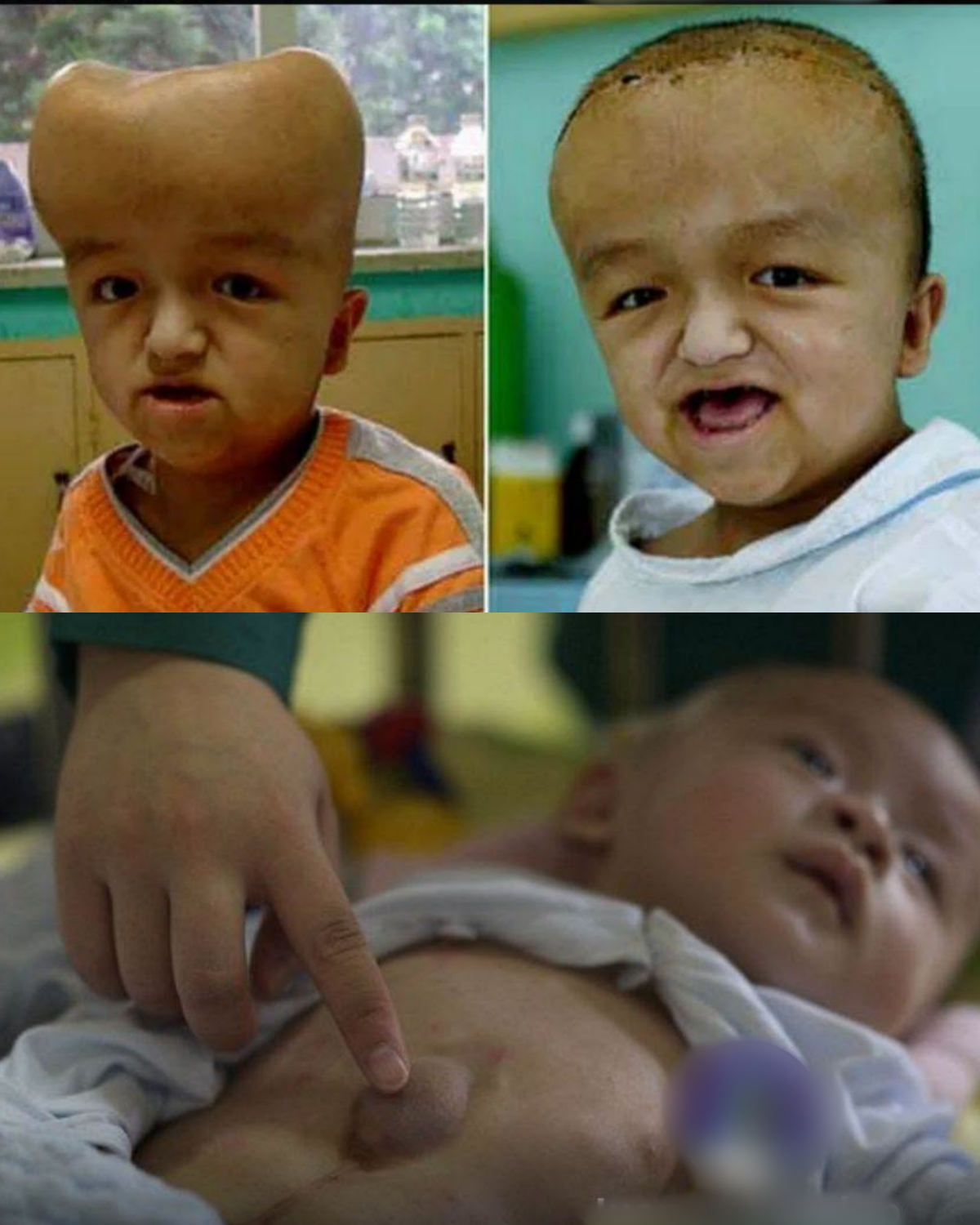
Birth defects are structural or functional abnormalities that develop during pregnancy and may be detected before birth, at birth or later in childhood. They can involve the heart, brain, limbs, face, digestive system and other organs.
A 2024 systematic review and meta-analysis examining data from mainland China between 2000 and 2021 analyzed 254 studies covering more than 74 million perinatal births and nearly one million reported cases of birth defects. The pooled prevalence was approximately 122.5 cases per 10,000 perinatal births. The researchers also found substantial geographical differences across China.
Congenital heart defects were among the most frequently reported conditions, followed by cleft lip and/or palate, polydactyly, neural tube defects and certain inherited metabolic disorders.
Importantly, the study reported that the measured prevalence increased over the study period. However, this does not by itself prove that environmental pollution caused the increase. Changes in screening, diagnosis, reporting and surveillance can also affect recorded prevalence.
Air Pollution and Pregnancy
China’s rapid industrialization and urbanization have made air pollution an important subject of environmental-health research. Scientists have examined pollutants such as fine particulate matter (PM2.5), PM10, sulfur dioxide (SO₂) and nitrogen dioxide (NO₂).
Several studies conducted in Chinese populations have reported associations between maternal exposure to air pollution and certain birth defects.
For example, a population-based cohort study in Yinchuan involving 39,386 singleton births found that higher PM2.5 exposure throughout pregnancy was associated with an increased risk of congenital anomalies. The association was particularly notable for congenital heart abnormalities.
Another large study involving more than 1.4 million births found that every 10 μg/m³ increase in maternal PM2.5 exposure was associated with approximately a 2% increase in the odds of congenital heart defects, with stronger associations observed around the period before conception.
Research from Xi’an similarly found associations between exposure to NO₂ and PM10 during early pregnancy and several categories of birth defects.
These findings are concerning because the first weeks of pregnancy are a critical period of embryonic development. Nevertheless, epidemiological associations should be interpreted carefully: they indicate increased risk at the population level and do not mean that air pollution is the sole or direct cause of an individual child’s condition.
What About Heavy Metals?
Industrial pollution can also involve metals such as lead, mercury, arsenic and cadmium. Researchers have investigated whether maternal exposure to these substances may affect fetal development.
A study involving mothers in eight hospitals in China examined prenatal exposure to arsenic, cadmium, mercury, lead and manganese in relation to severe congenital heart defects.
A separate systematic review and meta-analysis also examined the relationship between maternal heavy-metal exposure and congenital heart defects. The authors concluded that heavy metals may represent potential risk factors, while emphasizing that the evidence remains complex and that further research is needed.
Research has also investigated mercury exposure and neural tube defects. One Chinese study found higher concentrations of methylmercury in placental samples from pregnancies affected by anencephaly or spina bifida than in controls.
These findings reinforce the importance of reducing unnecessary exposure to environmental contaminants, particularly during pregnancy and the period before conception.
China Is Expanding Birth-Defect Prevention
Despite the concerns surrounding environmental exposure, the overall picture is more nuanced than the viral claim suggests.
China’s National Health Commission launched a national Birth Defect Prevention and Control Capacity Improvement Plan for 2023–2027. The program covers prevention and screening before marriage and pregnancy, prenatal care, newborn screening and childhood health services.
Official statistics indicate that these services have expanded considerably. In 2024, the target-population coverage rate for pre-pregnancy health examinations reached 93.2%, while prenatal examination and prenatal screening rates reached 98.3% and 93.5%, respectively. Newborn follow-up reached 97.7%.
The same official report shows that China’s neonatal mortality rate continued to decline, reaching 2.5 deaths per 1,000 live births in 2024.
These figures demonstrate that China is investing substantially in early detection, prevention and treatment—even as researchers continue to investigate environmental contributors to congenital conditions.
A More Accurate Public-Health Message
The evidence supports concern about environmental pollution and pregnancy, but it does not support reducing the complex problem of birth defects to a single cause.
Genetic factors, maternal health, nutrition, infections, medications, age, environmental exposures and other factors can all contribute to congenital abnormalities. In many individual cases, the exact cause remains unknown.
What is clear is that protecting pregnant women and developing fetuses from avoidable environmental hazards is an important public-health priority. Cleaner air, safer water, effective industrial controls, occupational protection, appropriate prenatal care and comprehensive screening can all contribute to healthier pregnancies.
The most responsible conclusion is therefore not that pollution is causing every birth defect in China, nor that a specific number of babies are born with defects every 30 seconds. Rather, scientific evidence indicates that some forms of environmental exposure—particularly air pollution and certain heavy metals—may increase the risk of specific congenital abnormalities, and reducing those exposures is a meaningful part of protecting maternal and child health.
Sources
- National Bureau of Statistics of China — Statistical Monitoring Report of the Outline for Children’s Development (2021–2030)