Solidarity and Hope: Family Seeks Help for Five-Year-Old Boy’s Life-Changing Facial Surgery
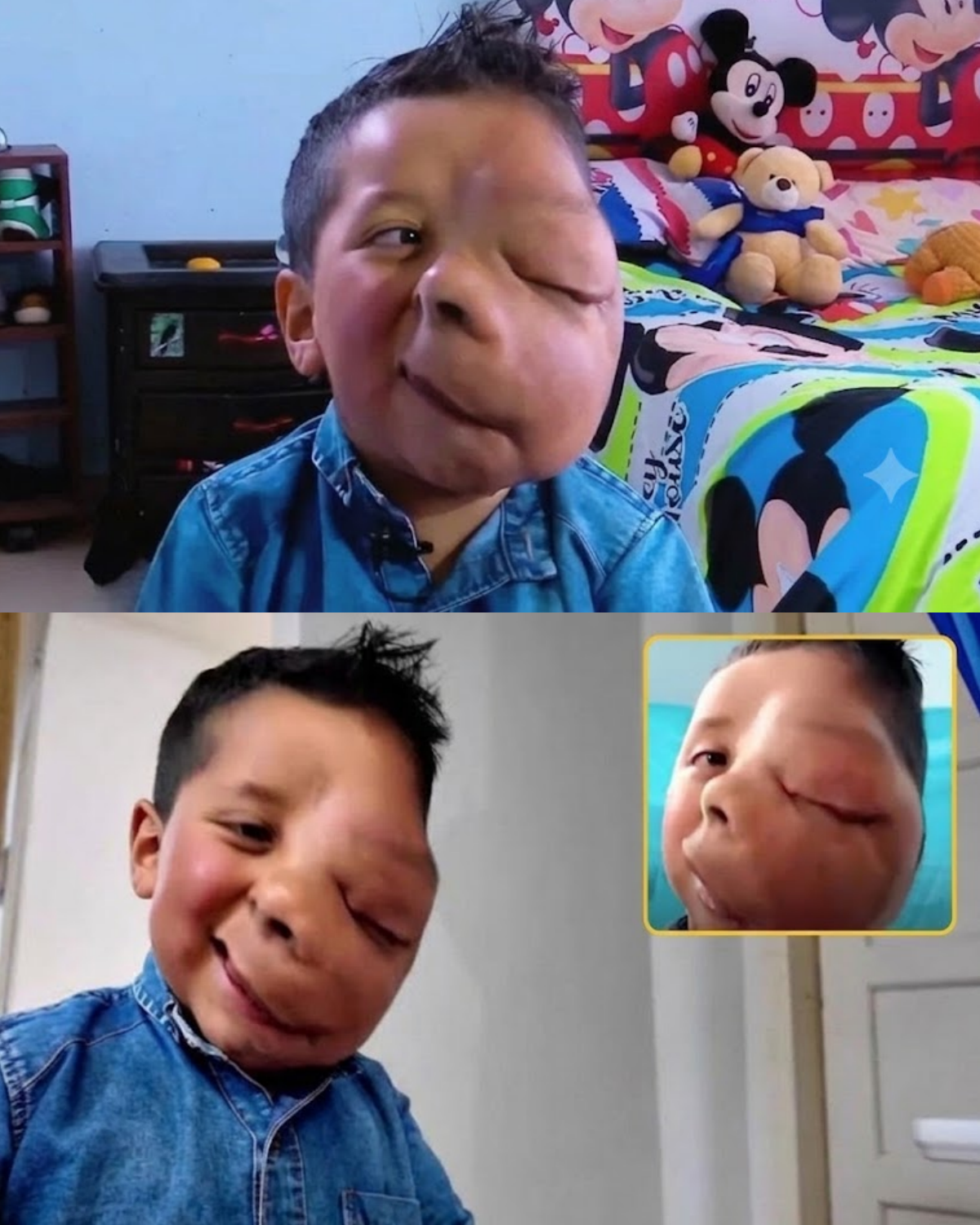
In Colombia, a five-year-old boy named Andrés Felipe and his family are facing an extraordinary medical challenge. The child has neurofibromatosis type 1 (NF1), also known as von Recklinghausen disease, a genetic disorder that can cause tumors to develop along nerves and in different parts of the body.
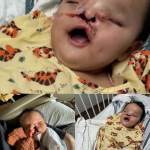
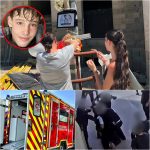
In Andrés Felipe’s case, the condition has severely affected his face. According to a report by Univision’s Primer Impacto, a tumor began spreading across his face when he was only two months old, dramatically affecting both his appearance and his health. His family is now seeking financial assistance so that he can travel from Colombia to the United States for specialized reconstructive surgery.
A Rare Condition With Complex Effects
Neurofibromatosis type 1 is a multisystem genetic disorder caused by changes in the NF1 gene. The condition can produce café-au-lait spots, freckles, neurofibromas and, in some patients, larger tumors known as plexiform neurofibromas. These tumors can grow along networks of nerves and may affect surrounding tissues and organs.
Plexiform neurofibromas are particularly challenging when they develop in the head and face. Tumors involving the eye socket, eyelids and surrounding facial structures can sometimes interfere with vision and cause significant changes in facial appearance. Medical specialists recommend close ophthalmologic monitoring for children whose tumors involve these areas.
The condition can also create functional problems. Research involving children with NF1 and plexiform neurofibromas has documented complications involving the airway, neurological function and other structures. In some severe cases, tumors in the head and neck can interfere with breathing and require specialized surgical treatment.
The Race to Reach Specialized Care
For Andrés Felipe’s family, the challenge is not simply finding medical expertise. They must also find a way to reach it.
According to Univision, doctors in Florida have offered to perform the reconstructive operation without charging for the surgery, but the family faces the significant costs associated with traveling to the United States. His father, José Alexander Warner, works in construction, while his mother, Alba Nury Erazo, works in cleaning services.
That is why the family has turned to the community for help.
Their campaign is about much more than changing the appearance of a child’s face. They hope specialized treatment can help address the medical consequences of the tumor and give Andrés Felipe an opportunity to move forward with fewer physical limitations.
Why Facial Plexiform Neurofibromas Can Be Difficult to Treat
Removing a large plexiform neurofibroma is not always straightforward. These tumors can grow in an intricate, network-like pattern around nerves and other tissues, making complete removal difficult and potentially increasing the risk of damage to important structures. GeneReviews notes that surgery for large or diffuse plexiform neurofibromas can carry risks to involved nerves and adjacent tissues.
For children with tumors affecting the face or eye region, treatment often requires several specialists working together. Recommendations for orbital and facial plexiform neurofibromas include multidisciplinary teams involving specialists such as pediatric ophthalmologists, neuro-ophthalmologists, genetics professionals and craniofacial or oculofacial surgeons.
The goal is therefore not simply to remove as much tissue as possible. Doctors must carefully balance tumor control with the preservation of vision, breathing, nerve function and other important abilities.
A Child Beyond His Diagnosis
Despite everything he has faced, Andrés Felipe is described by those around him as a joyful, intelligent and affectionate child. His family emphasizes that behind the severe facial condition is a five-year-old boy who wants to live, learn and enjoy childhood like other children.
His story has also become a reminder that a person’s appearance should never determine how others treat them.
For his family, the hope is that the generosity of strangers and the support of the community can help bridge the enormous distance between Colombia and the specialized care he needs in the United States.
Every contribution, share or act of solidarity could bring Andrés Felipe one step closer to the treatment his family hopes will improve his health and future.
His journey is difficult, but his family’s message remains one of hope, perseverance and solidarity: they are not asking people to see only his illness. They are asking them to see the little boy behind it—and to help give him the chance to keep growing, smiling and dreaming.
Sources
- Univision / Primer Impacto, “Niño con un tumor en el rostro necesita ayuda para someterse a una cirugía reconstructiva en Estados Unidos,” published October 15, 2025.
- Univision / Primer Impacto, “Niño con enfermedad genética pide ayuda para acceder a cirugía reconstructiva.”
- GeneReviews / NCBI Bookshelf, Neurofibromatosis 1, revised April 3, 2025.
- Multidisciplinary Recommendations for Care, Orbital/Peri-Orbital Plexiform Neurofibromas in Children with Neurofibromatosis Type 1.
- PubMed, research on pediatric plexiform neurofibromas and associated airway and functional complications.