THE EVIDENCE UNDER SCRUTINY: Why Lucy Letby’s Convictions Face Renewed Questions
THE EVIDENCE UNDER SCRUTINY: Why Lucy Letby’s Convictions Face Renewed Questions
Lucy Letby’s case has returned to the spotlight as fresh expert analysis challenges parts of the evidence used to secure her convictions.
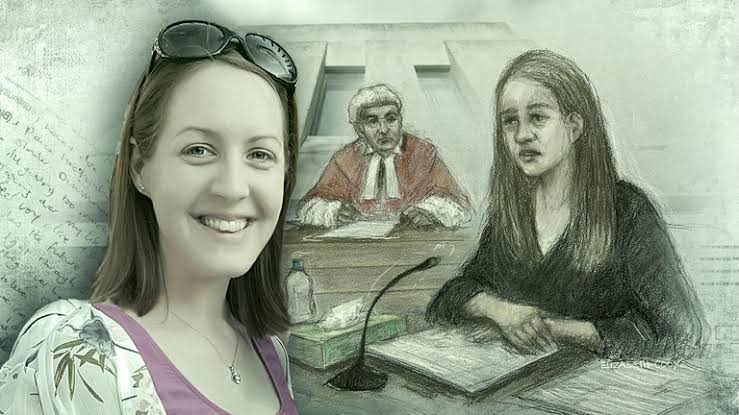
Letby remains imprisoned after being convicted of murdering seven babies and attempting to murder seven others, receiving whole-life orders. (Courts and Tribunals Judiciary)
Her convictions have already survived appeals, but her legal team has now taken a new challenge to the Criminal Cases Review Commission.
The CCRC confirmed that it is actively reviewing the case and has received extensive additional expert material.
Importantly, the Commission does not decide whether Letby is innocent or guilty.
Its role is to determine whether new evidence or arguments could create a real possibility that a conviction would not be upheld. (Criminal Cases Review Commission)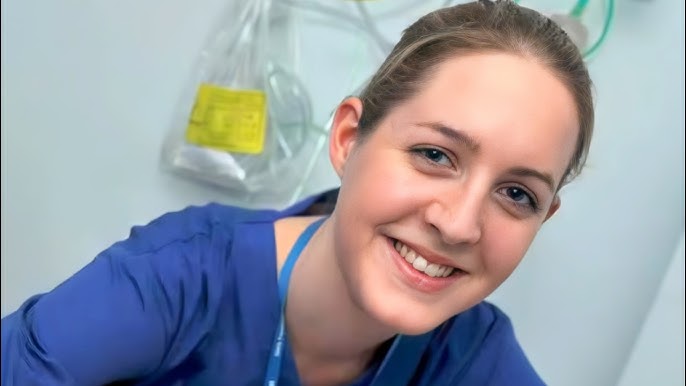
Among the issues attracting renewed attention is the medical evidence presented at trial.
An international group of experts has argued that alternative medical explanations should be considered for some of the babies’ collapses and deaths. (The Guardian)
Other commentators, including former Conservative cabinet minister David Davis, have gone further and described the case as a potential miscarriage of justice. (The Guardian)
But these criticisms have not overturned Letby’s convictions.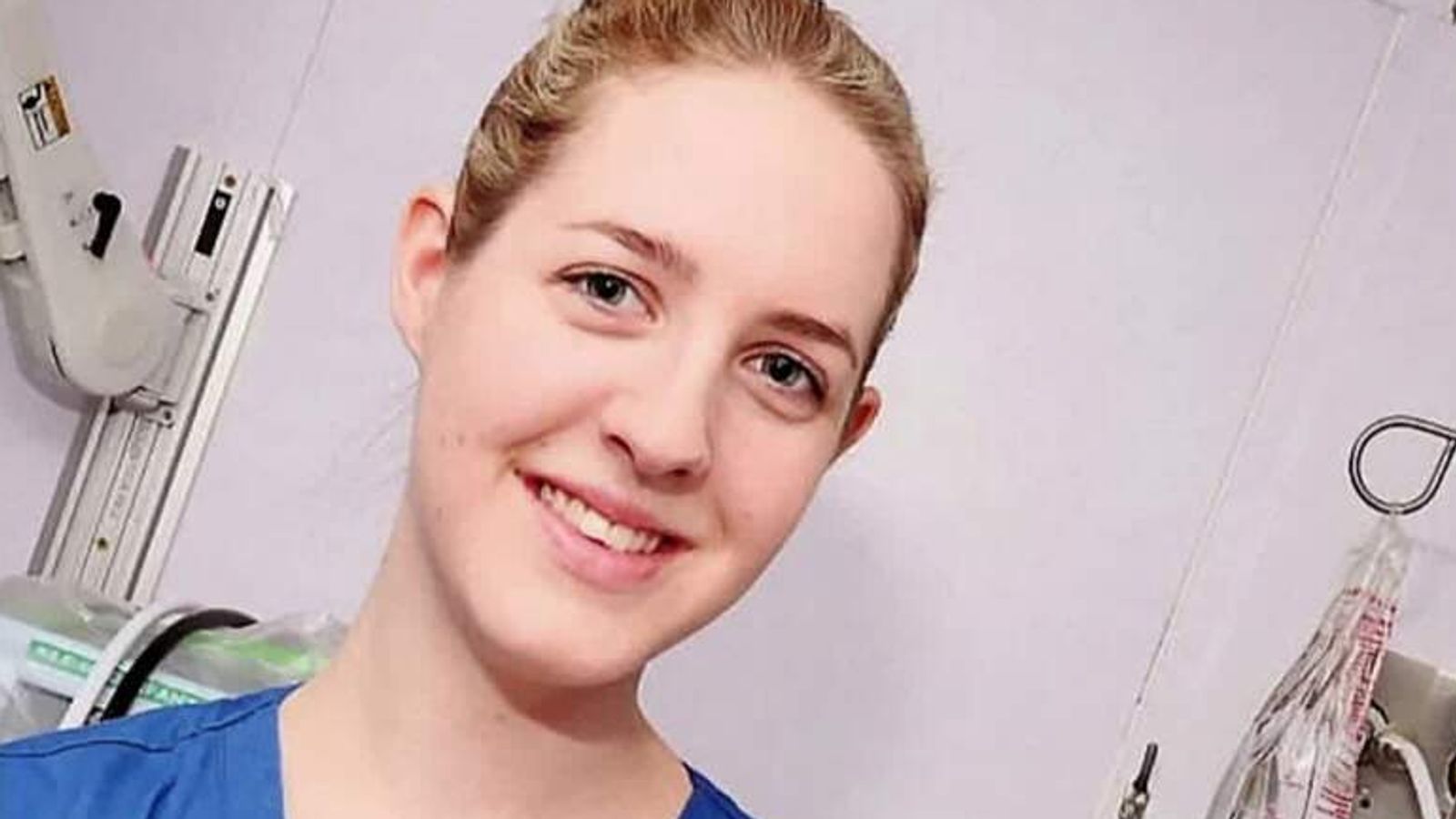
The courts have previously rejected her appeals, and the existing verdicts remain legally in force. (Hansard)
That distinction is crucial as the debate becomes increasingly heated.
The question now is whether the new material is strong enough to persuade the CCRC to refer any part of the case back to the courts.
If that happens, the evidence could face another detailed judicial examination.
If it does not, Letby’s convictions and whole-life sentences will remain in place.
For the families involved, the controversy is particularly painful because behind every argument about statistics, medicine and legal procedure are babies whose lives were lost.
The case therefore remains about more than one defendant.
It is also about how medical evidence is interpreted, how hospitals respond to unexplained deaths, and how the justice system handles complex scientific disputes.
For now, the legal battle continues—and the ultimate question is whether the new evidence can meet the exceptionally high threshold required to reopen the case.