🚨 Lindsay Clancy Trial Heads to Jury as Final Arguments Put Her Mental State at the Center
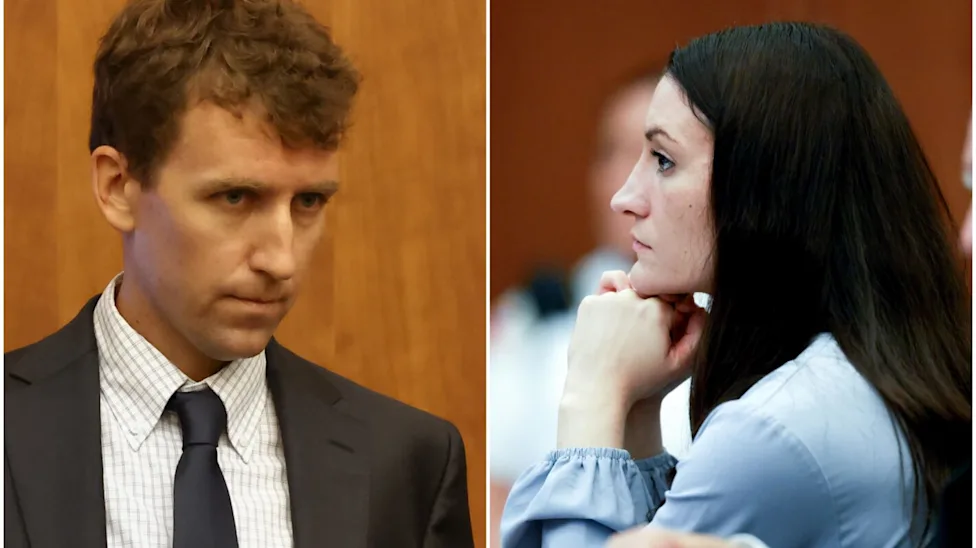
PLYMOUTH, MASSACHUSETTS — The Lindsay Clancy murder trial has reached its most consequential stage, with the jury now weighing whether the Massachusetts mother should be held criminally responsible for killing her three young children in 2023.
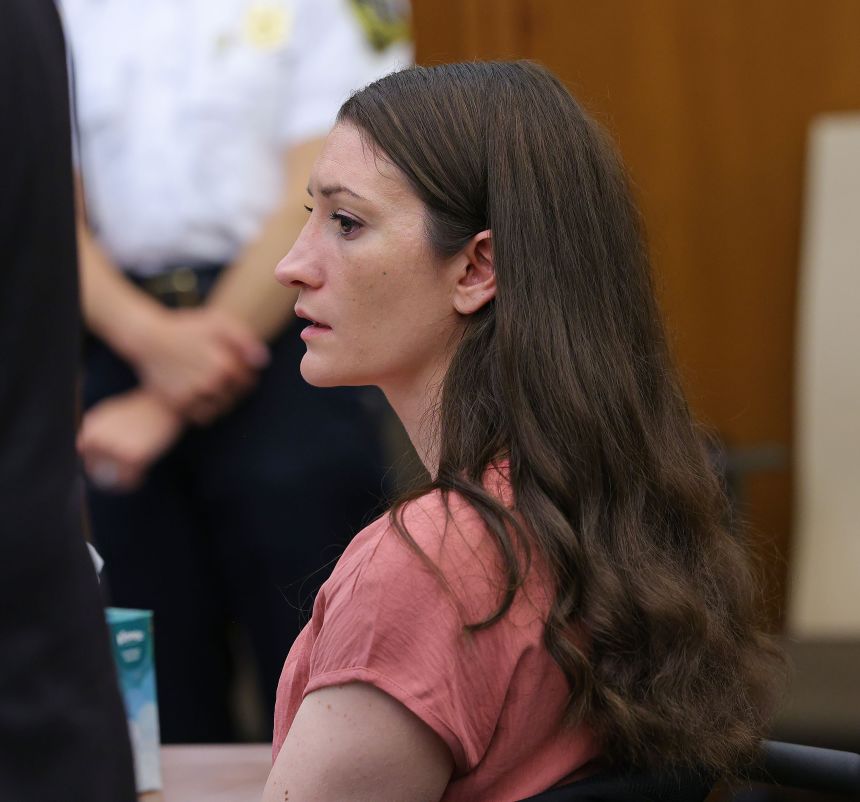
Clancy, 36, does not dispute that she killed Cora, 5, Dawson, 3, and Callan, 8 months. Her defense instead argues that she was experiencing severe postpartum psychosis and was legally incapable of understanding the wrongfulness of her actions. Prosecutors acknowledge that Clancy was struggling with significant mental-health problems but argue that she deliberately planned the killings and knew what she was doing.
⚖️ The Case Has Come Down to One Crucial Question
After weeks of testimony, jurors now have to decide whether Clancy’s psychiatric condition meets Massachusetts’ legal standard for a lack of criminal responsibility.
The defense says her mind had effectively collapsed under the combination of postpartum illness, severe insomnia, medication issues and delusions.
Prosecutors say those problems do not explain away her actions and contend that the evidence shows she retained awareness, planning ability and control.
🧠 Experts Gave the Jury Opposing Explanations
One of the defense’s central witnesses was forensic psychiatrist Dr. Phillip Resnick, who testified that Clancy was psychotic when the children died.
Resnick said she believed she was protecting her children and that her thinking had become detached from reality.
The prosecution’s experts reached the opposite conclusion.
Forensic psychologist Kirk Heilbrun testified that Clancy was seriously mentally ill but understood that killing her children was wrong. Prosecutors also called forensic psychiatrist Dr. Gregory Saathoff, who challenged Clancy’s account of hearing a male voice ordering her to kill the children.
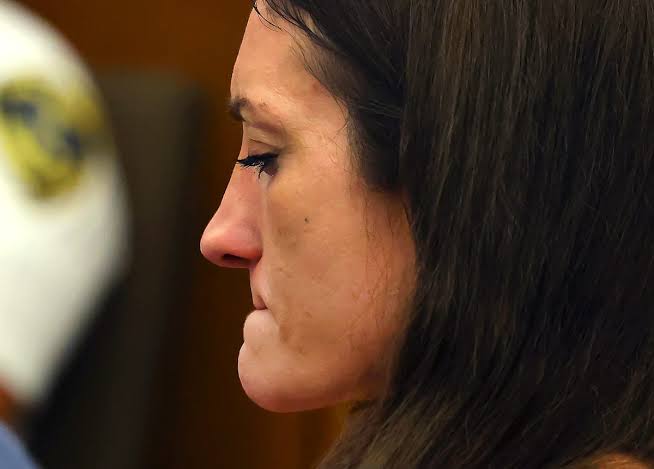
🔊 The Alleged Voice Became a Major Point of Dispute
Clancy has said a male voice instructed her to kill her children and then herself.
Her defense presented the claim as evidence of an acute psychotic episode.
Saathoff, however, told jurors that Clancy’s descriptions of the voice were inconsistent. He also noted that the alleged voice did not specify how or where the killings should occur.
He argued that the evidence instead suggested Clancy retained control over her actions.

🚨 Prosecutors Say the Killings Were Deliberate
During closing arguments, Assistant District Attorney Jennifer Sprague argued that Clancy deliberately arranged circumstances that allowed her to be alone with the children.
Prosecutors pointed to the sequence of events before the killings as evidence of planning.
They argued that Clancy sent her husband out on errands and then carried out the killings after he left.
According to the prosecution, that behavior is inconsistent with someone who was completely detached from reality.
The defense strongly disputes that interpretation.
💔 Defense Blames a Failed Mental-Health System
Defense attorney Kevin Reddington presented Clancy as a loving mother who had repeatedly tried to obtain help as her mental health deteriorated.
He emphasized her suicidal thoughts, insomnia, psychiatric treatment and medication history.
Reddington argued that Clancy’s condition had become so severe that her judgment and perception of reality were profoundly impaired.
He also criticized aspects of the medical care she received before the killings, saying warning signs were missed or inadequately addressed.
🏥 Clancy Survived Her Suicide Attempt
After the children were killed, Clancy attempted to take her own life by jumping from a second-story window.
She survived but suffered catastrophic injuries and is now paralyzed.
The prosecution has acknowledged that the suicide attempt was serious, although attorneys have disagreed over what her actions afterward reveal about her mental state.
The defense says the attempt supports its argument that Clancy was experiencing an extreme psychiatric crisis.
Prosecutors argue that the attempt does not automatically establish that she was legally incapable of understanding right from wrong.
👨👩👧 Patrick Clancy’s Testimony Added an Emotional Dimension
Clancy’s former husband, Patrick Clancy, also testified during the trial.
His testimony brought the family’s devastating loss into the courtroom and provided jurors with insight into the events surrounding the killings.
Patrick has previously expressed forgiveness toward Lindsay and has supported the idea that her mental illness played a central role in the tragedy.
That position contrasts sharply with the prosecution’s argument that she should be held legally accountable for her actions.
⚔️ Defense and Prosecution Gave Completely Different Closing Arguments
The defense told jurors that Clancy’s mind was effectively gone when she killed the children.
The prosecution argued the opposite: that she was suffering, but still capable of making deliberate decisions.
The competing closing arguments reflected the fundamental divide that has defined the entire trial.
One side asked jurors to see a mother overwhelmed by psychosis.
The other asked them to see a defendant who intentionally carried out three killings and then attempted to conceal the responsibility behind a claimed hallucination.
👩⚖️ Judge Rejects Defense Request for Special Instruction
Before deliberations, Judge William Sullivan rejected the defense’s request for a special jury instruction known as a Bowden instruction.
Such an instruction would have allowed jurors to consider alleged shortcomings in the police investigation.
The judge nevertheless permitted defense attorney Reddington to discuss investigative issues during his closing argument.
The court also previously rejected a defense request for a mistrial after a prosecution witness referred to Clancy’s Catholic faith.
🕯️ Jury Now Has the Final Say
The jury has several possible outcomes.
Clancy could be found guilty of first-degree murder, second-degree murder or manslaughter.
Jurors could also find her not criminally responsible by reason of mental illness.
A traditional not-guilty verdict is legally possible as well.
If she is convicted of first-degree murder, she could face life in prison without parole. If found not criminally responsible, she could instead be committed to a psychiatric facility.
⏳ Deliberations Have Begun
After closing arguments on Thursday, jurors began deliberating.
They spent several hours considering the evidence before being dismissed for the evening.
According to the latest reports, deliberations are scheduled to resume Friday. No verdict had been reached as of the end of Thursday.
That means the trial is now entirely in the hands of the jury.
A Verdict Could Come Soon
More than 80 witnesses have testified during the proceedings, including medical professionals, family members, investigators and psychiatric experts.
The jurors must now decide which interpretation of Clancy’s mental state is supported by the evidence.
Was she experiencing a psychotic break so severe that she could not understand the wrongfulness of her actions?
Or did she suffer from serious mental illness while still knowingly and deliberately killing her three children?
That distinction is now the heart of the case.
After five weeks of testimony, the courtroom phase is over. Lindsay Clancy’s fate now rests with 12 jurors deciding whether severe mental illness erased her criminal responsibility — or whether she remained in control when her three children died.
Sources: Associated Press — Jury weighs final arguments in Lindsay Clancy trial