British soldier awarded Military Cross after losing both legs in Sangin IED blast
British soldier awarded Military Cross after losing both legs in Sangin IED blast
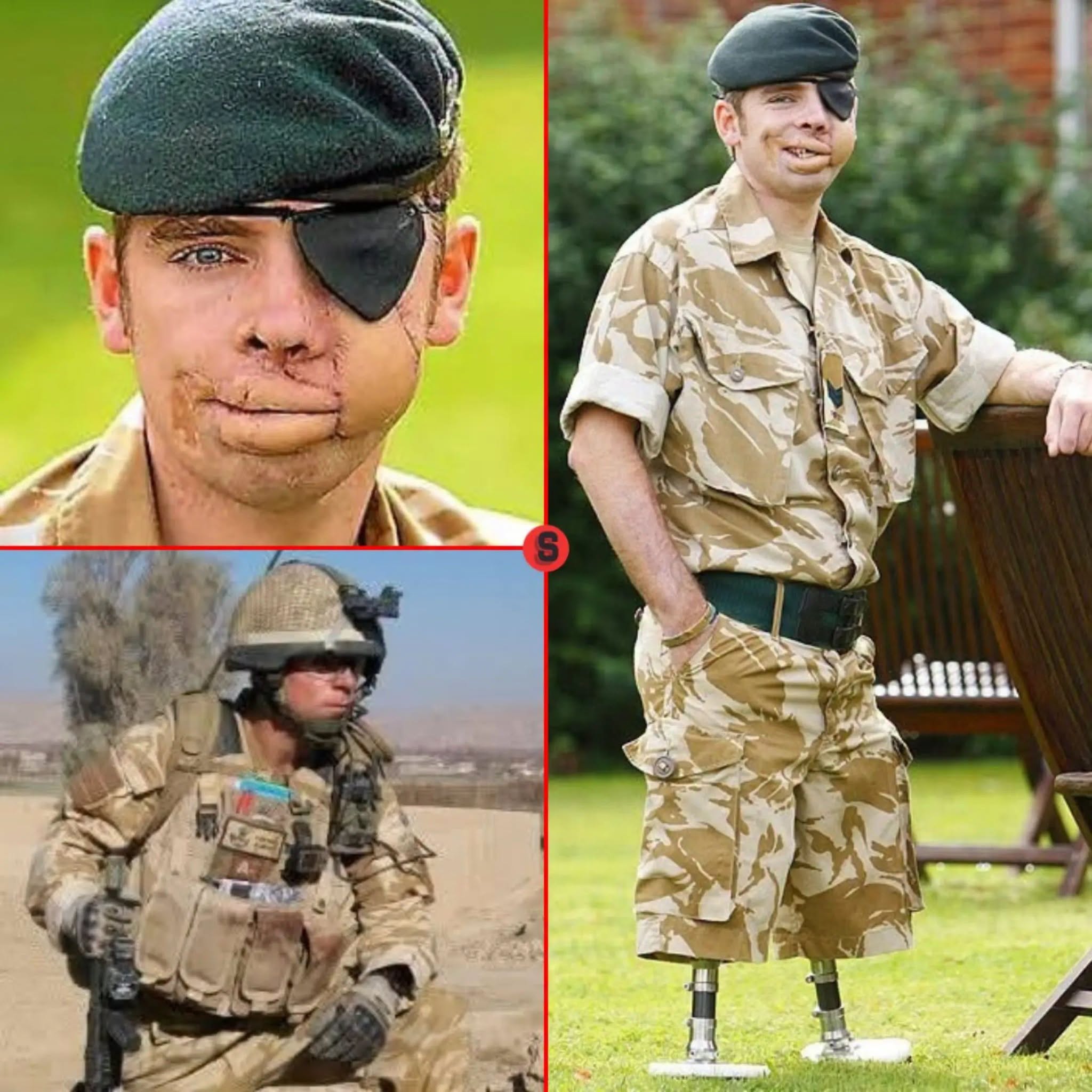
SANGIN, Helmand — Corporal Ricky Furgusson of 4th Battalion The Rifles repeatedly ran toward explosions that had already wounded his comrades. Then, on 13 January 2010, an improvised explosive device hidden in a doorway in Sangin detonated under him.
The blast took both of his legs, his left eye and several fingers. It tore half of his face and fractured his skull. He was 25, from Telford in Shropshire, and on his first tour of Afghanistan.
The Military Cross he received later that year was not for surviving the blast. It was for what he had done before it.
In October 2009, on his first patrol in Sangin, an IED ripped through his section. Furgusson ignored the risk of secondary devices, treated a badly wounded rifleman and helped evacuate him. The man lived. In November he went twice in one day to aid soldiers hit by bombs — first men from a nearby patrol, then a soldier from his own who had been thrown clear of the group. He again administered first aid under threat and arranged evacuation. At the end of the year he stabilized another casualty within 35 minutes of an explosion. That soldier later died of his wounds.
His official citation stated that he had ignored “the ever-present IED threat when dashing to the aid of wounded men” and that his leadership in the chaos after each strike had saved lives.
Furgusson was treated first at Camp Bastion, then at Selly Oak Hospital in Birmingham, where he spent weeks in intensive care. Rehabilitation followed at Headley Court. Within months he was walking on carbon-fibre prosthetic legs. In December 2010 he used those legs — and two walking sticks — to approach Queen Elizabeth II at Buckingham Palace and receive the Military Cross.
He later carried the Olympic torch through Shropshire, was made an honorary freeman of Telford, and worked with veterans’ groups including Pilgrim Bandits. He has spoken about the value of fitness in surviving catastrophic injury and about continuing to live as fully as possible after it.
Sangin in 2009–10 was among the most heavily mined districts British forces faced in Helmand. Furgusson’s medal recognized a pattern of action in that environment: moving toward the wounded when the ground itself was still lethal.
Sources
- BBC News, “Military Cross for soldier wounded in Afghanistan blast,” December 2010; earlier reports September 2010
- Ministry of Defence citation quoted in BBC, The Independent and The Guardian, September 2010