Born with a trunk-like growth, an Aligarh girl was treated as Ganesha — then surgeons changed her face
Born with a trunk-like growth, an Aligarh girl was treated as Ganesha — then surgeons changed her face
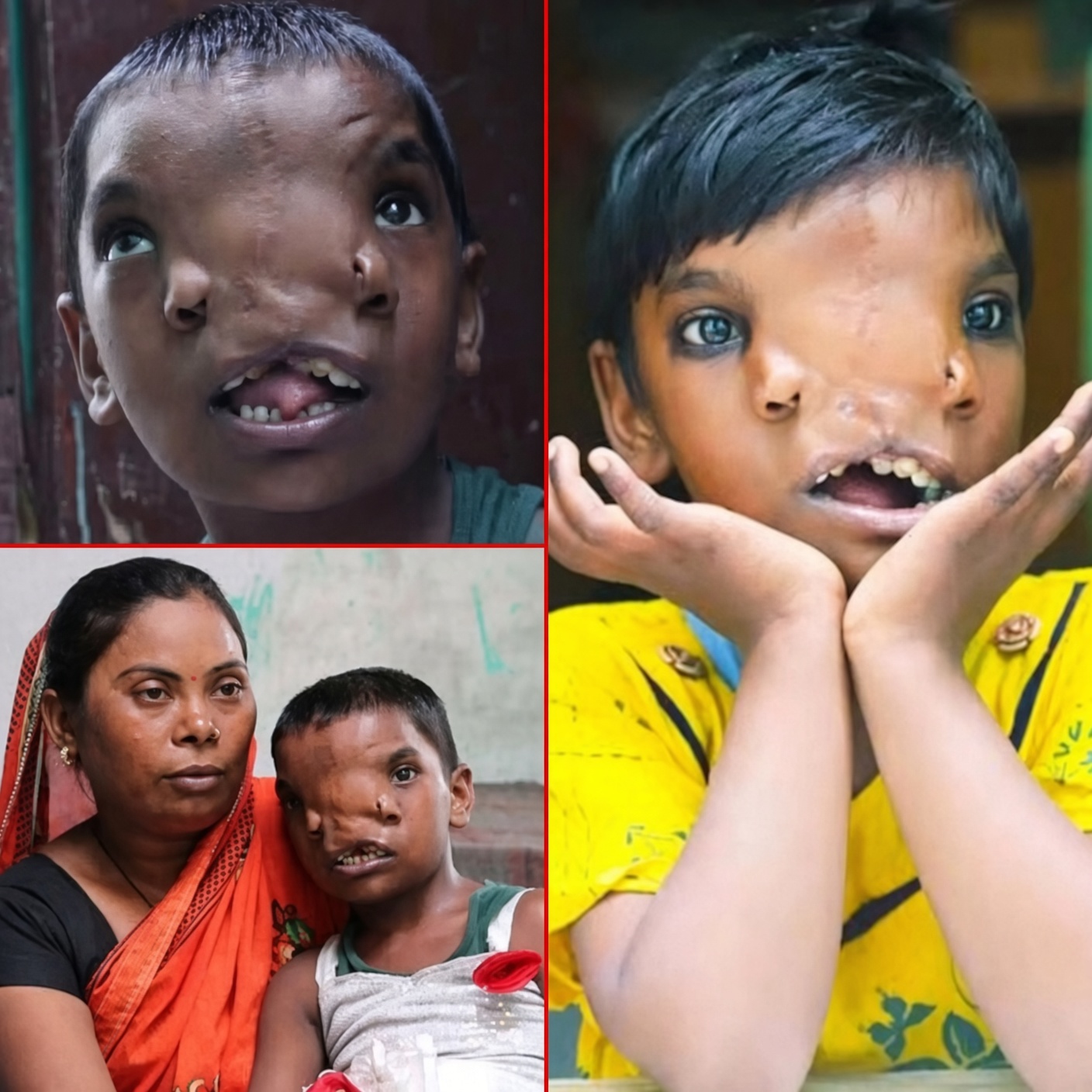
ALIGARH, India — In late March 2015, Sarvesh gave birth to her fourth child, a girl later called Lakshmi (also spelled Lakshimi or Laxmi). Between the infant’s eyes was a fleshy protrusion that villagers said looked like a small trunk.
The family lived in modest housing in Aligarh, Uttar Pradesh. The father, Om Prakash, sold vegetables. Relatives said the pregnancy had seemed ordinary. The appearance of the face was not.
Word spread quickly. Crowds came to the house with offerings. Some were frightened. Others called the child an incarnation of Ganesha, the elephant-headed Hindu deity, or nicknamed her “Ganpatni.” Aunt Rajani told reporters that people treated the baby as they would an idol. A visitor named Neelam said she had come because she believed the child was divine.
Doctors described a congenital malformation — a developmental disruption before birth. Local physicians interviewed at the time spoke of possible genetic mutation and mentioned malnutrition and pollution as suspected contributors. They said the child was otherwise healthy and that corrective surgery could wait. A pediatrician later referred the family toward specialist care in Delhi.
Surgery was performed to remove the extra structure. Press reports in later years said the operation left her with two noses and a markedly different face. Doctors advised waiting until she grew further before considering additional procedures. By age six she was still a known figure locally. Some neighbors continued to compare her to Ganesha. The family sought financial help for further care and a more ordinary childhood.
The case sits at a familiar intersection in parts of rural India: a rare craniofacial anomaly, limited early medical access, and a religious reading that can bring both devotion and delay. Ganesha is widely honored as a remover of obstacles. A newborn whose face recalled that icon drew pilgrims. The same anatomy that produced reverence also threatened breathing, speech and social life if left untreated.
Lakshmi’s story is not unique in outline — other children with encephaloceles or midline facial growths have been named Ganesh and later operated on — but the 2015 Aligarh birth was among the most widely photographed. After the first operation, the girl remained in her community, no longer the infant with a trunk, still the child people remembered as the one they had come to see.
Sources
- Hindustan Times, “Aligarh: This baby born with ‘trunk’ is worshipped as ‘Ganesha’s wife,’” March–April 2015
- International Business Times (India and UK), Aligarh reports and ANI quotes, March–April 2015
- Daily Mail, “Baby girl born in India with a ‘trunk’…,” March 2015
- Medindia and Siasat Daily contemporaneous coverage