Two-Year-Old From Tajikistan Underwent Eight Surgeries in India to Treat Severe Hydrocephalus
Two-Year-Old From Tajikistan Underwent Eight Surgeries in India to Treat Severe Hydrocephalus
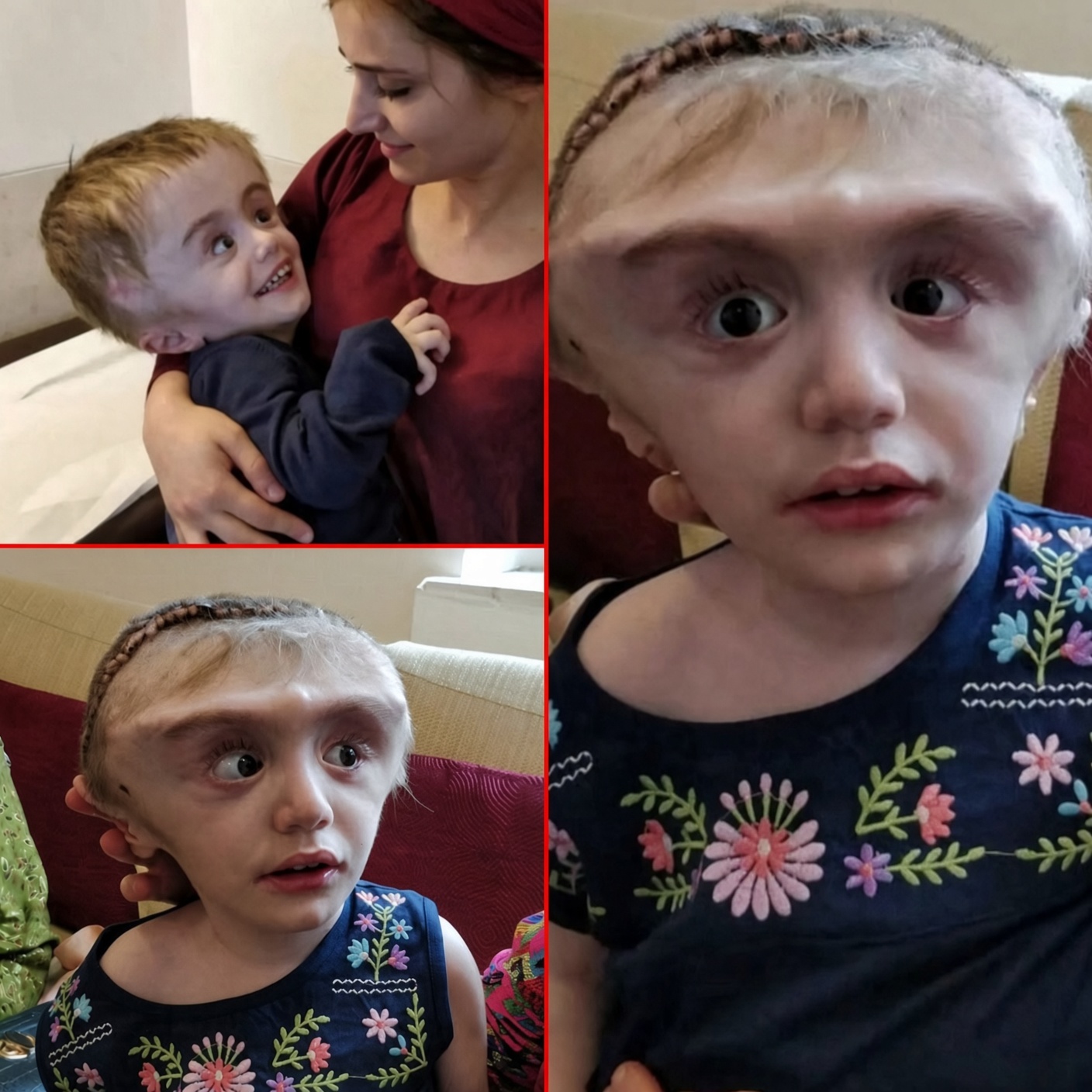
Maryam was born with hydrocephalus: cerebrospinal fluid collected in the brain, enlarging her head and threatening neurological damage if left untreated. Combined with megalencephaly — an abnormally large brain — the condition made it almost impossible for her to lift her head or move. Her family brought her from Tajikistan to India for specialised care.
At Fortis Memorial Research Institute in Gurugram, a team led by neurosurgeon Dr Sandeep Vaishya reviewed a case that had already been partly treated at home. At 11 months she had received a ventriculoperitoneal (VP) shunt in Tajikistan, which drained excess fluid and reduced her head circumference from about 72 centimetres to 64. By then cranial bones had begun to fuse. She still could not sit or hold her head up. Further reduction would require multiple high-risk operations.
Her parents consented. Over five months Maryam underwent eight surgeries aimed at controlling fluid, reducing the size of the skull where possible, and limiting further injury. Doctors later said the work was extremely challenging; at one point they nearly lost her. She recovered enough that a later CT scan showed encouraging brain development and she began to lift her head.
Hospital officials stressed that the result was not a finished cure. There remained a risk of brain injury. What they offered was a better chance of a more ordinary childhood — provided she continued under close follow-up, rehabilitation and regular checks as she grew.
Hydrocephalus is treatable when a shunt or other drainage is placed early. Maryam’s case was harder because treatment started late and the brain itself was oversized. The Indian team’s plan was incremental: drain, reconstruct, watch, repeat. The family travelled because they had heard of similar work at the same hospital, including the well-known case of Roona Begum.
After the last of the eight operations, specialists described a favourable early course and the need for years of monitoring. For a child who had struggled since the first month of life, lifting her head was the first measurable change.
Sources
The Hindu, “Baby suffering from hydrocephalus operated upon successfully” (August 2018)
Press Trust of India / Business Standard, “Girl from Tajikistan undergoes multiple surgeries for hydrocephalus at Gurgaon hospital”
Medical Dialogues, Fortis Memorial Research Institute case summary (Dr Sandeep Vaishya)