The Weight of a Face: Emanuel Zayas in Miami
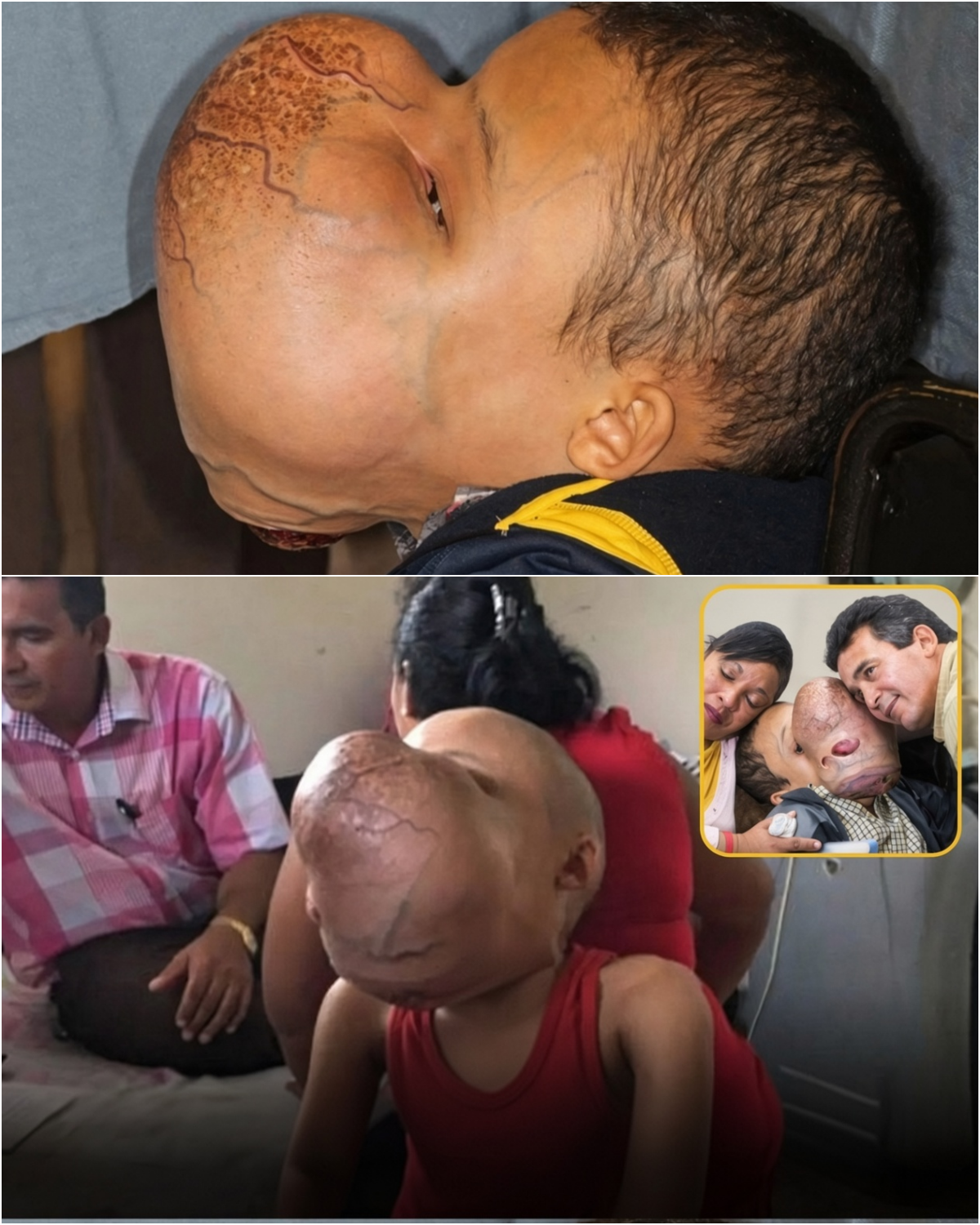
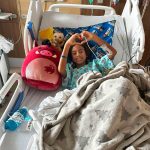
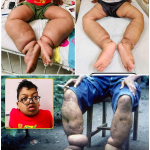
Emanuel Zayas was fourteen when he left Villa Clara, Cuba, with his parents, Noel Zayas and Melvis Vizcaíno, on a humanitarian visa. He had polyostotic fibrous dysplasia: in place of normal bone, scar-like tissue had formed since he was a toddler, twisting a hip and a leg. Around age eleven a “pimple” beside the nose became an ossifying mass. By late 2017 it weighed about ten pounds—4.5 kilograms—the size of a basketball, hanging off the midface, pressing the airway, making chewing almost impossible. The growth was benign. Its weight was not. Dr Robert Marx, chief of oral and maxillofacial surgery at the University of Miami, told reporters it could fracture the neck or smother the boy if nothing was done. Cuban doctors had not operated. International Kids Fund and Jackson Health Foundation brought the family to Holtz Children’s Hospital at Jackson Memorial. Surgeons volunteered their fees. A public appeal covered the rest.
On 12 January 2018 a team worked for roughly twelve hours. They lifted the mass away. Early notes mentioned pupil reflexes and facial tone. Reconstruction of jaw, cheek and teeth was planned for later stages, as it had been for other patients Marx had treated—among them Haitian teenager Marlie Casseus, who survived a still larger fibrous-dysplasia tumour years before. Emanuel did not reach those stages. Days after the resection his kidneys and lungs failed. He died on the night of 19 January 2018. Marx called him a brave young man. The family donated remains for study of the disease.
Viral posts still freeze the story at the eve of surgery: the inset of UHealth staff, the boy’s profile under a map of veins, the promise of a marathon that would give him a face. The operation happened. The tumour came off. Physiology after a decade of dysplasia and malnutrition did not hold. Fibrous dysplasia is not cancer, but a huge craniofacial mass in a wasted adolescent is a systemic insult, not only a local one. Charity and skill can move a child across a strait and across an operating table. They cannot always carry him through the week that follows.
What remains is the record: a pastor’s son from central Cuba, a Miami team that did not charge, a twelve-hour excision, and a death that the headlines after 19 January had to write in a different tense from the ones written in December.
Sources: Miami Herald reporting, December 2017–January 2018; CBS News and South China Morning Post obituaries; University of Miami / UHealth and International Kids Fund statements; FD/MAS Alliance note on the case.