🚨 UPDATE: SCOTT PETERSON’S NEW DOCUSERIES REIGNITES THE 20-YEAR BATTLE — PROSECUTOR SAYS “NEW EVIDENCE” ISN’T NEW
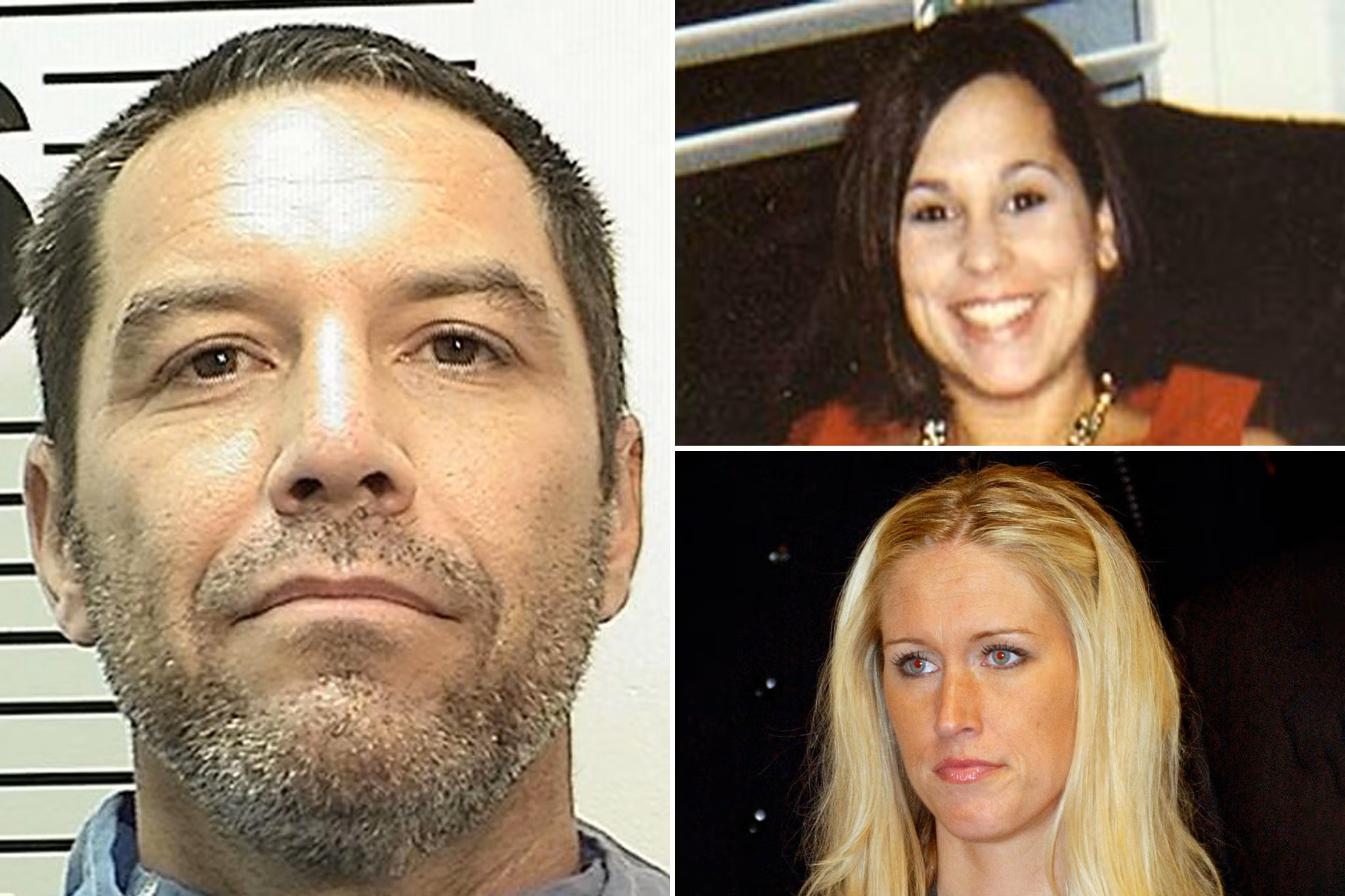
MODESTO, CALIFORNIA — More than two decades after Laci Peterson disappeared while eight months pregnant, Scott Peterson’s name is back at the center of a fierce legal dispute.
A new two-part docuseries is presenting arguments that Peterson’s supporters say could undermine the case that sent him to prison.
But the Stanislaus County district attorney’s office is pushing back hard.
Prosecutors say the documentary is presenting old arguments in a new package, portraying disputed theories as explosive discoveries even though similar claims have already been examined by courts.
The dispute comes as Peterson continues trying to challenge the conviction that has kept him behind bars since 2004.
💔 THE CASE THAT CAPTURED AMERICA
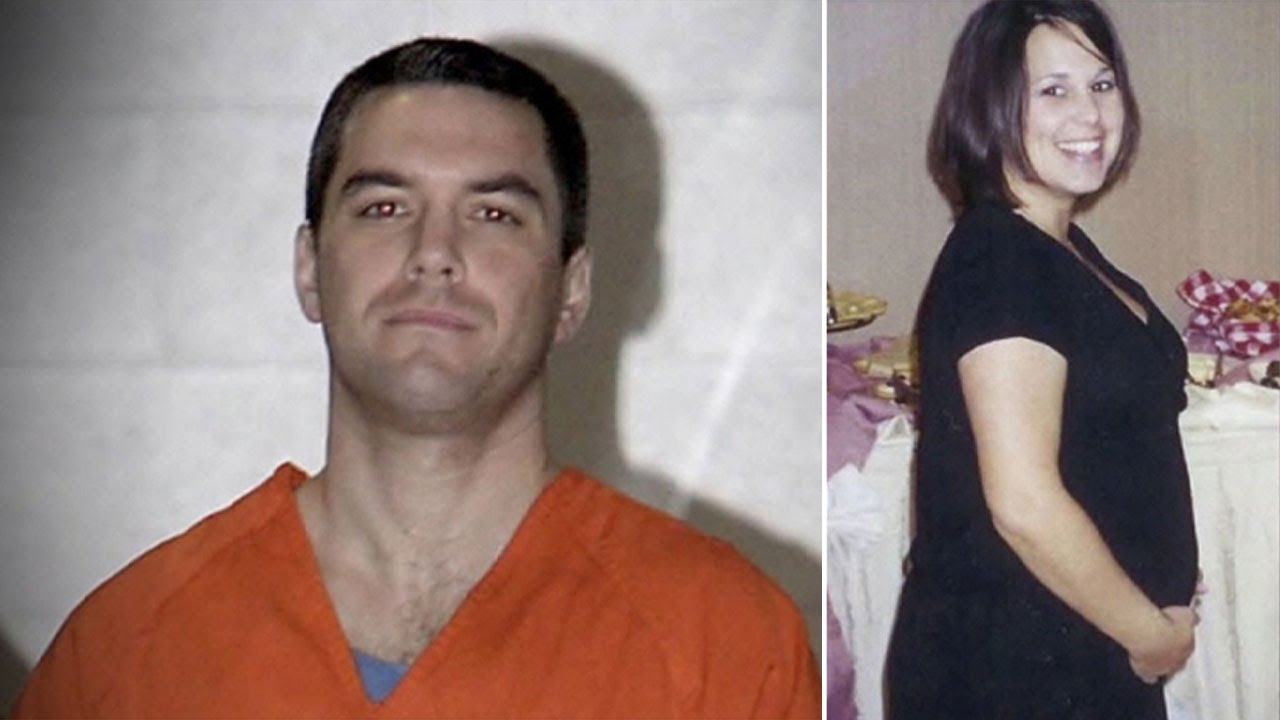
Laci Peterson disappeared from her Modesto, California, home on December 24, 2002.
She was eight months pregnant with the couple’s first child.
The disappearance triggered a massive search and national media attention. Months later, the remains of Laci and her unborn son, Conner, were found in the San Francisco Bay.
Peterson was arrested in April 2003.
A jury ultimately convicted him of murdering Laci and Conner in 2004.
He initially received a death sentence, but the California Supreme Court later overturned the penalty because of errors in jury selection and sentencing proceedings. His murder convictions remained intact, and he is now serving life in prison without the possibility of parole.
🔎 THEN CAME THE CLAIM OF “NEW EVIDENCE”
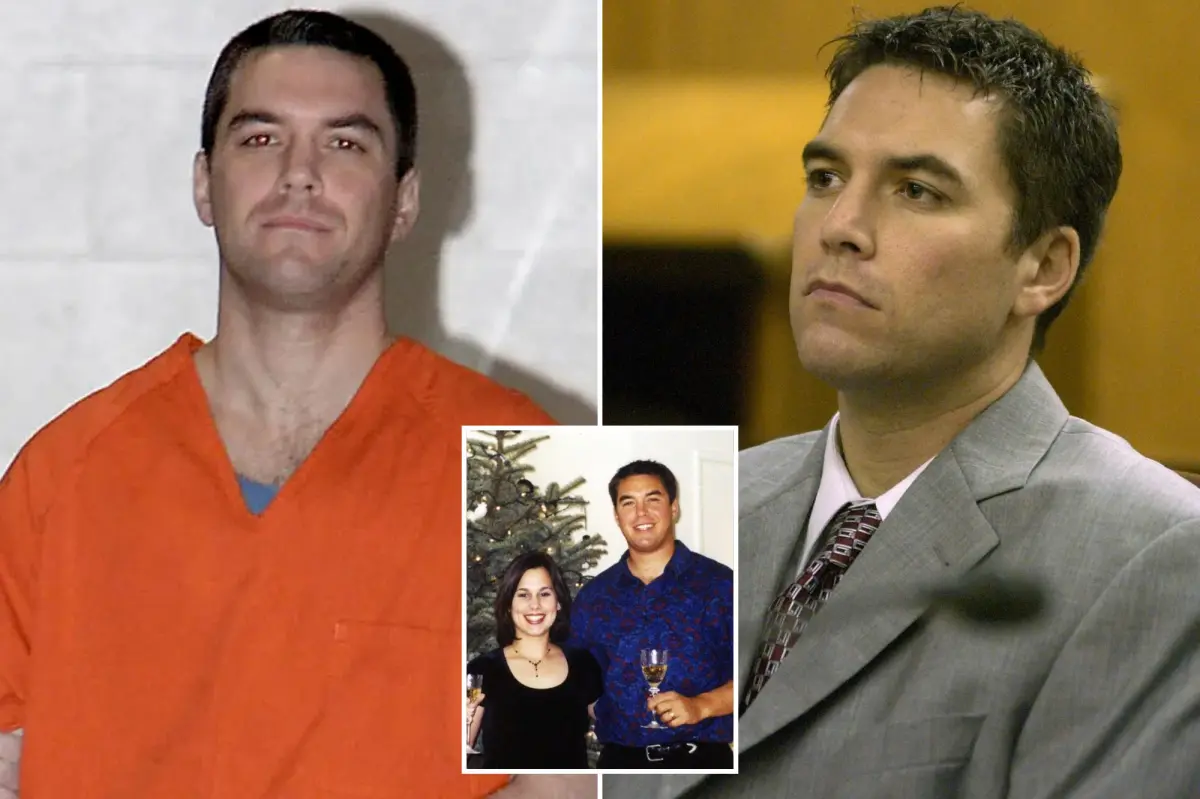
In recent years, Peterson’s legal team, including the Los Angeles Innocence Project, has tried to reopen the case.
Their filings have raised questions about several pieces of evidence and theories surrounding Laci’s disappearance.
Among the issues are the timing of Conner’s development, a burglary at a nearby home around the time Laci vanished, and reported sightings of Laci after prosecutors said she had already been killed.
Those arguments are now receiving renewed attention through “Scott Peterson: The New Evidence,” an A&E docuseries supported by Peterson’s former attorney Mark Geragos.
The program presents testimony and interviews intended to make viewers reconsider whether the original investigation and trial adequately accounted for conflicting evidence.
For Peterson’s supporters, those unresolved questions are evidence that the conviction deserves another look.
For prosecutors, they are something very different.
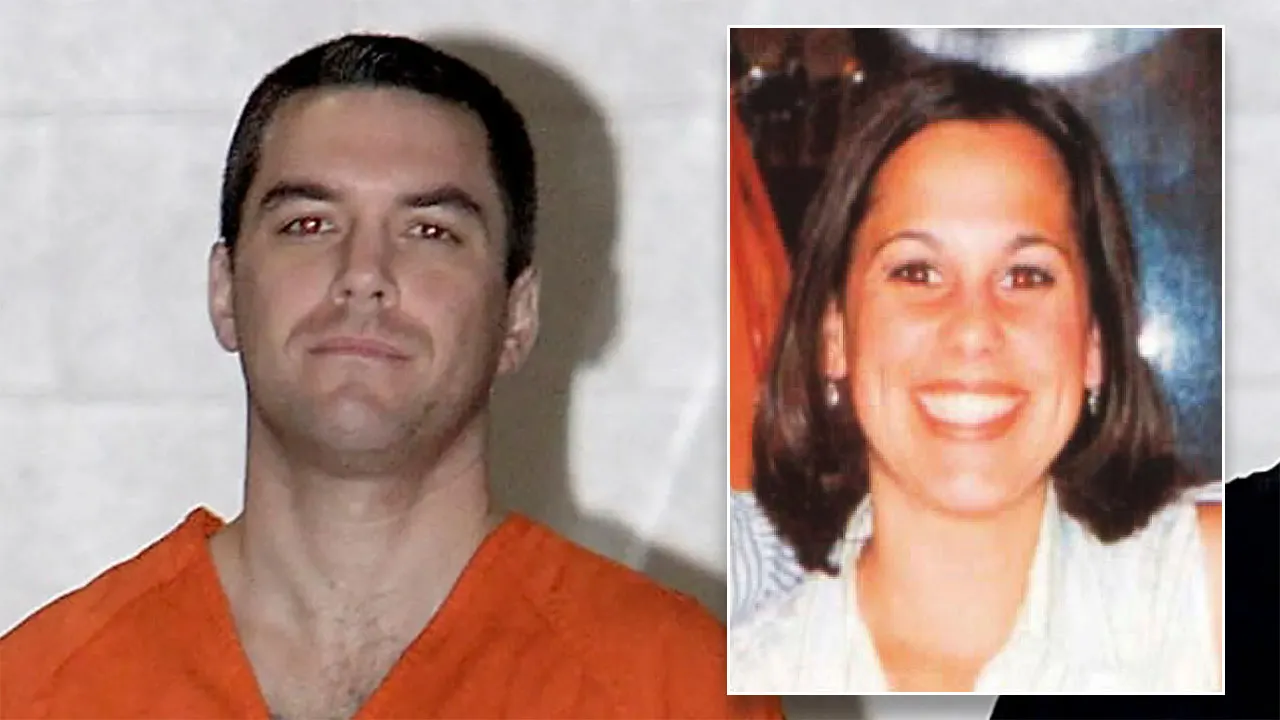
⚖️ THE DISTRICT ATTORNEY FIRES BACK
Stanislaus County District Attorney Jeff Laugero has publicly rejected the premise that the documentary has uncovered a major new case.
In a response released by his office, Laugero argued that television programming cannot replace the court record and accused the production of recycling theories that had already been considered.
The district attorney’s office even prepared a fact sheet addressing the principal claims highlighted by the documentary.
Its position is straightforward: the existence of a disputed theory does not make the underlying evidence new.
The prosecutor’s response also reflects how seriously the county continues to view the conviction more than 20 years after the crime.
The office says the case has already undergone extensive review, including appeals and post-conviction proceedings.
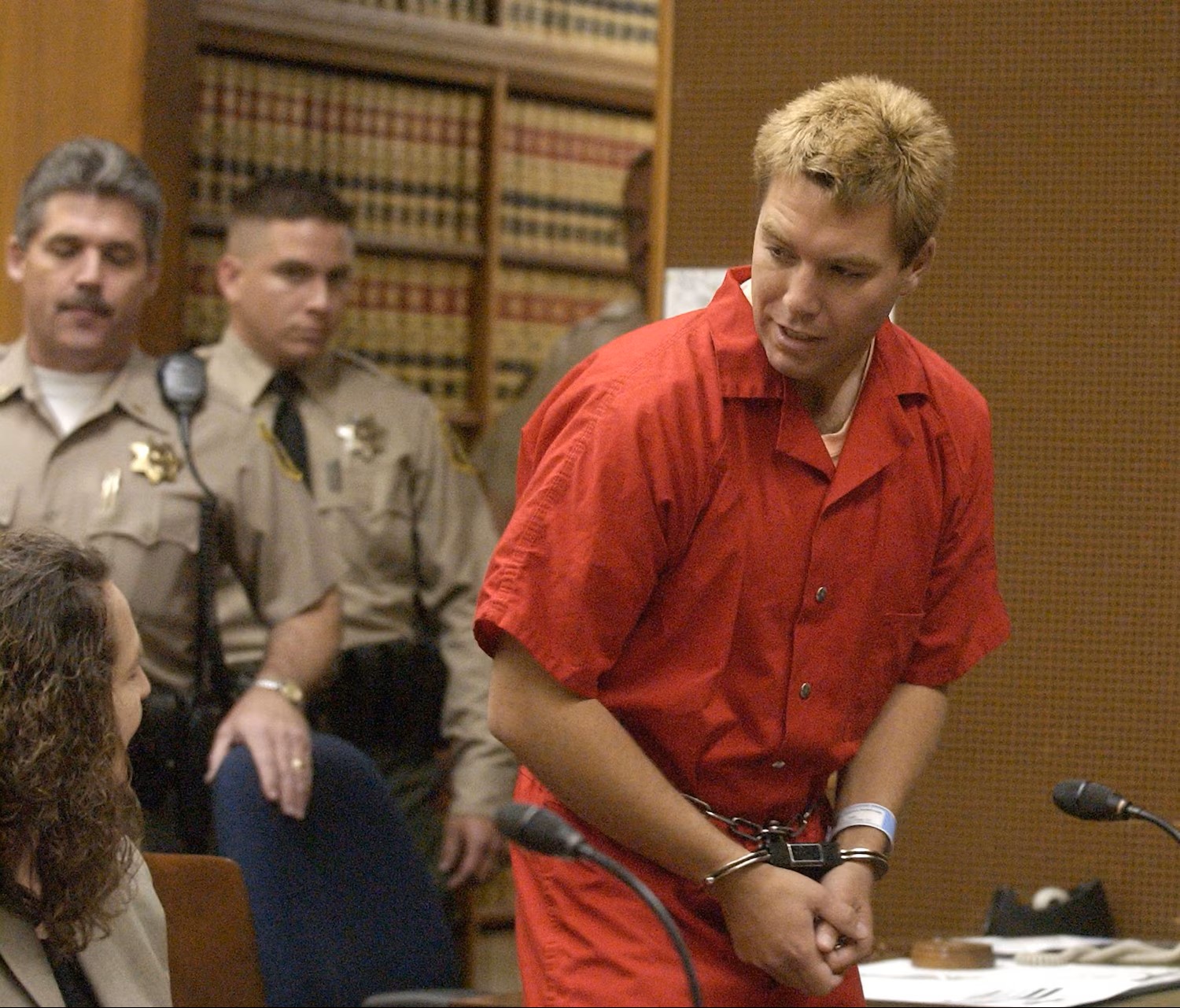
🧩 THE BURGLARY THEORY
One of the most controversial issues resurfacing in the documentary involves a burglary reported near the Peterson home around the time Laci disappeared.
Peterson’s legal team has argued that information connected to the burglary could support an alternative explanation for what happened to Laci.
The theory has also been tied to claims that she may have been alive later than prosecutors originally argued.
Prosecutors reject that interpretation and have maintained that the burglary does not establish that someone else killed Laci.
The disagreement is important because it illustrates the central battle surrounding Peterson’s post-conviction claims: whether individual pieces of disputed evidence truly undermine the verdict when considered in the context of the entire trial record.
🍼 QUESTIONS ABOUT CONNER HAVE ALSO RETURNED
Another issue concerns Conner’s gestational age.
The prosecution’s original timeline was significant because it helped prosecutors argue about when Laci was killed and how the bodies could have ended up in the bay.
Peterson’s supporters have argued that later analysis of fetal development raises questions about that timeline.
The district attorney’s office disputes that characterization and says similar issues were already considered during the original proceedings.
The debate may sound technical, but it has potentially major consequences for Peterson’s theory of innocence because the timing of Laci’s death is central to the prosecution’s reconstruction of what happened.
👀 THE LACI SIGHTINGS REMAIN A FLASHPOINT
Perhaps the most emotionally powerful argument is the continuing discussion over reported sightings of Laci after the time prosecutors said she had been killed.
Witnesses reported seeing a pregnant woman walking in the neighborhood.
Peterson’s defense has argued that some of those accounts were not adequately resolved.
But a witness statement is not automatically proof that the person observed was Laci.
Prosecutors have continued to argue that the sightings do not overcome the larger body of evidence presented at trial.
That difference between raising a question and proving an alternative theory lies at the heart of the current dispute.
🏛️ A JUDGE ALREADY REJECTED HIS LATEST PETITION
The renewed publicity comes despite another significant legal setback for Peterson earlier in 2026.
On April 27, 2026, San Mateo County Superior Court Judge Elizabeth Hill denied Peterson’s latest habeas petition in its entirety.
The petition contained 14 claims seeking post-conviction relief.
The court rejected the effort, and Peterson’s legal team said it intended to appeal.
Judge Hill’s ruling was especially important because it addressed the very evidence Peterson’s supporters now say deserves another look.
Her decision found that the purportedly new evidence did not qualify as truly new in the way required for the requested relief.
That ruling became the latest obstacle in Peterson’s attempt to reopen the case.
📄 THE PROSECUTION SAYS THE COURT RECORD TELLS A DIFFERENT STORY
The Stanislaus County district attorney’s office went further in its May response.
According to the office, an undisclosed 2004 transcript undermined part of the defense’s presentation and raised concerns about how some claims were being characterized in the latest effort.
The prosecutor’s office said the court had rejected all 14 claims and argued that the defense was attempting to use material already familiar to the judicial system in a new post-conviction package.
That creates a fundamental divide over the meaning of the documentary.
One side sees newly highlighted evidence that deserves judicial review.
The other sees old disputes repackaged for a television audience.
⚠️ PETERSON HAS NEVER STOPPED CLAIMING INNOCENCE
Throughout his years in prison, Peterson has continued to maintain that he did not murder his wife or unborn son.
His legal team has repeatedly sought ways to challenge the conviction.
The Los Angeles Innocence Project took up his case and has argued that the conviction was affected by unreliable or improperly handled evidence.
The organization has also said it intends to continue pursuing higher-court review after the April ruling.
But none of those efforts has overturned the conviction.
For now, Peterson remains legally responsible for the murders under the existing judgment.
🚨 THE DOCUMENTARY CANNOT CHANGE THE VERDICT
That is the central reality behind the latest wave of attention.
A documentary can introduce witnesses, present alternative theories and persuade viewers that unanswered questions remain.
But it does not itself overturn a criminal conviction.
Only a court can do that.
And so far, the courts have not done so.
The April 2026 ruling was another rejection of Peterson’s attempt to use supposedly new evidence to obtain relief. His legal team has indicated that the fight will continue at a higher level.
🕯️ MORE THAN 20 YEARS LATER, THE ARGUMENT IS STILL ALIVE
Few American murder cases have remained in the public consciousness as long as the Peterson case.
Laci was 27.
She was preparing to become a mother.
Her disappearance became one of the biggest criminal investigations in the country, and the discovery of her remains transformed a missing-person case into a murder prosecution.
Now, more than two decades later, television producers, defense lawyers and prosecutors are still fighting over how that evidence should be understood.
For Peterson’s supporters, the debate proves that serious questions remain.
For the prosecution, it proves something else: that arguments rejected by courts can be made to sound new when presented to a fresh audience.
🔥 THE LEGAL FIGHT IS NOT OVER — BUT THE CONVICTION STILL STANDS
The latest documentary has reopened public debate, but it has not reopened the murder conviction itself.
Scott Peterson remains incarcerated under a sentence of life without parole.
His latest habeas petition was rejected in April, and his legal team has said it will continue seeking review.
At the same time, the district attorney’s office remains adamant that the documentary does not establish Peterson’s innocence and that the claims highlighted by the program largely revisit theories already examined in court.
That leaves the case where it has been for years:
Peterson says he is innocent. His supporters say new evidence deserves another chance. Prosecutors say the evidence has already been tested. And the courts have so far kept the conviction intact.
More than 20 years after Laci Peterson disappeared, the argument over what really happened has not disappeared with her.
Sources:
Court TV — ‘Recycled arguments’: DA claims new Scott Peterson docuseries makes ‘mockery’ of court record