Could This Be the Evidence That Finally Breaks the Madeleine McCann Mystery?
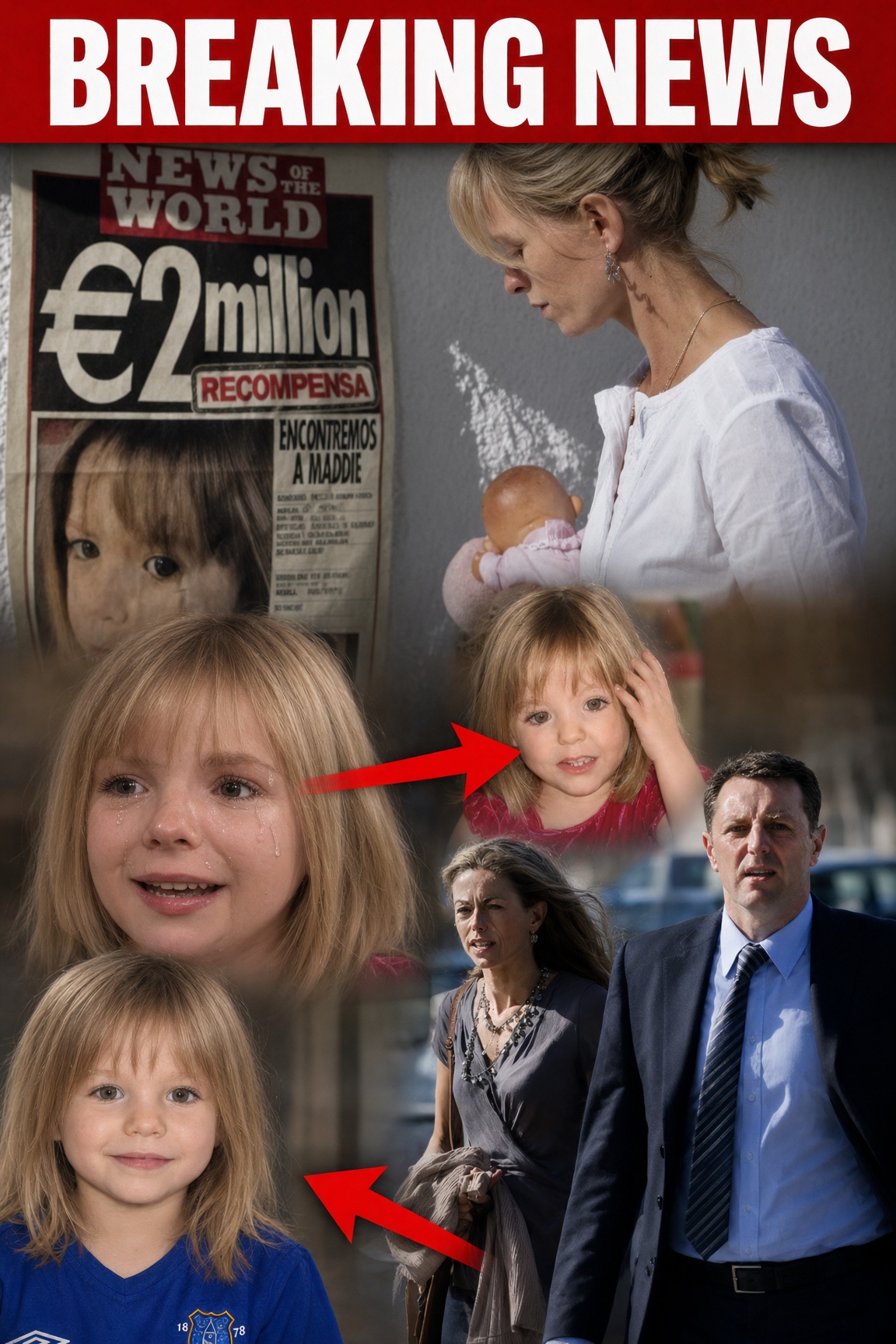
Nearly two decades after three-year-old Madeleine McCann disappeared from a holiday apartment in Praia da Luz, Portugal, investigators are once again facing a question that has haunted the case from the beginning: are they finally getting close enough to the truth to prove what happened?
The answer remains uncertain. But developments during 2026 have placed the investigation under renewed scrutiny, with reports that German authorities have provided Scotland Yard with a new dossier concerning Christian Brückner, the man German prosecutors have identified as the central suspect in Madeleine’s disappearance.
The reported transfer of the dossier could become one of the most significant developments of the year. It could also turn out to be another lead that fails to provide the evidence prosecutors need.
That uncertainty is precisely what makes the latest chapter so important.
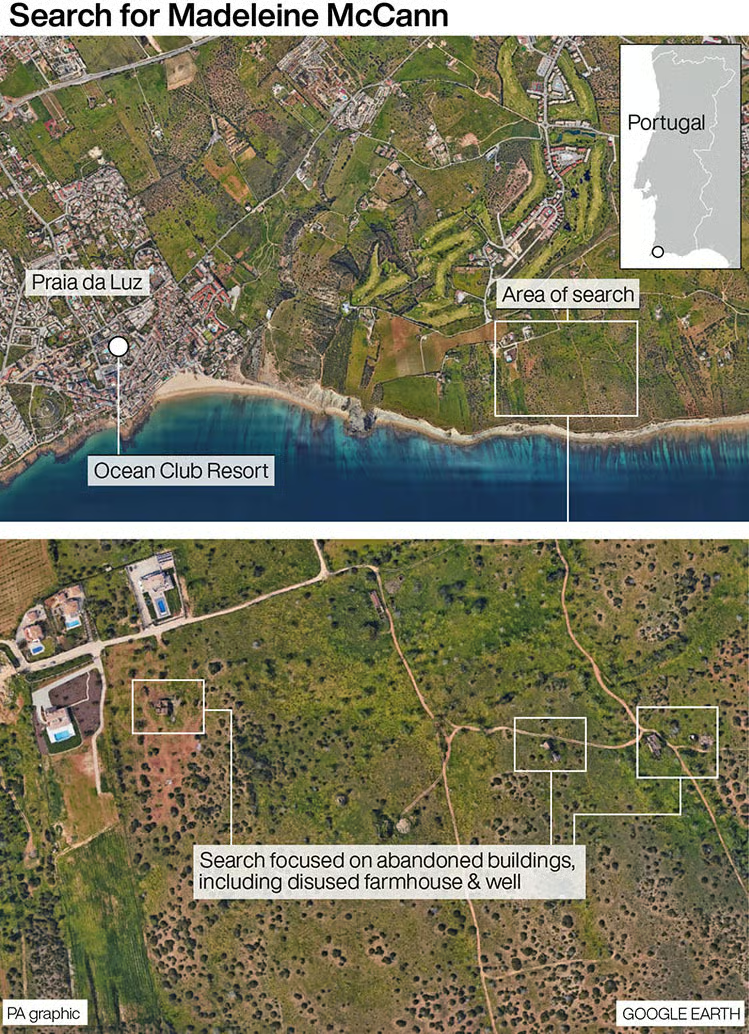
Madeleine disappeared on May 3, 2007, while on holiday with her parents and her younger twin siblings in Praia da Luz. Her parents were dining with friends at a nearby restaurant when Madeleine was discovered missing from the family’s apartment. Despite an enormous international investigation, repeated appeals, searches and years of speculation, Madeleine has never been found.
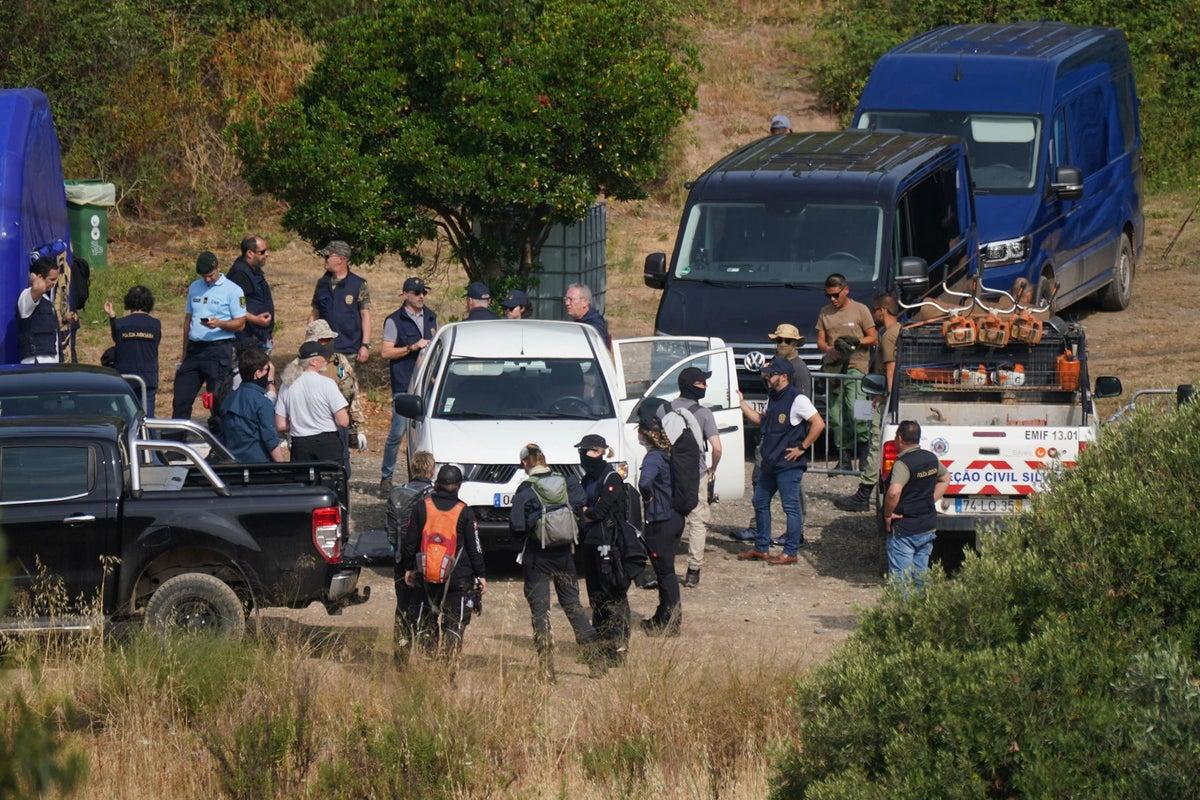
The Metropolitan Police entered the investigation in 2011 after a request from the British Home Secretary. Operation Grange initially conducted an investigative review of the work already carried out by other authorities. In July 2013, the Met changed the status of its work to an investigation, pursuing specific lines of inquiry alongside Portuguese authorities.
Almost 15 years later, Operation Grange remains active.
The Met says it continues to work with law-enforcement colleagues in Portugal and Germany, while the Home Office continues to fund the operation. That means the investigation has never officially reached an endpoint.
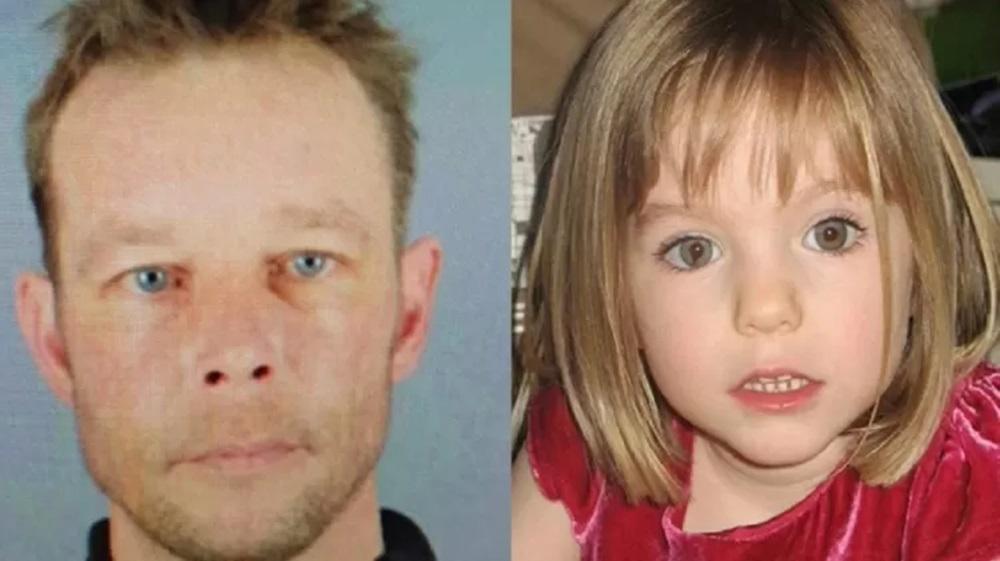
The latest attention centers on Brückner.
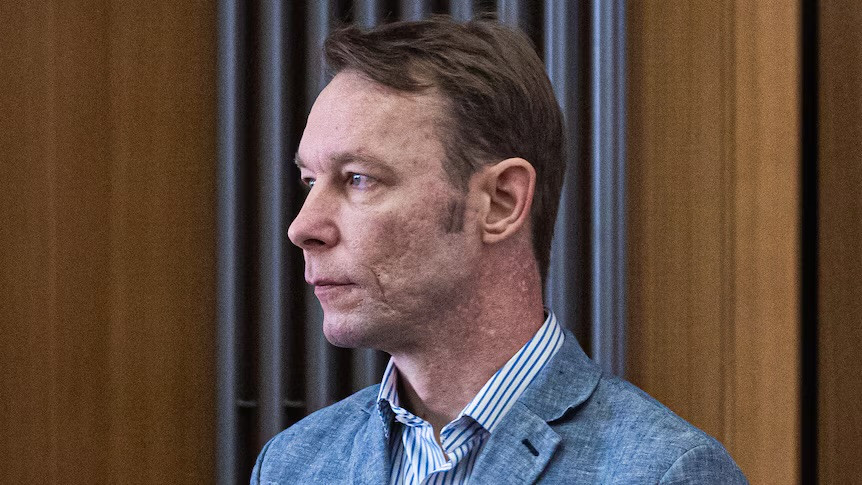
German authorities identified him publicly in 2020 as a suspect in the disappearance. Prosecutors have said they believe Madeleine was killed, but the case has never resulted in a charge against Brückner. He has denied involvement.
That distinction is crucial.
A suspect can remain under investigation for years without prosecutors possessing enough evidence to bring charges. In a case as old and complicated as Madeleine’s disappearance, investigators must establish not only that a suspect had an opportunity to commit a crime, but that evidence can reliably connect that individual to the crime itself.
In July 2026, reports emerged that German authorities had sent Scotland Yard a dossier described by some reports as crucial. The files were reportedly connected to Brückner and were said to contain photographs, accounts and other information. British investigators acknowledged that discussions with German and Portuguese authorities were continuing, but the Metropolitan Police did not publicly announce that the new material had solved the case.
So what could the dossier actually mean?
One possibility is that it contains genuinely new evidence that strengthens the existing case against Brückner. If investigators can independently verify such material and establish a direct connection to Madeleine’s disappearance, the consequences could be enormous.
Another possibility is that the dossier simply reinforces information detectives already possess.
That might still matter. A collection of previously known facts can become more significant when combined with new testimony, digital evidence or forensic findings. But reinforcement is not the same as a breakthrough.
There is also a third possibility: the material may ultimately fail to meet the legal threshold required for prosecution.
That would not necessarily mean the investigation had failed. It could mean investigators need more evidence before taking the next step.
The difficulty is that the public has not seen the complete dossier.
This has created a vacuum that has been filled by speculation. Some reports have described the files in dramatic terms, while social-media accounts have portrayed them as almost definitive proof. But there is currently no public court finding establishing that the new material proves Brückner was responsible for Madeleine’s disappearance.
That leaves one of the biggest questions in the case unanswered: what exactly do British investigators now have that they did not have before?
The answer could determine what happens next.
If the evidence is strong enough, British investigators could potentially seek further legal action against Brückner. Reports in May 2026 suggested Scotland Yard wanted to explore the possibility of a UK trial if the evidential position became strong enough. But legal experts have pointed out that Brexit complicates extradition arrangements between Britain and Germany.
And even if Brückner were eventually brought before a British court, prosecutors would still have to prove the case.
That is perhaps the greatest misconception surrounding the investigation.
A prosecution would not automatically mean a conviction.
Nor would a conviction in an unrelated German case establish that Brückner was responsible for Madeleine’s disappearance.
The latter point is particularly important because another major development is approaching.
Germany’s Federal Court of Justice is scheduled to hear an appeal on January 11, 2027, concerning Brückner’s acquittal on five sexual offences unrelated to Madeleine. The case involves allegations arising from his time in Portugal. The appeal is separate from the Madeleine investigation.
Yet the timing is significant.
If the German proceedings change Brückner’s legal circumstances, investigators in other countries will inevitably be watching closely. His legal status could become more complicated just as British detectives continue assessing the new material.
Still, none of that answers the central question.
Where is Madeleine?
She has never been found.
That fact remains the most painful element of the investigation and the biggest obstacle to certainty. Investigators can potentially build a case without recovering a body, but they must rely on other evidence capable of establishing what happened.
That could include digital records, communications, witness testimony, photographs, forensic material or other evidence establishing a reliable timeline.
If the new dossier contains such material, the case could enter a fundamentally different phase.
If it does not, the investigation could continue exactly as it has for years: pursuing leads, testing evidence and waiting for something strong enough to withstand a courtroom challenge.
For Madeleine’s family, either outcome carries enormous consequences.
A genuine breakthrough could finally provide answers after nearly 20 years of uncertainty.
Another dead end would mean another painful chapter in a case that has already produced countless false hopes.
As September 2026 begins, the Madeleine McCann investigation therefore stands at an unusual crossroads.
There is new material.
There is renewed international cooperation.
There is a major German legal hearing on the horizon.
And there is still an active British investigation.
But there is no confirmed solution.
The next decisive moment may come when investigators finally reveal what the new dossier contains—or when prosecutors decide that the evidence is strong enough to act.
Until then, one question remains suspended over the case:
After almost 20 years, has Scotland Yard finally been handed the missing piece—or simply another piece of a puzzle that still cannot be completed?