A Split Second on the Lawn: Mickey, Intestinal Failure, and Life on TPN
Mickey was five. The afternoon, his parents later said, was ordinary: cake on the porch in Lizella, Georgia; a sibling who needed comfort indoors; a riding mower moving in the yard. In the seconds a child can cover grass, he was in the path of the machine as it went into reverse.
What followed was catastrophic pediatric trauma. According to a family account published in July 2026, emergency teams and surgeons fought to keep him alive. The small intestine was lost in its entirety. Four toes were gone. The large bowel was badly damaged. Soft tissue on a leg required grafts and reconstruction. He survived. The childhood that followed was not the one that had existed that morning.
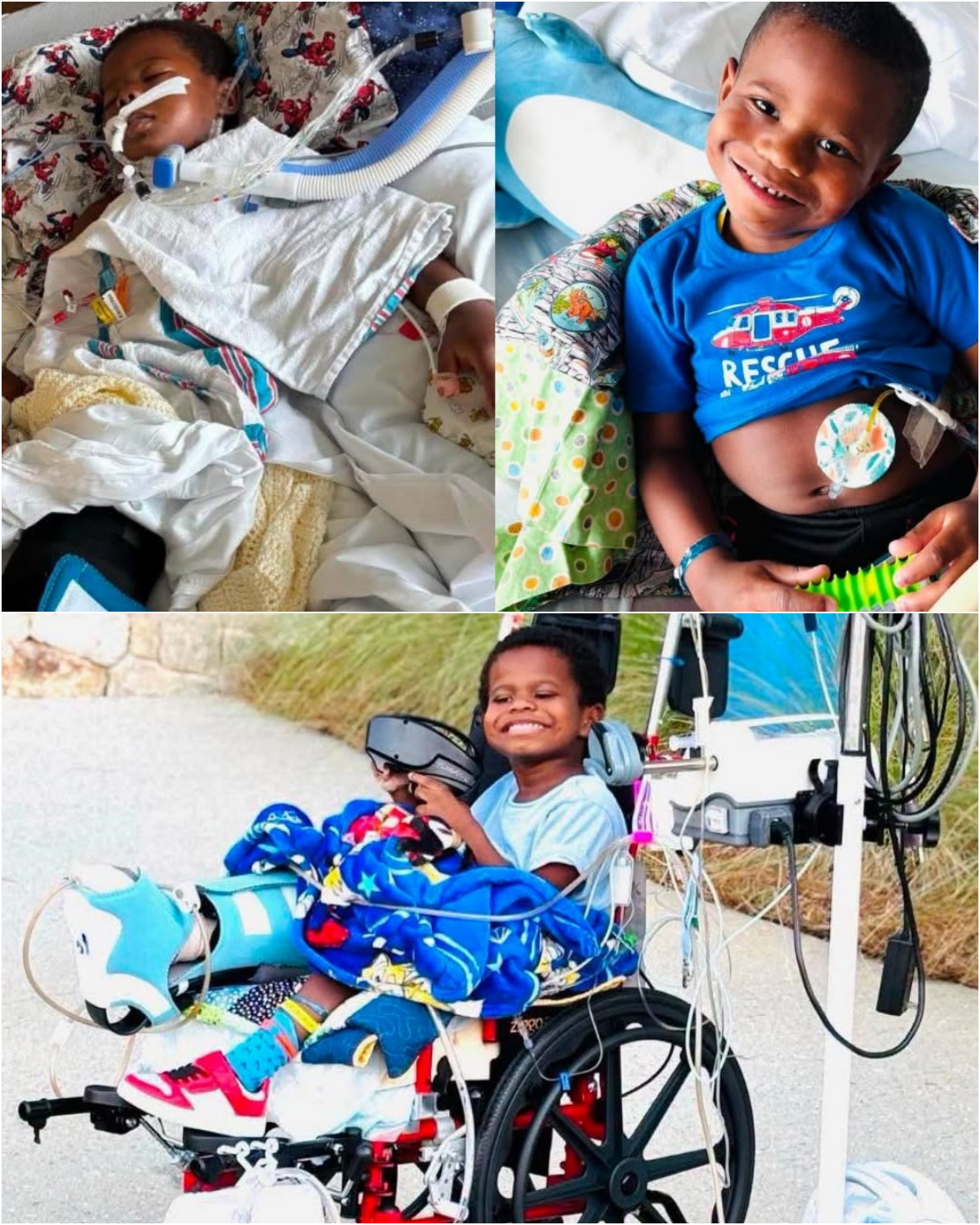
Ultra-short bowel syndrome and intestinal failure mean the gut can no longer absorb enough fluid and nutrition to grow. Mickey’s calories now arrive as total parenteral nutrition—TPN—infused through a central line straight into the bloodstream. The pole and bags in the photographs are not accessories. They are how he stays alive.
TPN is both rescue and risk. A fever that another family might watch overnight is, for a child with a central line, a possible bloodstream infection and an automatic hospital rule-out. Line breaks, clots, and intestinal-failure–associated liver disease sit on the same list. Nearly a year after the accident, his parents reported a new problem: remaining bowel moving the wrong way, stool refluxing into the stomach, persistent vomiting. Doctors, they said, were talking about an intestinal transplant—rare, high-stakes surgery offered at only a handful of U.S. centers, with lifelong immunosuppression if it succeeds.
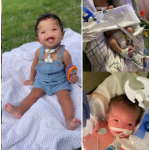
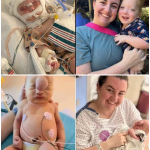
The pictures that travel with the story hold both halves: a smiling boy in a wheelchair piled with blankets and sneakers; the same child intubated in a Disney-print gown; then sitting up in a “Rescue” shirt with a tube at the abdomen. Riding-mower injuries in young children are a known pattern in trauma literature—backovers, blades still engaged, limbs and viscera in the same path. Prevention campaigns exist because the interval between “safe on the porch” and “under the deck” is so short.
Mickey still laughs and plays when energy allows. That is not a denial of the medical update. It is what his family is trying to protect while they wait on lines, labs, and the possibility of a transplant list. The ordinary afternoon is gone. The work now is to keep a child who cannot eat his way to health from having that fact be the only fact about him.
Sources
- Family narrative published as “A Split Second Changed 5-Year-Old Mickey’s Life Forever,” tstories.feji.io, July 16, 2026
- Cleveland Clinic / Mayo Clinic overviews of short bowel syndrome and home parenteral nutrition
- Reviews of pediatric intestinal failure, ultra-short bowel syndrome, and TPN complications (NASPGHAN, ESPGHAN-related literature)
- Public-health and surgical literature on pediatric riding-lawnmower trauma