One Kidney, Two Lives: How Kendra and Maliyah Herrin Were Separated — and How Their Mother Finished the Job
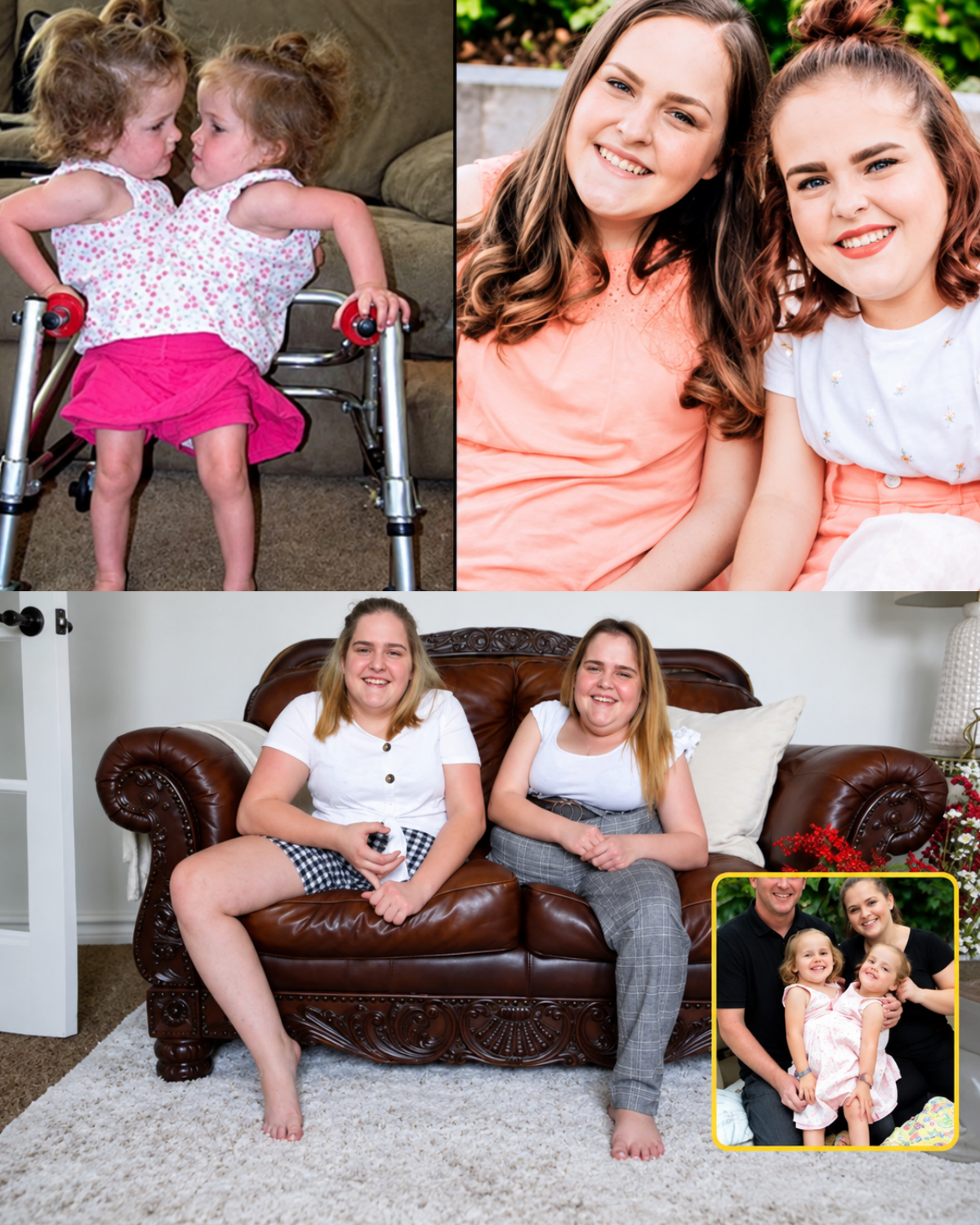
Kendra Deene and Maliyah Mae Herrin were born on 26 February 2002 in Salt Lake City, fused from mid-torso through the pelvis. They were ischiopagus (with omphalopagus features): one abdomen, one pelvis, a shared liver, a shared large intestine, two legs — each girl controlling one — and a single functioning kidney that sat in Kendra’s body. Maliyah’s blood reached that kidney through the liver they both used. Doctors first said they might not survive a day. Then they said they might not survive eight years. Some advised sacrificing one child to save the other. Parents Jake and Erin Herrin refused that bargain.
They waited until the girls were four and a half, old enough that Maliyah could later receive an adult kidney. On 7 August 2006, at Primary Children’s Medical Center, a team led by pediatric surgeon Dr. Rebecka Meyers, with Dr. Michael Matlak and others — six surgeons and about 25 support staff — began work at 7 a.m. They divided the liver last, because that cut ended Maliyah’s access to the shared kidney. The final soft-tissue separation came at 10:50 p.m. The girls were moved into separate rooms for reconstruction of pelvis, bladder and abdominal wall. Combined time was about 26 hours. They went home on 17 September 2006.
Kendra kept the original kidney. Maliyah started dialysis at once. On 3 April 2007 Erin Herrin donated her right kidney. The graft worked immediately. That kidney lasted about ten years. When it failed, Maliyah returned to dialysis and received a second transplant in May 2018; her father later donated into a paired-exchange chain so a matching kidney could reach her.
Each sister grew up with one leg, prostheses and a long list of follow-up operations. They learned to walk with walkers, then independently enough to appear on television, graduate and speak about disability and inclusion. The operation was widely described as the first separation of conjoined twins who shared a single kidney. Ethicists had argued over whether it was right to impose dialysis and transplant risk on Maliyah so both could live apart. The family judged that two incomplete but separate lives were better than one shared body that could not last.
Sources
- Wikipedia, “Kendra and Maliyah Herrin.”
- Deseret News contemporaneous coverage of the 7–8 August 2006 surgery and the 3 April 2007 transplant.
- Associated Press / Washington Post / CBS, August 2006.
- Deseret News, “13 years after being separated, formerly conjoined twins speak out,” December 2019.
- Primary Children’s Medical Center statements via Dr. Rebecka Meyers.