Netflix Reopens Questions About the Police Investigation That Came Before Wade Wilson’s Double Murder
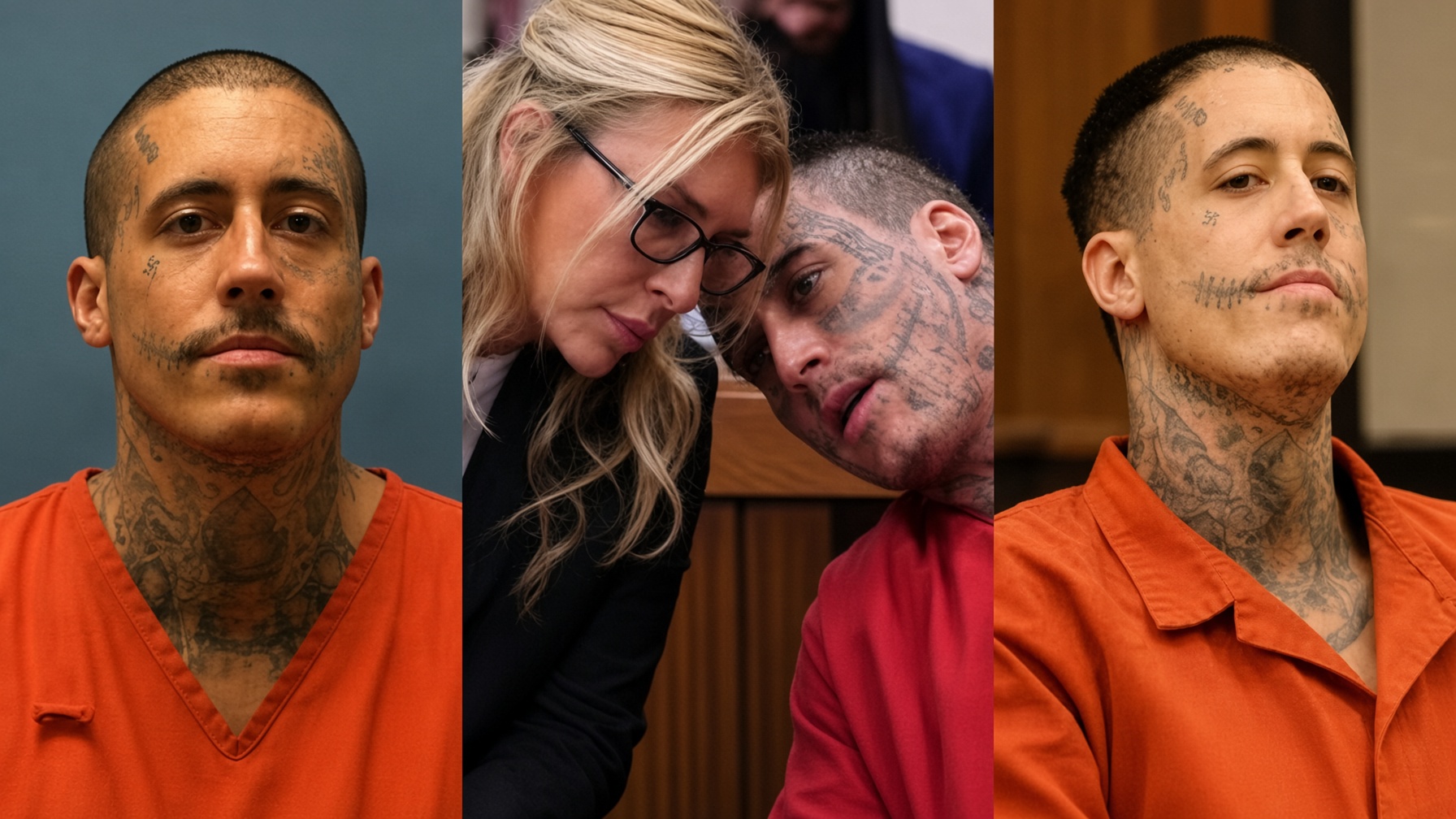
PALM BEACH COUNTY, FLORIDA — A new Netflix true-crime series is putting renewed attention on a case that occurred months before Wade Wilson became known as the “Deadpool Killer” — and on whether a police investigation into allegations against him could have been handled differently.
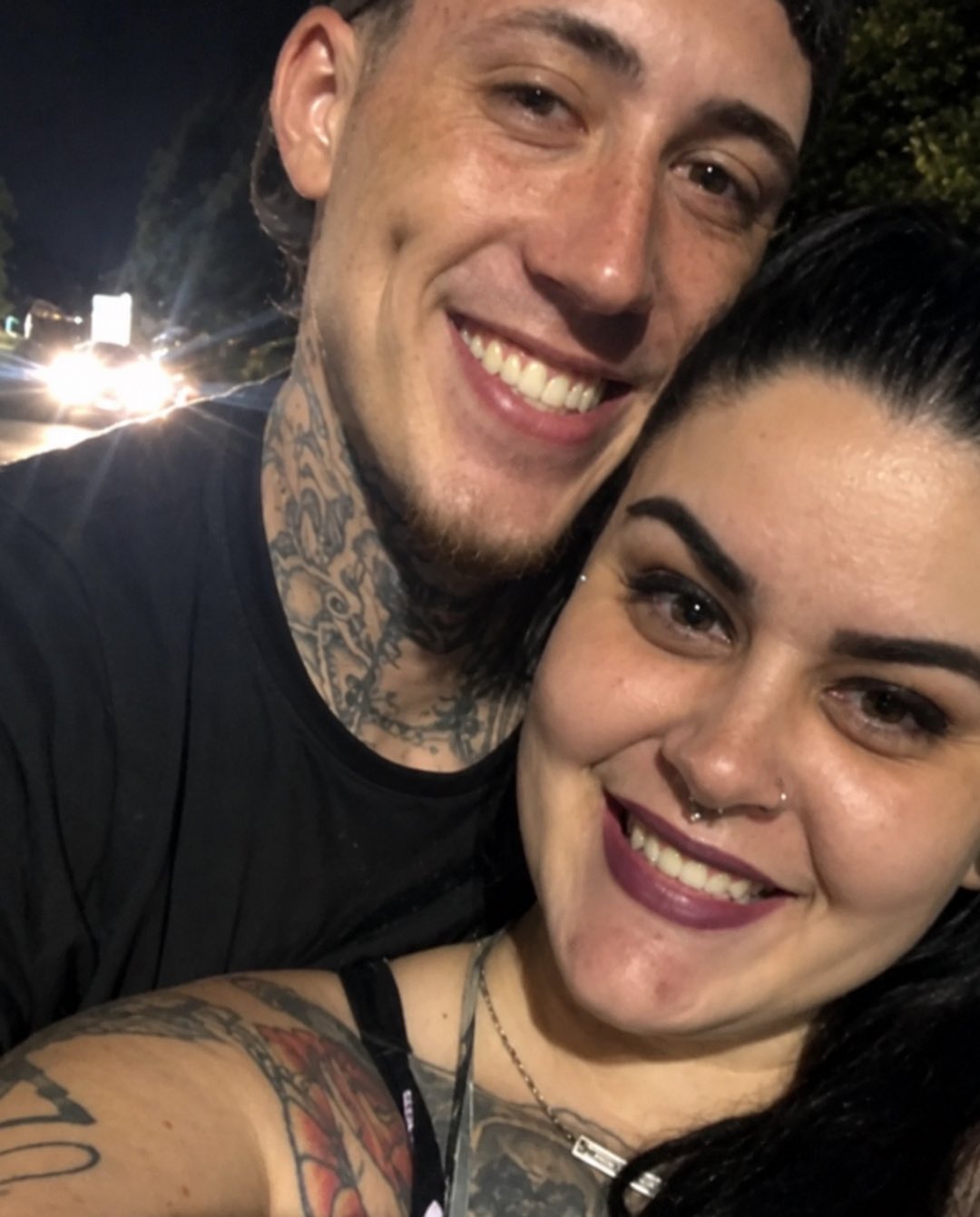
Wilson was later convicted of the 2019 killings of Kristine Melton and Diane Ruiz in Lee County and sentenced to death. But before those crimes, a former girlfriend had already gone to authorities with serious allegations against him.
That earlier investigation was led by Palm Beach County Sheriff’s Office Detective Louis Potter.
An internal review later concluded that Potter did not conduct a sufficiently thorough sex-crimes investigation. The case was closed before DNA results were returned, raising questions that have now been brought back into the national spotlight by Netflix’s Worst Ex Ever.

A Former Girlfriend Reported Wilson Months Before the Murders
In February 2019, Kelly Matthews reported to authorities that Wilson had assaulted her during a violent encounter.
Matthews said Wilson had beaten, threatened, restrained and sexually assaulted her. She also described injuries that she said resulted from the incident.
A medical evaluation and other evidence became part of the investigation.
Detective Louis Potter was assigned to the case and interviewed Matthews before later questioning Wilson.
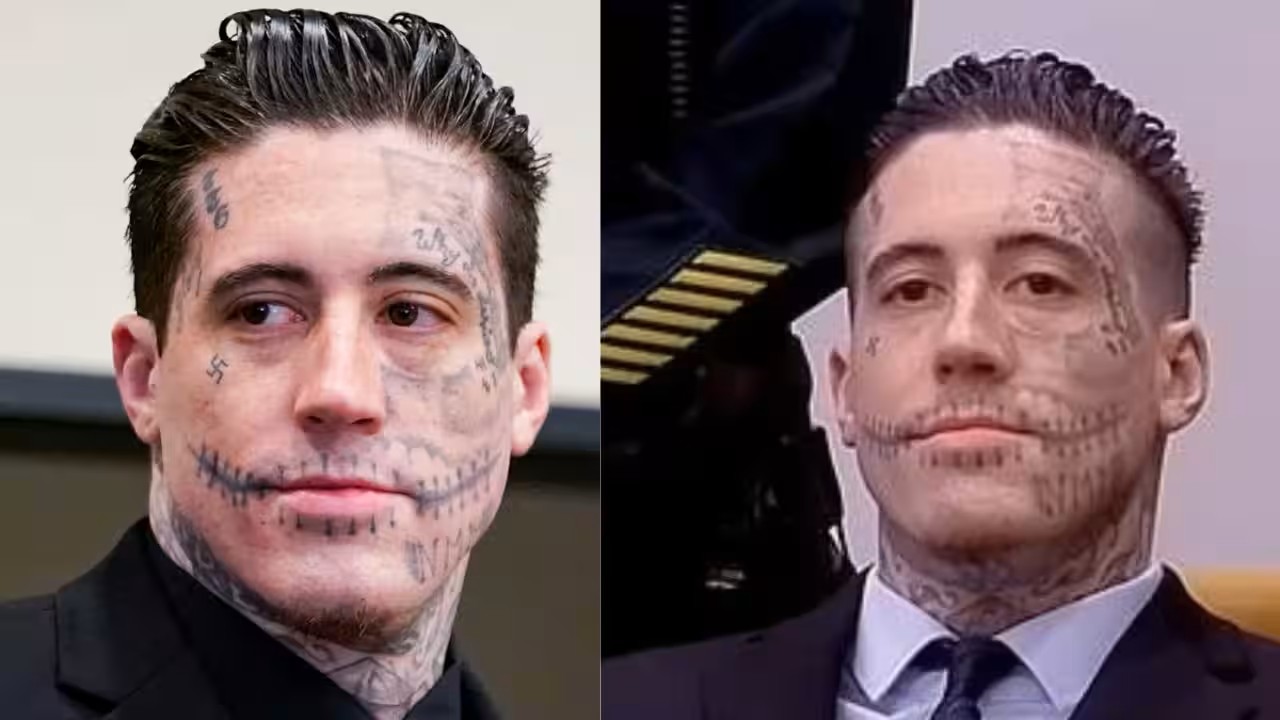
According to reporting and the subsequent internal review, Potter obtained a DNA sample from Wilson during the investigation.
That evidence would later become one of the most heavily criticized parts of the case.
The Investigation Was Closed Before the DNA Results Came Back
According to records reviewed by The Palm Beach Post, Potter closed the investigation only 34 days after it began.
The case was closed before the laboratory had returned the DNA results from Wilson’s sample.
Potter’s report reportedly stated that there were no witnesses, insufficient evidence to establish probable cause and that Wilson continued to deny the allegations.
The internal review later found that the investigation had not been handled in accordance with established procedures.
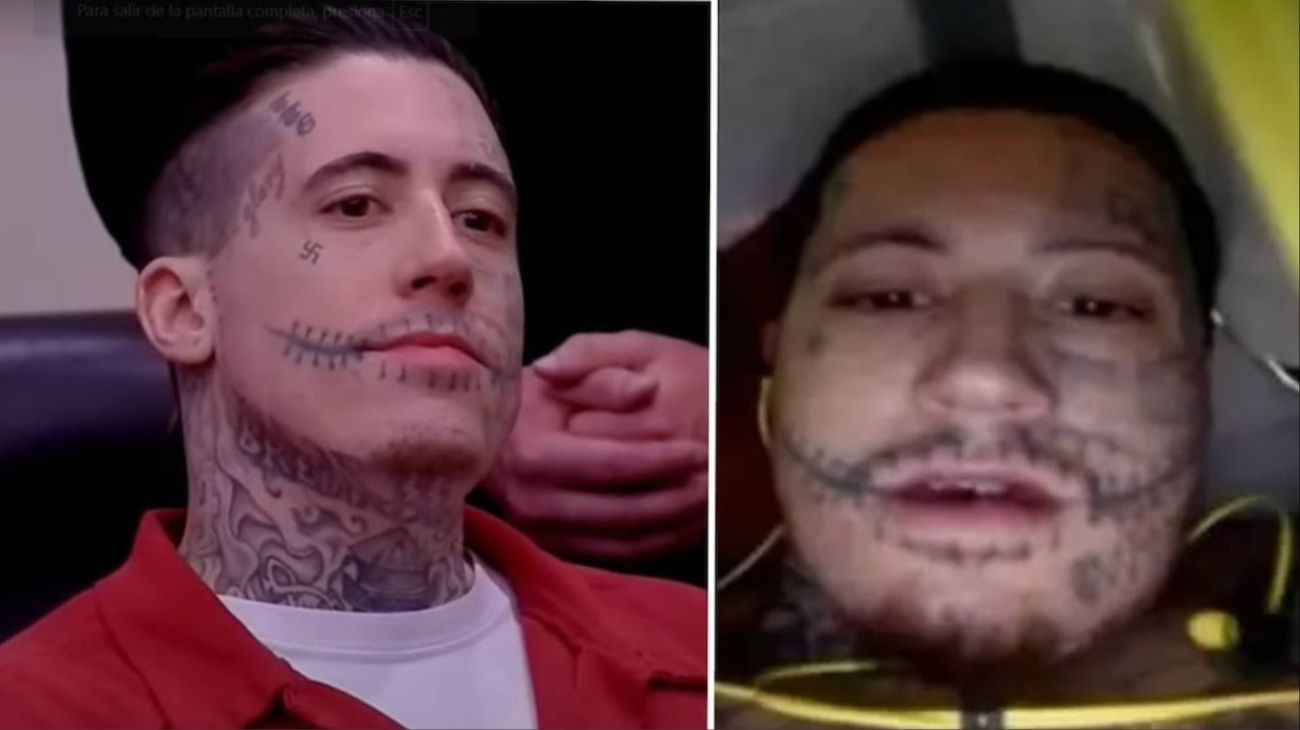
The DNA results eventually came back after the investigation had already been closed.
According to later reporting, the results indicated that Wilson’s DNA was present on evidence connected to the alleged assault. Potter did not reopen the investigation after those results were available.
That sequence has become the central issue in the renewed criticism.
Matthews Says She Begged Police to Act
Matthews has spoken publicly about her experience in the Netflix documentary and in interviews.
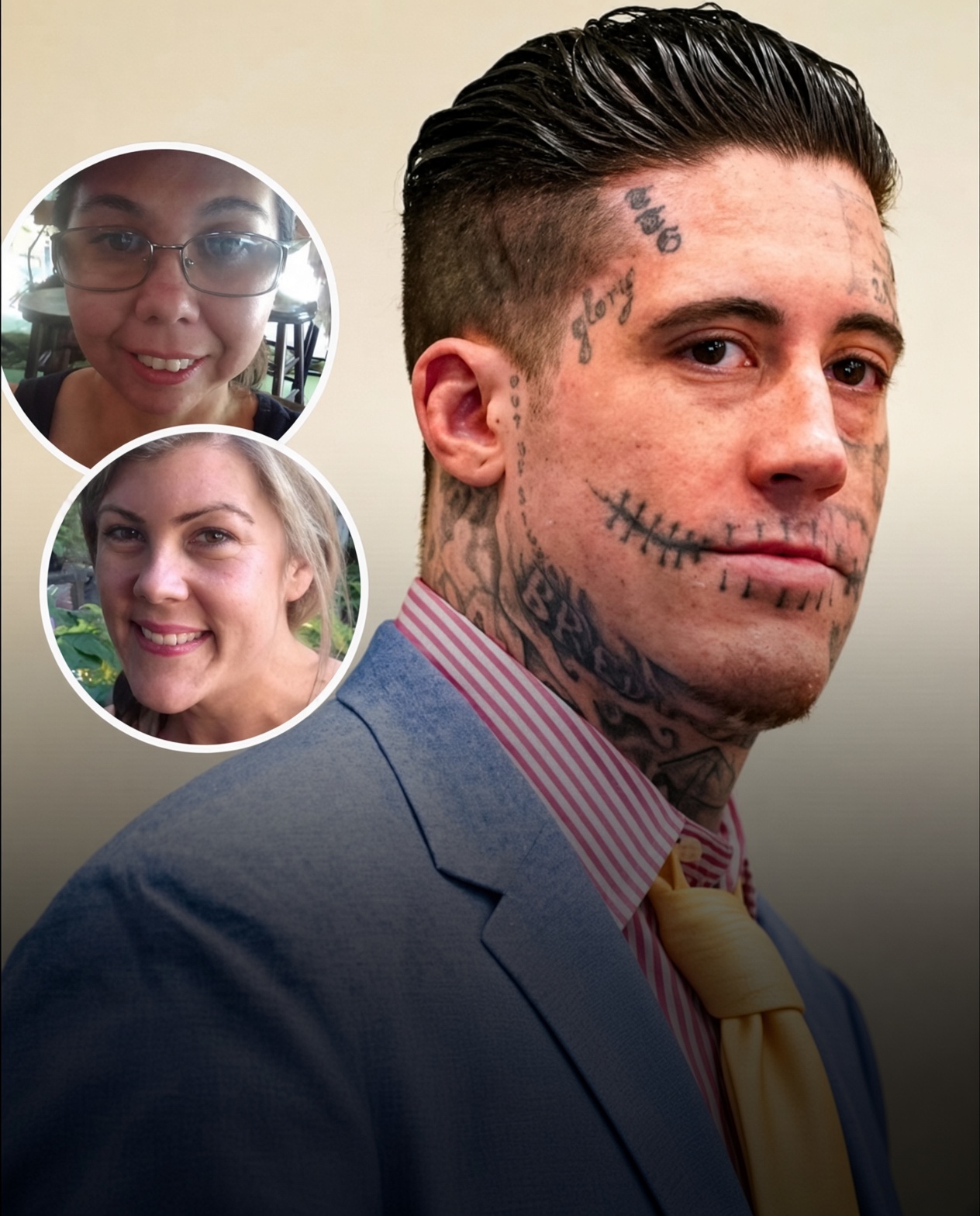
She said she believed Wilson posed a serious danger and wanted police to intervene.
She also criticized the decision to close the investigation despite what she described as injuries and other evidence supporting her account.
The documentary includes recorded interviews involving Matthews, Wilson and Potter, allowing viewers to hear portions of the investigation themselves.
The renewed attention has led to public criticism of Potter’s handling of the case.
An online petition calling for his dismissal reportedly gathered more than 16,000 signatures.

Internal Review Found Problems With Potter’s Investigation
The criticism is not based solely on the Netflix documentary.
Palm Beach County Sheriff’s Office conducted an internal review after Matthews filed a formal complaint.
Investigators reviewing the case concluded that Potter had exercised poor judgment and had failed to conduct a thorough investigation.
The review reportedly found that evidence collected during the case, including injuries and physical evidence connected to the alleged assault, supported a stronger investigation than the one ultimately conducted.
Potter was disciplined and reassigned from the special victims unit.
According to Palm Beach County Sheriff’s Office, he received a 120-hour suspension and was moved to road-patrol duties. He eventually retired from the department on July 31, 2026.
The department has said it reviewed the matter thoroughly and maintained that appropriate discipline was imposed.
Then Came October 7, 2019
Approximately eight months after Matthews’ allegations, Wade Wilson was involved in the deaths of two women in Lee County.
The victims were 35-year-old Kristine Melton and 43-year-old Diane Ruiz.
Investigators eventually arrested Wilson, and evidence presented during his later trial linked him to both killings.
The connection between the February investigation and the October crimes is the reason the earlier police case has received so much scrutiny.
Officials have been careful, however, not to claim that arresting Wilson in February would definitely have prevented the later killings.
That remains impossible to establish.
Former State Attorney Dave Aronberg, who was in office at the time, told WPTV that the case was tragic and acknowledged that different decisions might have changed the outcome, while also warning against judging every earlier decision solely through the lens of what happened later.
Wilson Was Eventually Convicted in Both Killings
Wilson was arrested after the October 2019 crimes and eventually faced trial in Lee County.
In June 2024, a jury found him guilty of two counts of first-degree murder.
Two months later, in August 2024, a judge sentenced him to death for both killings.
His case attracted enormous public attention, in part because of his name’s similarity to the Marvel character Deadpool and because of the disturbing circumstances presented during his trial.
Wilson remains imprisoned on Florida’s death row.
His Death Sentences Are Still in Effect
Wilson’s legal case has not ended.
His attorneys have challenged aspects of the death sentences, particularly issues surrounding Florida’s revised capital-punishment rules and the jury recommendations that preceded the sentences.
According to current reporting, he remains at Union Correctional Institution in Raiford, Florida, where the state’s male death-row prisoners are housed.
There is currently no execution date publicly scheduled.
That means the legal process remains ongoing even though the convictions and death sentences remain in place.
Netflix Turns the Spotlight Back to the Earlier Investigation
The Netflix series Worst Ex Ever has brought the February 2019 investigation back to public attention through interviews and previously recorded police material.
Rather than focusing only on the later murders, the episode examines the relationship between Wilson and Matthews and the steps taken — and not taken — after she reported the alleged assault.
The documentary has prompted renewed criticism of law enforcement decisions and raised questions about how much weight investigators should give physical evidence, victim statements and forensic testing when a suspect denies allegations.
Those questions extend beyond the Wilson case.
They are part of a broader national discussion about how police respond to reports of intimate-partner and sexual violence.
Potter Has Now Left the Sheriff’s Office
One major difference between the original Palm Beach Post report and the current situation is Potter’s employment status.
When earlier stories about the case were published, he was still working for the Palm Beach County Sheriff’s Office.
That is no longer the case.
PBSO confirmed that Potter retired effective July 31, 2026. The agency said his retirement was his own decision after the earlier internal review and disciplinary action.
The sheriff’s office has also emphasized that personnel matters were handled through internal procedures and that it remains committed to accountability.
What Can — and Cannot — Be Concluded?
The timing is difficult to ignore.
Wilson was investigated for serious allegations in February 2019.
The investigation was closed before DNA results were returned.
Months later, Wilson killed two women.
But that timeline does not prove that a different police decision would have stopped the October crimes.
It does, however, explain why the handling of the earlier case has become the subject of intense scrutiny.
The internal review established that Potter’s investigation failed to meet the department’s standards. The more difficult question — whether that failure directly contributed to the later deaths — cannot be answered with certainty.
The Victims Remain at the Center of the Story
Amid the renewed discussion about police decisions and the Netflix documentary, the people at the center of the case remain the women who suffered the consequences of Wilson’s violence.
Matthews survived the alleged assault and later became a public voice in the discussion surrounding the investigation.
Melton and Ruiz did not survive their encounters with Wilson.
Their deaths ultimately led to murder convic