Wade Wilson Case Revisited as Netflix Exposes Questions About an Earlier Police Investigation
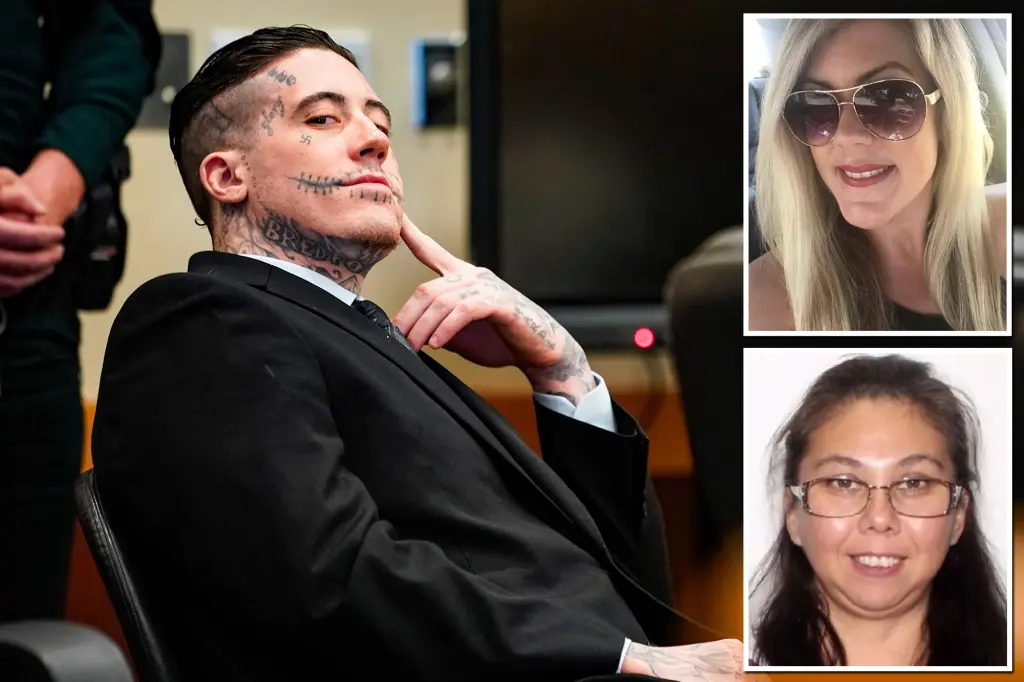
PALM BEACH COUNTY, FLORIDA — A Netflix true-crime documentary has brought renewed attention to an investigation that took place months before Wade Wilson was convicted of killing two Florida women — and to questions about whether police could have handled the earlier case differently.
Wilson, who later became widely known by the nickname “Deadpool Killer,” was convicted of the 2019 murders of Kristine Melton and Diane Ruiz and sentenced to death in 2024.
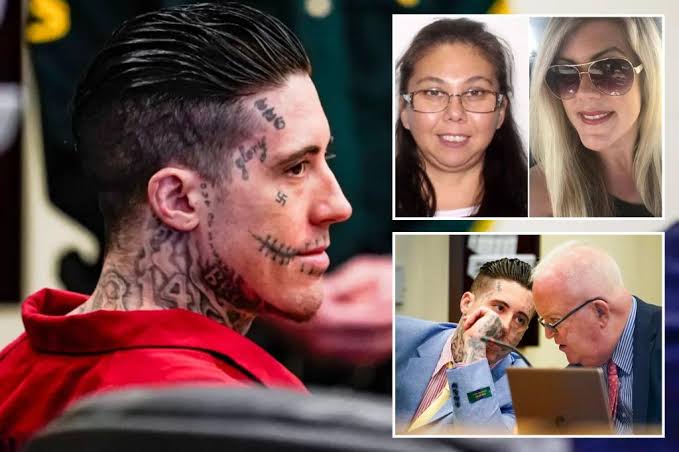
But before those killings, Wilson had already been the subject of a serious criminal investigation in Palm Beach County after a former girlfriend reported that he had assaulted her.
That investigation was handled by Palm Beach County Sheriff’s Office Detective Louis Potter.
Years later, an internal review concluded that Potter failed to conduct a sufficiently thorough sex-crimes investigation. The review found that Wilson’s DNA had been collected but the case was closed before the laboratory results were available.
The Earlier Complaint Came Months Before the Murders
In February 2019, Wilson’s former girlfriend, Kelly Matthews, contacted law enforcement and reported an alleged violent sexual assault.
Matthews described injuries she said she sustained during the encounter and sought medical treatment.
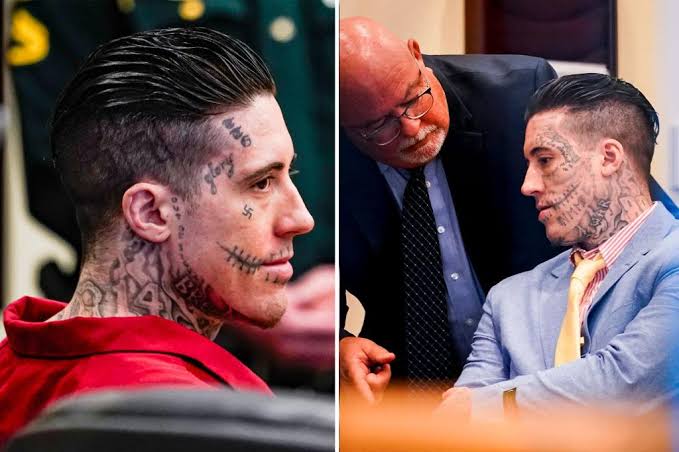
Detective Potter was assigned to investigate.
He interviewed Matthews and later spoke with Wilson, who denied the allegations.
During the investigation, Potter obtained a DNA sample from Wilson. According to records reviewed by The Palm Beach Post and WPTV, however, the investigation was closed only 34 days after it began, before the DNA results had returned.
That timing became one of the central issues when the case was reviewed years later.
The Case Was Closed Before the DNA Results Came Back
According to the internal review, Potter stated in his report that there were no witnesses, insufficient evidence to establish probable cause and that Wilson continued to deny the allegations.
The investigation was closed on March 25, 2019.
But the DNA testing was not yet complete.
When the results subsequently came back, investigators found Wilson’s DNA on evidence connected to the complaint, according to the later internal review. Potter did not reopen the case after receiving those results.
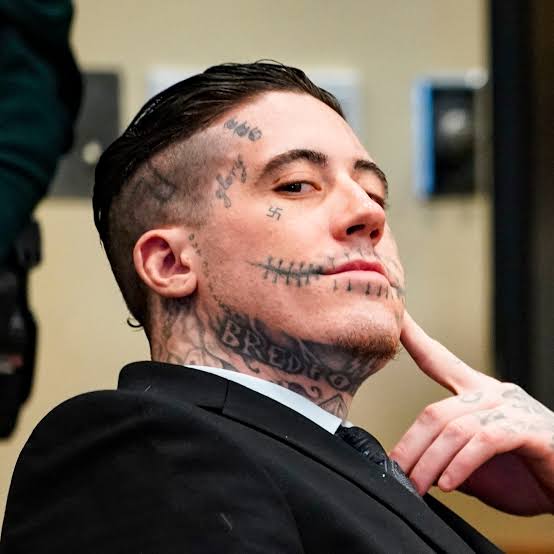
That finding became a major reason for the later criticism of how the investigation had been handled.
It also became a central storyline in Netflix’s Worst Ex Ever, which revisited the case through interviews and recorded police footage.
Matthews Says She Wanted Police to Act
Matthews has spoken publicly about what she believes went wrong.
She told WPTV that she had asked police to intervene and was upset that Wilson was not arrested during the investigation.
Her later complaint against Potter, filed in 2022, triggered the internal review.
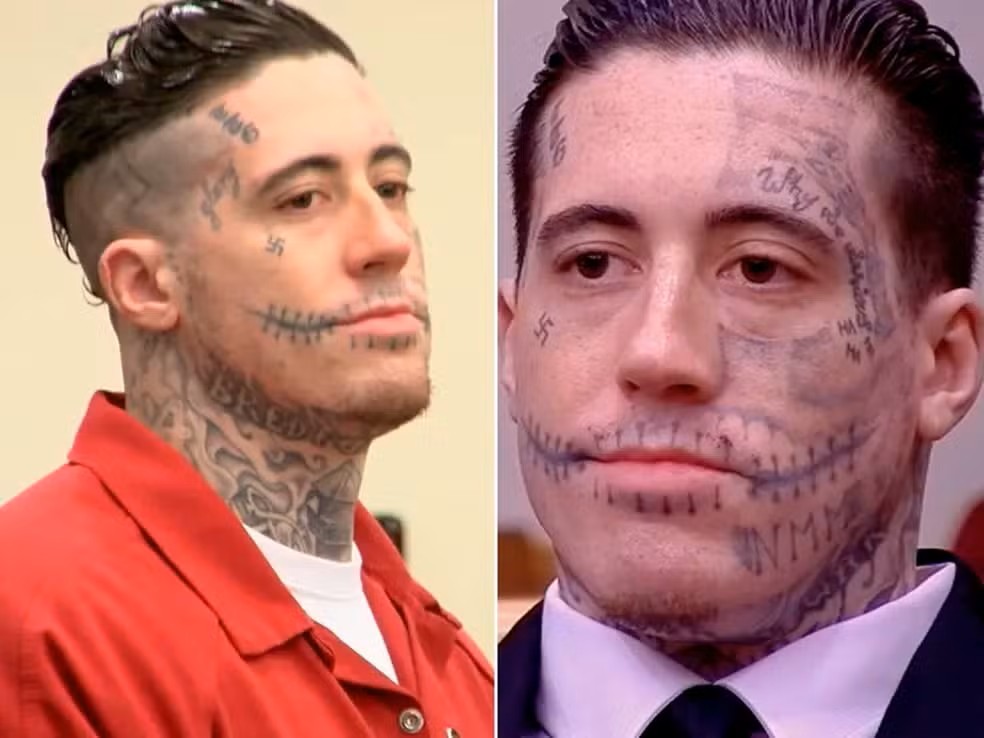
According to the complaint, Matthews argued that a different outcome could potentially have prevented Wilson from later harming other women.
That, however, remains a claim rather than something that can be established with certainty.
There is no way to know whether an arrest in February 2019 would necessarily have prevented the October killings.
The Netflix Documentary Put the Detective Under a New Spotlight
The second season of Netflix’s Worst Ex Ever examines Wilson’s relationship with Matthews and the investigation that followed her allegations.
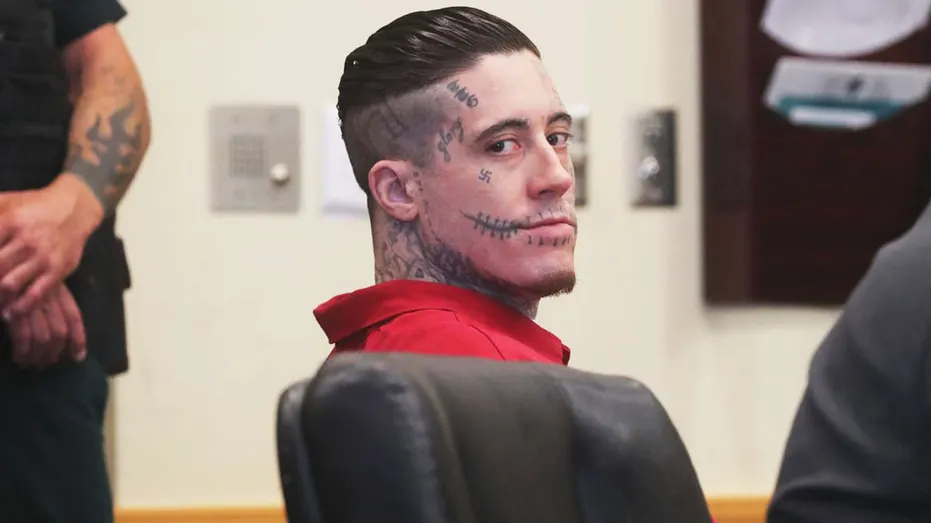
The documentary includes footage of Potter interviewing Wilson.
That footage has prompted renewed public scrutiny of Potter’s approach, particularly his handling of Wilson’s denials during the interview.
Matthews told WPTV that she did not know about some of Potter’s statements during the interview until she watched the documentary.
The renewed attention generated an online petition calling for Potter to be fired, which reportedly collected more than 16,000 signatures.
An Internal Review Found Policy Problems
The criticism of Potter is not based solely on reactions to the Netflix documentary.
Palm Beach County Sheriff’s Office conducted an internal investigation after Matthews complained about how her case had been handled.
The review concluded that Potter exercised poor discretionary judgment and failed to follow established agency procedures.
Investigators specifically identified the decision to close the case before the DNA results were reviewed.
The review also concluded that Potter failed to pursue the matter further after those results became available.
The sheriff’s office subsequently disciplined him.
Potter Was Suspended and Later Retired
PBSO suspended Potter for 120 hours without pay.
He was also removed from the Special Victims Unit and reassigned to other duties.
The sheriff’s office later confirmed that Potter chose to retire, effective July 31, 2026.
PBSO said the internal review was conducted to determine whether its policies and professional standards had been followed.
The agency characterized the matter as one involving poor judgment and procedural violations rather than publicly concluding that Potter deliberately ignored evidence.
That distinction is important when describing the case.
Then Came October 7, 2019
Only months after the Palm Beach investigation ended, Wilson was involved in the deaths of two women in Lee County.
On October 7, 2019, he killed Kristine Melton, 35, and Diane Ruiz, 43, according to the criminal case against him.
Investigators arrested Wilson the following day.
The later connection between the two cases is what has made the earlier Palm Beach investigation such a significant part of the story.
But authorities have not established that Potter’s decisions were the cause of the later murders.
The issue remains one of investigative handling and missed opportunities rather than a proven causal chain.
Wilson Was Eventually Convicted
Wilson’s Lee County case eventually went to trial.
In June 2024, a jury found him guilty of two counts of first-degree murder.
In August 2024, he was sentenced to death for both killings.
The convictions and sentences remain in the appellate process.
Wilson remains imprisoned on Florida’s death row.
His Death Sentence Is Still Being Appealed
The death sentence did not end the legal proceedings.
Wilson’s case remains before the Florida Supreme Court as part of the mandatory appellate process.
Current reporting indicates that no execution date has been scheduled for him.
Florida has continued carrying out executions in 2026, but Wilson is not among the prisoners with an active execution warrant or scheduled execution date listed in the current Death Penalty Information Center records.
What the Earlier Investigation Shows
The Palm Beach investigation raises several questions that extend beyond this particular case.
How should detectives respond when a victim reports a serious sexual assault but the suspect denies it?
How long should an investigation remain open while forensic evidence is pending?
And what steps should investigators take when laboratory results later provide information that was not available when the initial report was written?
The internal review provides one answer in this case: according to investigators reviewing Potter’s work, the procedures followed were inadequate.
But whether better decisions in February or March 2019 would have changed what happened in October cannot be established after the fact.
Former State Attorney Urged Caution
Former Palm Beach County State Attorney Dave Aronberg, who was in office during the 2019 investigation, has described the situation as tragic.
He also cautioned against judging individual decisions entirely through hindsight.
Aronberg said the case never reached his office during the original investigation and indicated that additional review by prosecutors could have occurred had it been referred to them.
That perspective highlights the difference between identifying investigative shortcomings and claiming certainty about what would have happened under a different set of circumstances.
The Victims and Survivor Remain Central
Matthews survived the earlier alleged assault and has continued speaking publicly about the case.
Melton and Ruiz were later killed by Wilson.
Their deaths ultimately resulted in two first-degree murder convictions and two death sentences.
The renewed attention therefore involves three different victims across two investigations, while also raising broader questions about how law enforcement handles reports of sexual violence and intimate-partner abuse.
Netflix Changed the Public Conversation
When Wilson was arrested and later convicted, the earlier Palm Beach investigation received far less national attention.
Netflix’s documentary changed that.
By showing interviews and revisiting the earlier complaint, the series allowed a much larger audience to examine decisions that had previously been documented mainly in police and internal-affairs records.
That does not create new evidence by itself.
But it has brought renewed public scrutiny to a case that officials had already reviewed internally.
Latest Status — September 16, 2026
As of September 16, 2026, Wade Wilson remains incarcerated on Florida’s death row following his convictions for the 2019 murders of Kristine Melton and Diane Ruiz. His mandatory appeal remains pending, and no execution date has been publicly scheduled.
Detective Louis Potter is no longer employed by the Palm Beach County Sheriff’s Office. He received a 120-hour suspension, was reassigned after the internal review and retired on July 31, 2026.
The internal review concluded that Potter did not conduct a sufficiently thorough investigation of Matthews’ 2019 allegations, including closing the case before DNA results were available and failing to follow up after those results were returned.
What remains impossible to determine is whether a different decision in that earlier investigation would have prevented the October 2019 murders.
What is documented is that the investigation was later found to have fallen short of Palm Beach County Sheriff’s Office procedures.
The Netflix series has reopened a difficult question: when serious warning signs appear before a later crime, how should investigators and agencies respond — and what can be learned when those decisions are reviewed years afterward?
Sources
The Palm Beach Post: August 12, 2026 report examining the Netflix documentary and the earlier Palm Beach County investigation.