THE BRÜCKNER QUESTION: NEW EVIDENCE, OLD SUSPICIONS AND THE MYSTERY THAT STILL HAS NO ENDING
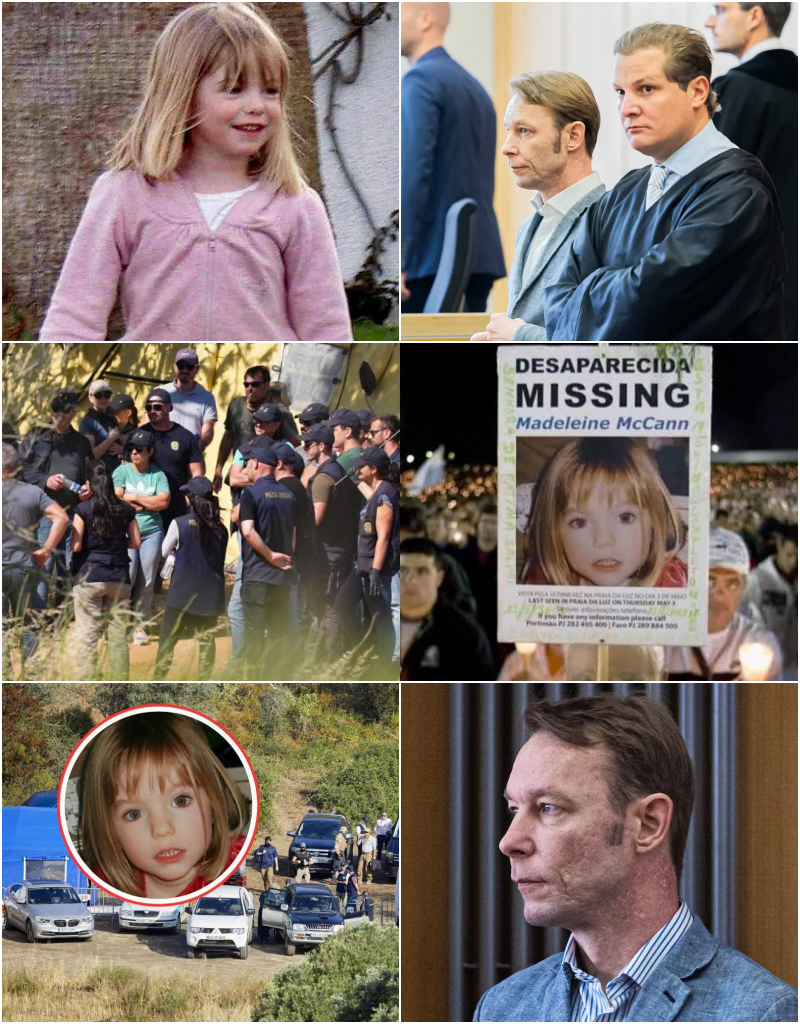
The name Christian Brückner has been connected to the Madeleine McCann investigation for years.
But in 2026, the question surrounding him is no longer simply why investigators suspect him. The bigger question is whether authorities can produce evidence strong enough to establish what happened to Madeleine—and ultimately support a criminal prosecution.
That distinction has become increasingly important following reports that Scotland Yard has received a dossier containing material concerning Brückner.
The reported handover has generated headlines suggesting a major breakthrough. Some reports have described the files as containing potentially explosive or crucial evidence. Yet no official announcement has confirmed that the material proves Brückner was responsible for Madeleine’s disappearance.
That leaves the case in a strange position.
There is a clearly identified suspect.
There is a long-running international investigation.
There are years of investigative material.
There have been searches of locations connected to the investigation.
And yet there is still no charge against Brückner in the Madeleine case.
Madeleine disappeared on May 3, 2007, from Praia da Luz in Portugal. She was three years old.
Her disappearance immediately triggered an international search. Over the years, investigators considered countless possibilities and examined a huge amount of information. The case eventually became one of the most widely followed missing-child investigations in modern history.
In 2020, German authorities publicly identified Brückner as a suspect and said they believed Madeleine was dead.
Brückner rejected the allegations.
Since then, investigators have continued examining the evidence surrounding him.
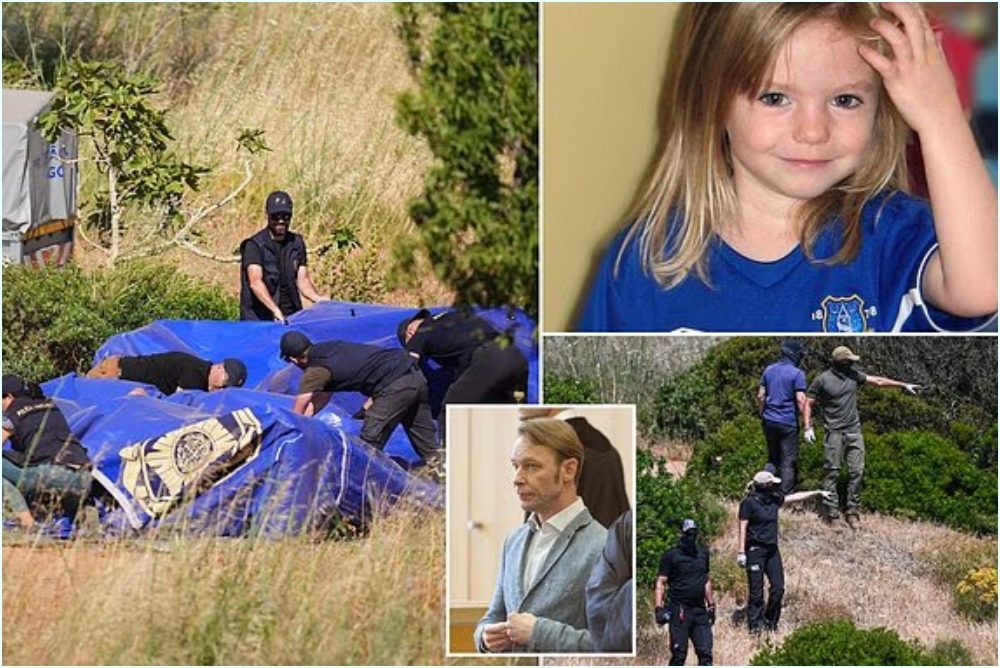
The German investigation has reportedly included digital material, witness information and searches of locations associated with Brückner. In June 2025, German police, working with Portuguese authorities, carried out a substantial search in the Algarve. Investigators used heavy machinery and ground-search technology while examining areas believed to have potential relevance to the investigation.
But no publicly confirmed discovery from that operation established Madeleine’s whereabouts.
That is why the 2026 dossier is attracting attention.
If the files contain genuinely new material, investigators may be able to revisit previously examined evidence with a different perspective. A seemingly minor piece of information can sometimes become significant when combined with other evidence.
But this is also where public expectations can become dangerous.
A dossier is not automatically proof.
A photograph is not automatically proof.
A witness statement is not automatically proof.

And a suspect’s previous criminal history cannot substitute for evidence establishing responsibility in a separate case.
Brückner has a criminal record, including a conviction for an unrelated rape in Portugal for which he served a prison sentence. He was also acquitted in 2024 of five other sexual offences, although that acquittal is now the subject of an appeal process in Germany.
None of those proceedings constitute a conviction for Madeleine’s disappearance.
The distinction is essential.
The January 11, 2027 hearing is particularly likely to attract attention because of Brückner’s profile in the Madeleine investigation. However, the hearing concerns the appeal relating to the separate sexual-offence proceedings. It should not be presented as the beginning of a Madeleine murder trial.
Meanwhile, British police continue to maintain that Operation Grange is active.
That means the investigation has not reached a public conclusion.
The Metropolitan Police has confirmed that it remains in close contact with authorities in Germany and Portugal and continues to pursue viable investigative lines.
For investigators, the next challenge is therefore clear.
They must determine whether the new material can be corroborated.
They must establish whether information contained within it can be connected to the events of May 3, 2007.
And if investigators believe they have sufficient evidence, prosecutors would ultimately have to determine whether a criminal case can proceed.
That is a much higher threshold than public suspicion.
For almost 20 years, the Madeleine case has repeatedly experienced moments of intense media attention. New witnesses, new theories, searches and alleged discoveries have periodically generated headlines before failing to produce a definitive answer.
The latest dossier could eventually prove more significant.
But right now, that remains a possibility rather than an established fact.
Madeleine has still not been found.
Brückner has still not been charged in her disappearance.
And no court has established what happened to her.
That may sound frustrating after so many years, but it is precisely why the latest development must be understood carefully.
The investigation is moving.
The evidence is still being examined.
But the final answer has not yet arrived.
And until investigators can demonstrate what the new material proves, the Madeleine McCann mystery remains unresolved.