HE’S BEHIND BARS. HE WAS CONVICTED OF MURDER. SO WHY DOES HE STILL ATTRACT ATTENTION?
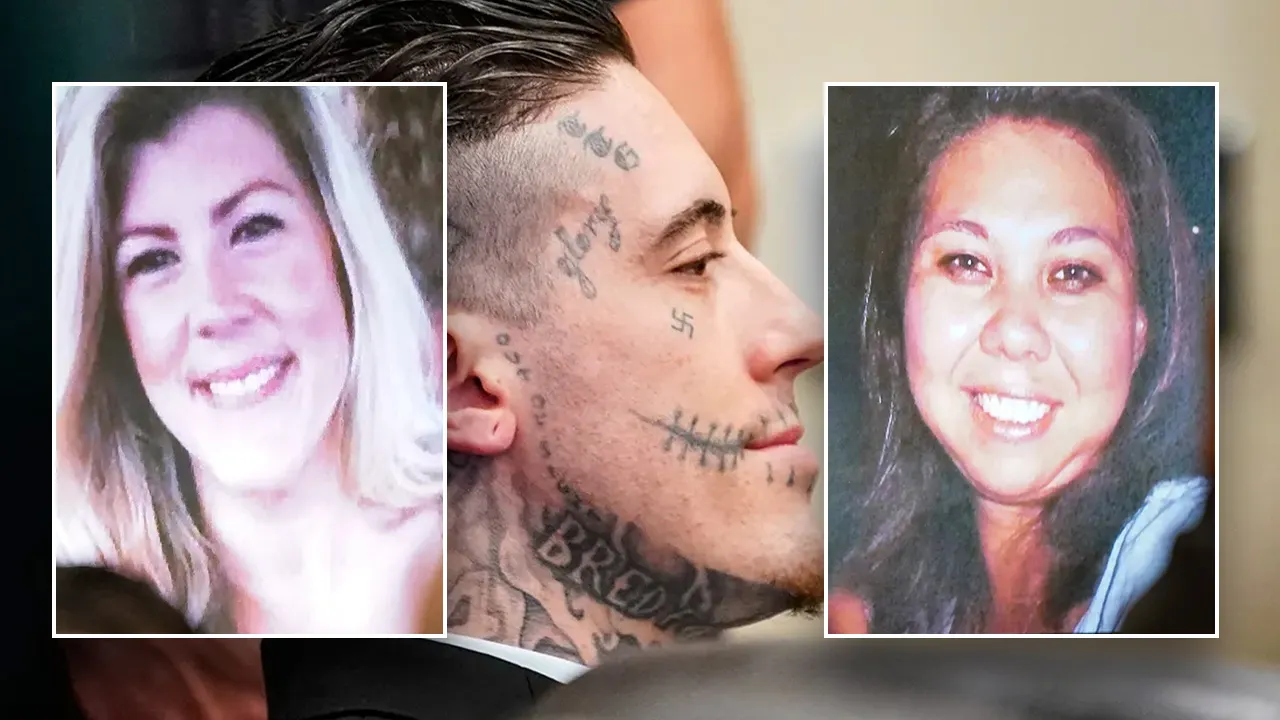
HE’S BEHIND BARS. HE WAS CONVICTED OF MURDER. SO WHY DOES HE STILL ATTRACT ATTENTION?
Wade Wilson was convicted in the 2019 killings of Kristine Melton and Diane Ruiz and sentenced to death.
Yet his case continues to attract attention from some female supporters, prompting a difficult question about how people respond to individuals accused or convicted of extreme violence.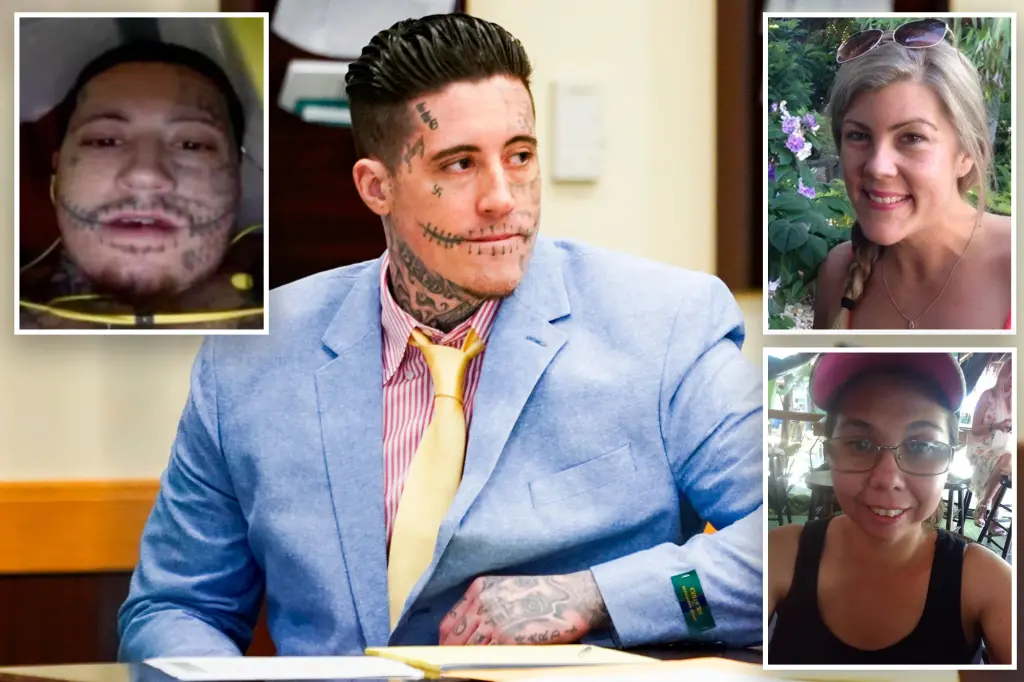
Psychologists and researchers have discussed several possible factors behind this phenomenon, including physical attraction, parasocial attachment, fascination with notorious criminals, media exposure, and the tendency to separate a person’s appearance from their documented actions.
Some supporters may describe Wilson as “misunderstood,” while others strongly reject that characterization.
But fascination with a notorious figure does not change the facts established by a criminal conviction.
The more uncomfortable question may be this:
Why can charisma, appearance, or a compelling personal narrative sometimes overshadow the suffering of victims and their families?
Understanding that phenomenon does not excuse the crimes. It simply raises questions about human psychology, media culture, and the way society responds to notorious offenders.