Juliana Wetmore: The Remarkable Journey of a Girl Born With Severe Treacher Collins Syndrome
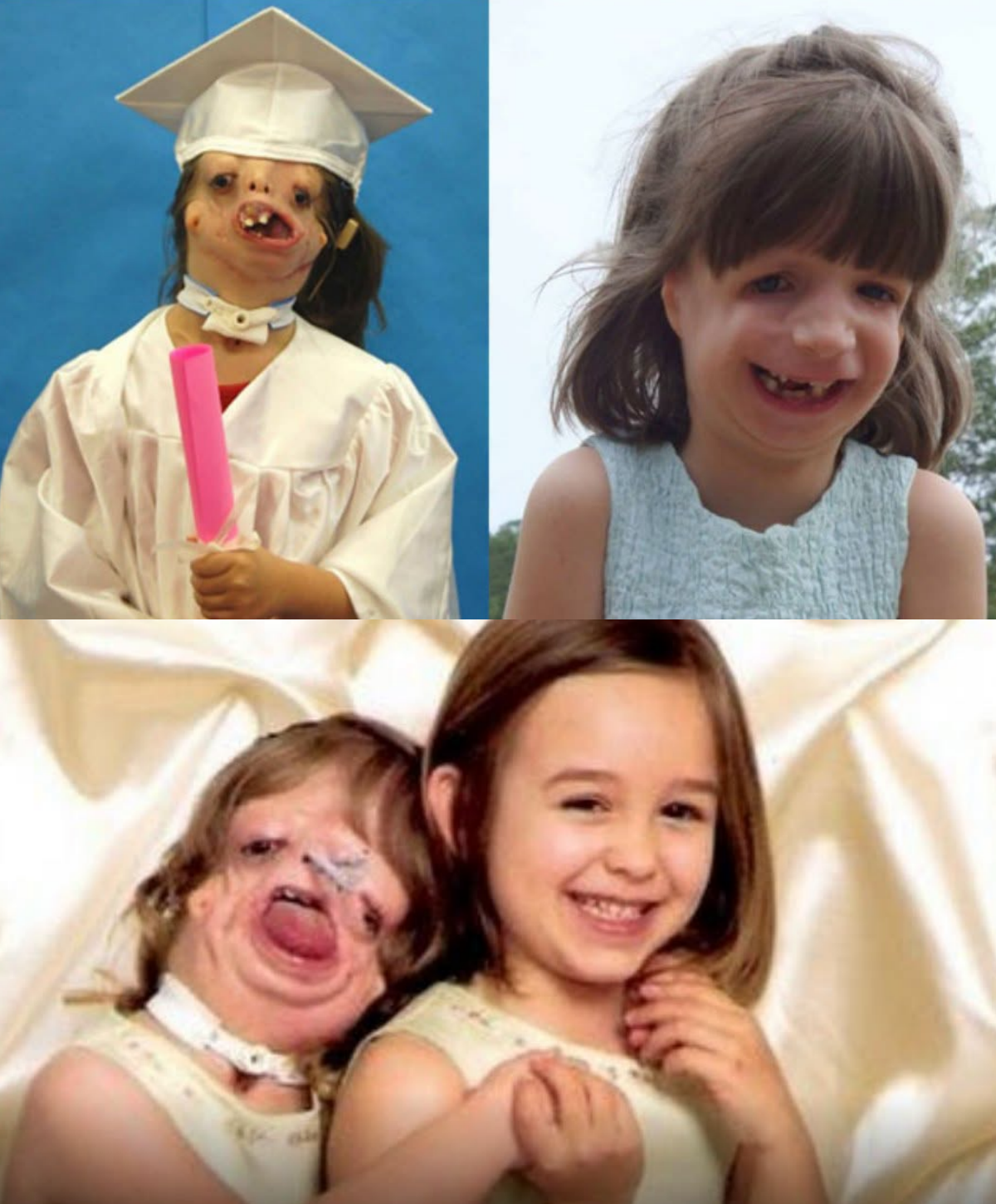
When Juliana Wetmore was born in Florida in 2003, her family and doctors immediately understood that she was facing an extraordinary medical challenge. She had a severe form of Treacher Collins syndrome (TCS), a rare genetic disorder that affects the development of the bones and soft tissues of the face.
Treacher Collins syndrome can vary considerably in severity. In severe cases, underdevelopment of the jaw and other facial structures can interfere with breathing, feeding, hearing and vision, requiring coordinated care from specialists in craniofacial surgery, pediatrics, otolaryngology, audiology and other fields.
Born With Profound Facial Differences
Juliana’s case was particularly severe. Medical reports from Miami Children’s Hospital described her as being born without many of the facial bones normally present, including significant portions of the cheekbones and upper jaw, as well as abnormalities involving the eye sockets and ears.
Her early medical care focused on keeping her alive and supporting essential functions. According to an account published by the Children’s Craniofacial Association, Juliana required a tracheostomy and a gastrostomy tube shortly after birth to help her breathe and receive nutrition. Her first craniofacial procedures began when she was still an infant.
The challenges did not end after those initial procedures. Treacher Collins syndrome is a condition in which treatment is often staged over many years, with different operations addressing the airway, jaw, eye area, facial bones, palate and ears at different stages of development.
A Long Road of Reconstruction
Juliana’s family traveled from northeastern Florida to Miami to obtain specialized craniofacial care. At Miami Children’s Hospital, surgeon S. Anthony Wolfe and a multidisciplinary team performed a series of reconstructive procedures.
By the age of two, Juliana had already undergone numerous operations. One major procedure involved repairing a defect in her skull and lengthening her lower jaw. Hospital records noted that it was her 15th surgery at that point.
Another hospital publication reported that doctors expected her treatment to require many additional operations as she grew. Rather than being a single transformation, her reconstruction was a long-term process designed to address her changing anatomy throughout childhood.
This approach reflects the broader medical management of severe Treacher Collins syndrome. Specialists often have to balance immediate concerns such as airway protection with longer-term reconstruction of the facial skeleton and hearing structures.
Her Story Reached Millions
Juliana’s experience became widely known through the documentary “Born Without a Face,” which followed her family and medical treatment. The program brought attention to her condition and to the specialized care required by children born with severe craniofacial differences.
A Miami Children’s Hospital publication later noted that Juliana’s story helped educate the public about children living with craniofacial differences. Her case showed viewers that a dramatic facial condition does not define a child’s personality, intelligence or potential.
As she grew older, reports documented significant progress. By 2014, when she was 11, Juliana had undergone approximately 45 surgeries over the course of her childhood and was able to attend school, communicate verbally and use sign language.
Her progress was particularly significant given the severity of her condition at birth.
More Than a Surgical Transformation
Juliana’s story is sometimes presented simply as a dramatic physical transformation, but the medical reality is more complex. Treacher Collins syndrome is a lifelong genetic condition, and reconstructive surgery does not eliminate the underlying disorder.
Instead, treatment can address individual functional and structural problems over time. Depending on the person’s needs, care may include airway management, feeding support, hearing rehabilitation, speech therapy and multiple reconstructive procedures during childhood and adolescence.
Juliana’s journey consequently became a story not only about surgery, but also about family commitment, specialized medicine and the importance of treating children with craniofacial conditions as whole individuals.
From the earliest days when doctors were uncertain about her future to her later years attending school and communicating with others, Juliana’s life demonstrated how extensive medical care and continued support can make a profound difference.
Her story also helped bring greater public visibility to Treacher Collins syndrome, reminding audiences that behind every rare diagnosis is a child with a personality, a family and a future that extends far beyond their physical appearance.
Sources: Nicklaus Children’s Hospital / Miami Children’s Hospital; Children’s Craniofacial Association; GeneReviews, National Center for Biotechnology Information (NCBI); Medical Daily; Florida HealthFinder; British Journal of Oral and Maxillofacial Surgery.