New Toxicology Details Emerge After Utah Mother and 11-Year-Old Daughter Found Dead in Las Vegas Hotel

Nearly seven months after a Utah mother and her 11-year-old daughter were found dead inside a Las Vegas hotel room, newly released coroner records are providing a clearer picture of what investigators discovered at the scene — including multiple medications detected in both of their systems and several handwritten notes left behind.
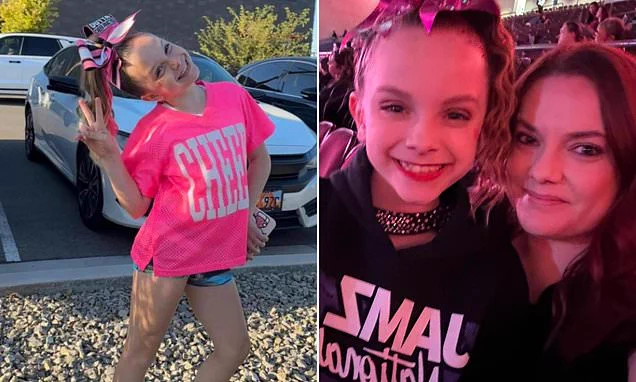
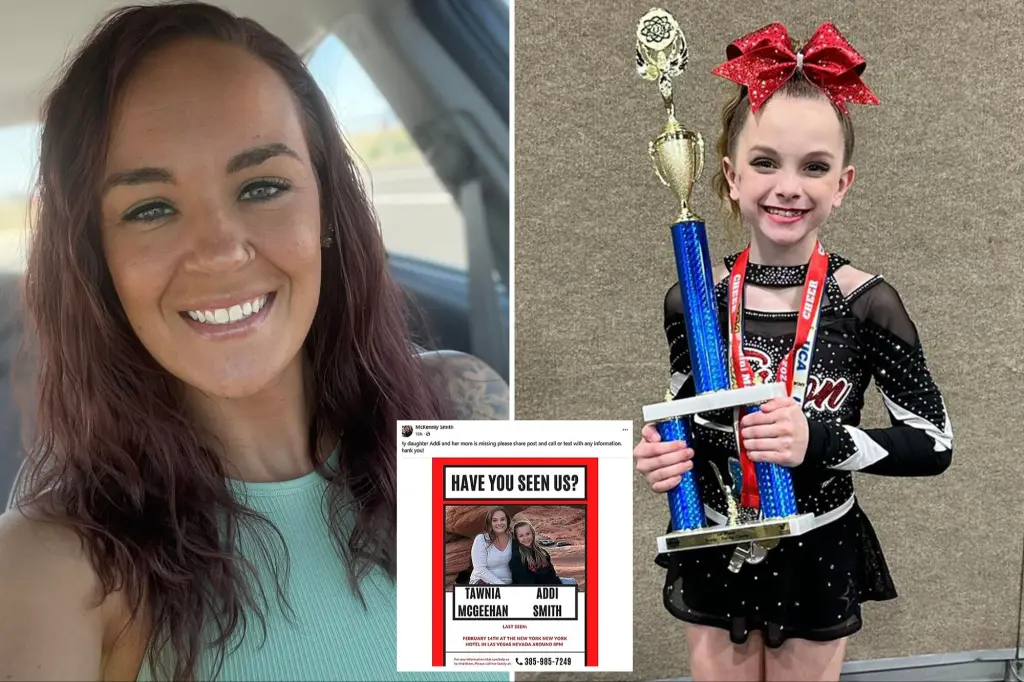
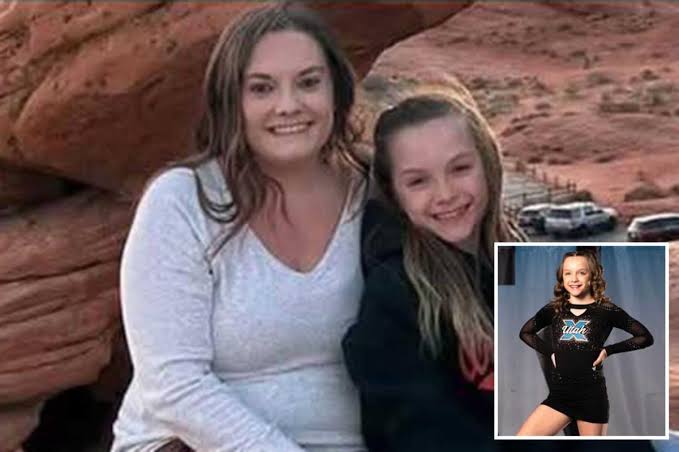
Tawnia McGeehan, 34, and her daughter, Addilyn “Addi” Smith, were found inside a room at the Rio Hotel & Casino on Feb. 15, 2026. The pair had traveled from Utah to Las Vegas for a cheerleading competition in which Addi was scheduled to participate with Utah Xtreme Cheer.
Authorities determined that Addi died from a gunshot wound in what the coroner classified as a homicide. McGeehan also died from a gunshot wound, with her death classified as a suicide. Investigators have said McGeehan was responsible for her daughter’s death before taking her own life.
The recently released records do not change those conclusions. Instead, they reveal additional information about what happened inside the hotel room and what substances were present in the mother and daughter before their deaths.

A welfare check followed a missed cheer competition
McGeehan and Addi arrived in Las Vegas on Feb. 13 for the cheerleading event.
When Addi failed to appear for the competition and family members were unable to reach the pair, concern grew.
Addi’s father contacted authorities, prompting police to conduct a welfare check at the hotel.
According to newly reported details from the coroner’s records, officers initially received no response when they went to the room at approximately 11:44 a.m. The scene was later revisited, and hotel security ultimately entered the room.
What they encountered was a scene that investigators immediately recognized as highly unusual.
A chair had been positioned in front of the room’s entrance. Attached to it was a handwritten note warning anyone entering the room to call 911.
The note reportedly read:
“Call 911 before walking in. Two dead bodies and one is an 11-year-old.”
The wording was later documented in the Clark County coroner’s investigative report.
Additional handwritten notes were discovered
The note at the entrance was not the only message investigators found.
According to the newly released records, additional handwritten notes were located inside the room.
One note indicated that Addi’s phone had intentionally been left accessible so photographs and videos could be viewed.
Another note described the girl as having been “very medicated” before the fatal incident.
The reports indicate that McGeehan had left multiple apparent suicide notes, although investigators did not identify a specific motive contained in those messages.
The coroner’s report also referenced McGeehan’s reported mental-health history and difficulties involving her former husband and the couple’s long-running custody dispute over Addi.
Those circumstances are documented in the investigative material, but the records do not establish that any single factor directly caused the events in the hotel room.
Toxicology reveals several substances
One of the most significant new pieces of information comes from the toxicology examinations.
The report found several substances in Addi’s system, including quetiapine, gabapentin, lorazepam and diphenhydramine. Caffeine was also detected.
Quetiapine is a prescription medication commonly associated with psychiatric treatment. Gabapentin can be prescribed for several medical conditions, while lorazepam is a sedative medication. Diphenhydramine is an antihistamine commonly found in over-the-counter medications.
McGeehan’s toxicology results contained several of the same substances.
Her report also listed eszopiclone or zopiclone, medications associated with sleep treatment; citalopram or escitalopram, antidepressant medications; desmethyl loperamide; cannabinoids; and caffeine.
The presence of those substances does not mean that each medication was taken for the same purpose, nor does the toxicology report by itself establish exactly when every substance was consumed.
The official causes of death remained the gunshot wounds.
Medication containers were also found in the room
Investigators reportedly recovered multiple prescription medication bottles bearing McGeehan’s name.
Other items included over-the-counter sleep aids, an opened package of THC gummies, empty or broken gabapentin capsules and a clear cup containing a white residue.
A semi-automatic handgun was also recovered from the room.
The combination of the physical evidence, toxicology results and handwritten notes helped investigators reconstruct the final hours of the mother and daughter.
The coroner’s findings indicate that medication had been taken before the fatal shooting, but the official cause of death for both remained their gunshot injuries.
Investigators also examined McGeehan’s history
The newly released report includes information supplied by McGeehan’s family about her mental-health history.
Family members reportedly told investigators that she had experienced severe depression and had previously been prescribed medication for it. They also said they were aware of past suicidal thoughts but did not know of previous attempts.
The report also referenced McGeehan’s struggles involving her former husband, Bradley Smith, and their prolonged custody dispute over Addi.
The couple divorced years before the Las Vegas incident, but custody disagreements continued for years afterward.
Earlier court records reviewed by KSL showed several legal disputes involving McGeehan after the divorce. Those included cases involving custodial interference and electronic harassment.
The custody dispute had changed over time
Court records indicate that custody arrangements involving Addi changed substantially over the years.
At one point, McGeehan temporarily lost custody of her daughter. Later, the parents reached a joint custody arrangement.
KSL reported that a 2024 agreement restored joint legal and physical custody, with the parents sharing time with Addi.
The custody history has since become an important part of reporting about the case because the coroner’s report specifically referenced the dispute when documenting information provided by McGeehan’s family.
However, authorities have not publicly established that the custody dispute alone explains what happened.
The trip to Las Vegas was supposed to be about cheerleading
For Addi, the trip was connected to something she was passionate about: competitive cheerleading.
She was a member of Utah Xtreme Cheer and had traveled with her mother to participate in the Las Vegas event.
Her failure to appear at the competition became one of the first warning signs that something was seriously wrong.
The team later publicly mourned the 11-year-old, describing her as deeply loved within the organization.
The contrast between the purpose of the trip and what investigators ultimately discovered in the hotel room has made the case particularly difficult for those who knew the family.
What the new records establish — and what they do not
The newly released records answer several questions but leave others unresolved.
They establish that:
Addi and McGeehan were found in their Rio hotel room on Feb. 15.
Addi’s death was classified as a homicide.
McGeehan’s death was classified as a suicide.
Both died from gunshot wounds.
Multiple medications were detected in both of their systems.
Investigators found prescription medication containers and other drug-related items in the room.
Several handwritten notes were discovered.
One note warned people entering the room about two bodies, including an 11-year-old.
Another note indicated Addi had been “very medicated.”
McGeehan’s family reported a history of severe depression and previous suicidal thoughts.
The coroner’s report referenced continuing difficulties involving McGeehan’s custody dispute with her former husband.
But the records do not provide a definitive explanation for why McGeehan decided to harm her daughter and herself.
They also do not establish that any particular medication caused or directly contributed to the fatal act.
A case now documented in greater detail
When authorities first announced the deaths in February, investigators said McGeehan had killed her daughter before taking her own life.
The newly released records largely reinforce that conclusion while adding details that were not publicly known at the time.
The toxicology findings show that both mother and daughter had multiple substances in their systems. The handwritten notes provide a glimpse into the circumstances inside the room. And the investigative report documents a long history of family and custody difficulties involving McGeehan.
Still, the official record stops short of offering a simple explanation.
What began as a family trip to Las Vegas for an 11-year-old girl’s cheerleading competition ended with investigators finding mother and daughter together in a hotel room, followed months later by the release of records that shed more light on the final hours of their lives.
The case remains a tragic example of how much information can emerge only after medical-examiner and investigative records are formally released.
Sources
New York Post — Toxicology results for Utah “dance mom” and daughter