THE 163 CHILDREN ARE SAFE — BUT WHAT HAPPENS NOW?
The headline was extraordinary.
163 missing children recovered in five days.
But behind that number is a question that is much harder to answer:
What happens after a missing child is found?
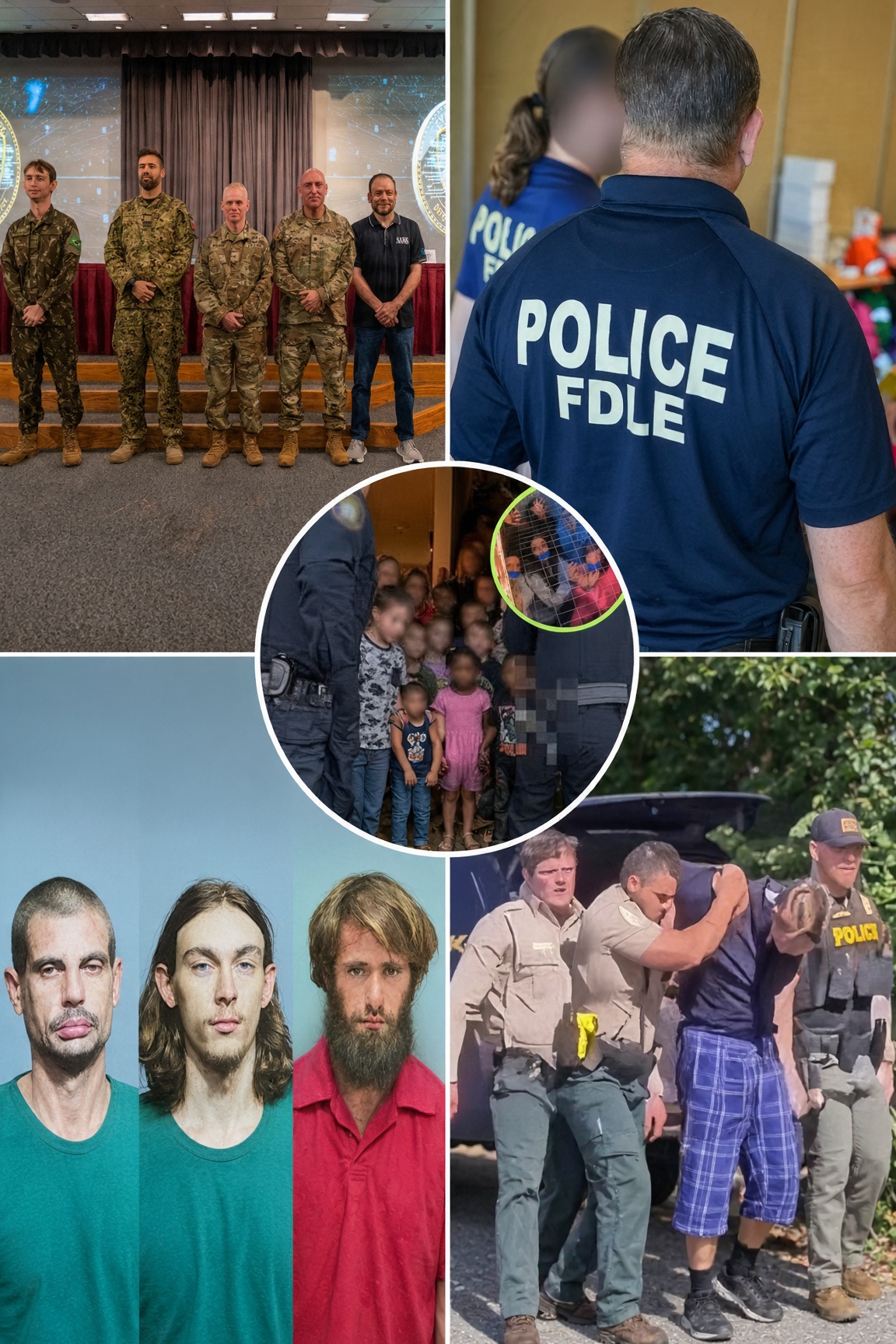
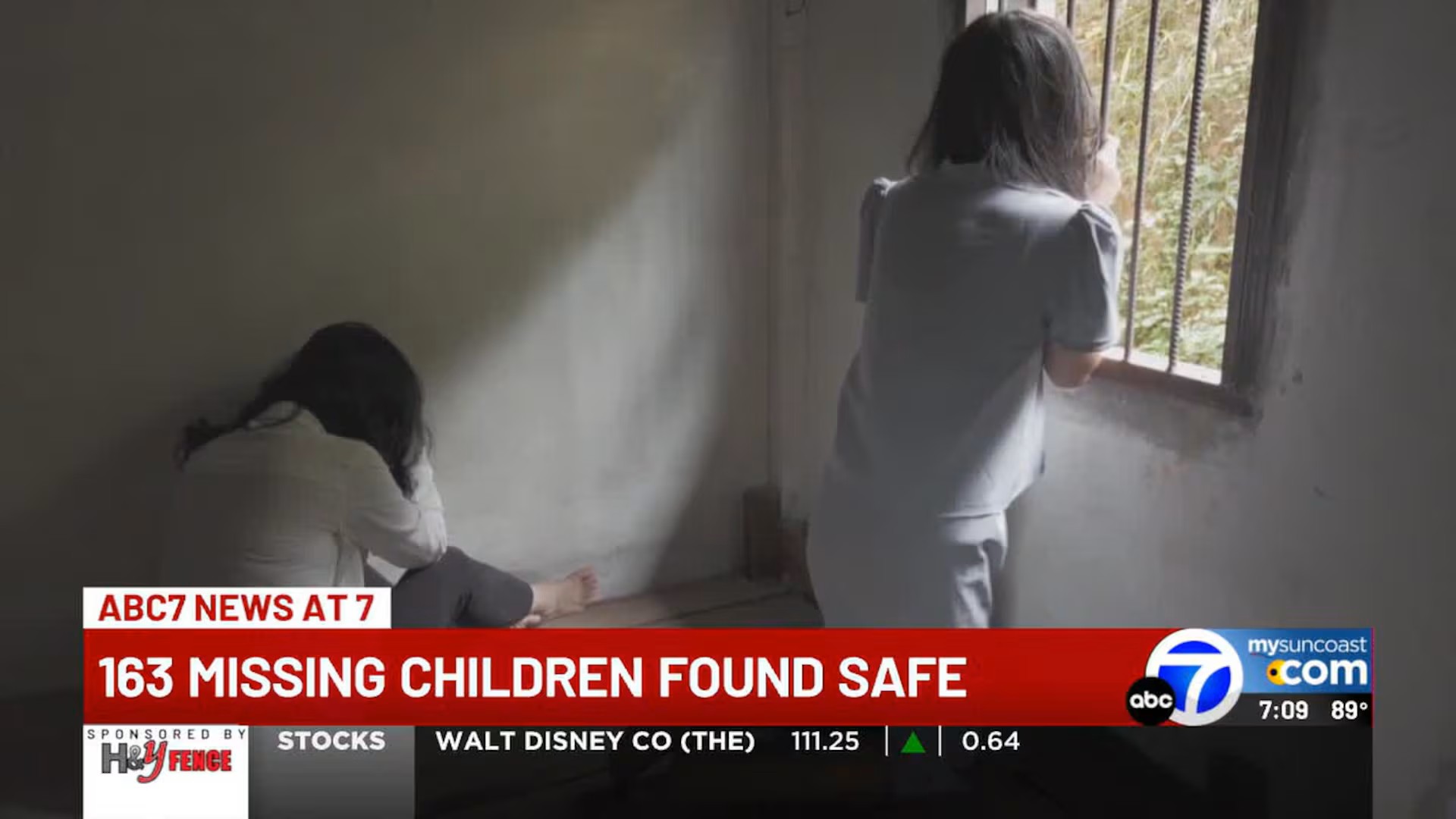
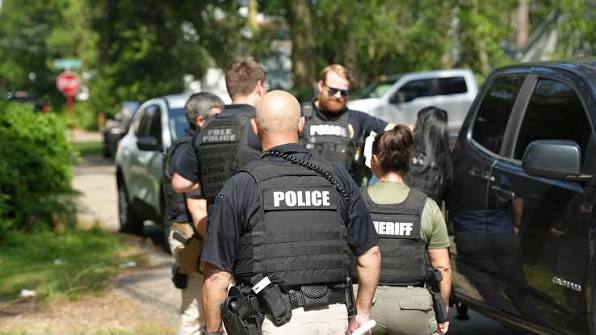
Operation Statewide Shield became one of Florida’s most significant child-recovery efforts after investigators located 163 children between the ages of two months and 17 years old.
Florida officials described the operation as the state’s first state-led statewide child-recovery initiative. Multiple agencies worked across Florida, while investigators also pursued leads beyond the state.
The scale was enormous.
Forty-six children were recovered in Tampa Bay.
Forty-one in Miami.
Thirty-two in Jacksonville.
Twenty-one in Orlando.
Twelve in Fort Myers.
Eight in Pensacola.
Three in Tallahassee.
And cases extended beyond Florida into six other states, a U.S. territory and 12 countries.
But recovery is not the same thing as resolution.
A child can be found without investigators immediately knowing everything that happened.
That is why authorities created recovery hubs where children who needed assistance could receive medical services, social-service support, child-welfare assistance and help from victim advocates.
The immediate objective was safety.
The longer-term objective is understanding.
What happened before the child was located?
Why did the child disappear?
Who knew where the child was?
Was the child in danger?
Was a crime committed?
Could someone else be at risk?
These questions may require very different answers depending on the case.
Officials have made clear that the 163 children did not share one identical set of circumstances.
Some cases involved abuse, neglect, exploitation or exposure to criminal activity.
Other cases involved circumstances such as custody disputes, domestic situations or runaway reports.
This is why describing the entire operation as one massive kidnapping case would be misleading.
There is no official evidence that one criminal organization was responsible for all 163 recoveries.
Instead, the operation brought together many individual cases under one coordinated statewide effort.
That makes the investigation both broader and more complicated.
The criminal side has already produced three publicly announced felony cases.
Those cases included serious allegations involving minors and custody-related offenses. Additional investigative work was expected to continue.
Could more arrests happen?
Possibly.
But it would be premature to say that they will.
Could some cases produce no criminal charges?
That is also possible.
The fact that a child was reported missing does not automatically mean someone committed a crime.
And the fact that a child was found in a dangerous environment does not by itself establish who is legally responsible.
That is where prosecutors and courts become important.
Investigators gather evidence.
Prosecutors evaluate whether the evidence supports charges.
Courts determine legal questions through the judicial process.
And defendants have the right to contest allegations.
The public therefore may not receive a complete explanation for every one of the 163 cases.
Some information may remain confidential to protect children.
Some investigations may remain active.
Some records may be restricted because of ongoing criminal proceedings.
That can make the story frustrating for people watching from the outside.
Everyone wants to know what happened.
But child-protection cases often require a higher level of privacy because the people at the center of them are minors.
That privacy may also explain why authorities have not released a detailed public narrative for every recovered child.
The operation’s international and interstate reach adds another challenge.
When investigators find a child outside the jurisdiction where the child was reported missing, different agencies may have to coordinate.
If evidence points to another state, investigators may need cooperation from that state’s authorities.
If a case reaches another country, the process becomes even more complicated.
The fact that Statewide Shield generated leads involving 12 countries shows how far some cases extended.
But again, international reach does not mean all 12 countries were connected to one criminal network.
It means cases or investigative leads crossed those borders.
That distinction matters.
Another important development is the continuing public interest.
Florida Attorney General James Uthmeier has continued emphasizing child protection and missing-child recovery in his public messaging. A September 23 report also described a new statewide political advertisement in which Uthmeier highlighted his record on child predators, human trafficking and missing children. That campaign material is separate from the official investigative findings of Operation Statewide Shield and should be treated as political messaging rather than new evidence in the operation.
The operation itself remains the central factual event:
163 children were recovered.
But the next stage is quieter.
Investigators examine evidence.
Social workers evaluate needs.
Families and guardians may work through complicated reunification questions.
Prosecutors determine whether charges are appropriate.
And courts, where cases are filed, decide the legal issues.
That process may not produce dramatic daily headlines.
But it is where many of the most important answers will emerge.
Could there be additional suspects?
Could some cases reveal previously unknown abuse?
Could investigators discover links between seemingly separate cases?
Could prosecutors bring additional charges?
Or will the investigations ultimately show that many cases had very different explanations?
Those questions remain open.
The responsible approach is to distinguish what is known from what is possible.
Known: 163 children were recovered.
Known: the children ranged from two months to 17 years old.
Known: recoveries occurred across Florida and through cases extending beyond the state.
Known: officials announced three felony cases associated with the operation.
Known: authorities said investigations continued.
Not established: that all 163 children were kidnapped.
Not established: that all 163 were trafficking victims.
Not established: that one organization was responsible.
Not established: that additional arrests will definitely occur.
Those distinctions may make the story less sensational.
But they make it more accurate.
And accuracy matters when children are involved.
The ultimate measure of Operation Statewide Shield will not simply be the number announced at the press conference.
It will also be what happens to those children afterward.
Are they safe?
Do they receive the support they need?
Do investigations identify people who may have harmed them?
Do prosecutors bring appropriate cases?
Do courts resolve those cases fairly?
Those answers will take time.
For now, Florida has announced that 163 children were recovered.
The five-day operation is over.
But the individual stories behind those 163 recoveries are still unfolding.
And the biggest question remains:
Now that these children have been found, what will investigators discover about the circumstances that led them to disappear?