Lucy Letby Case Takes Another Turn as Inquiry Exposes Major Hospital Failings
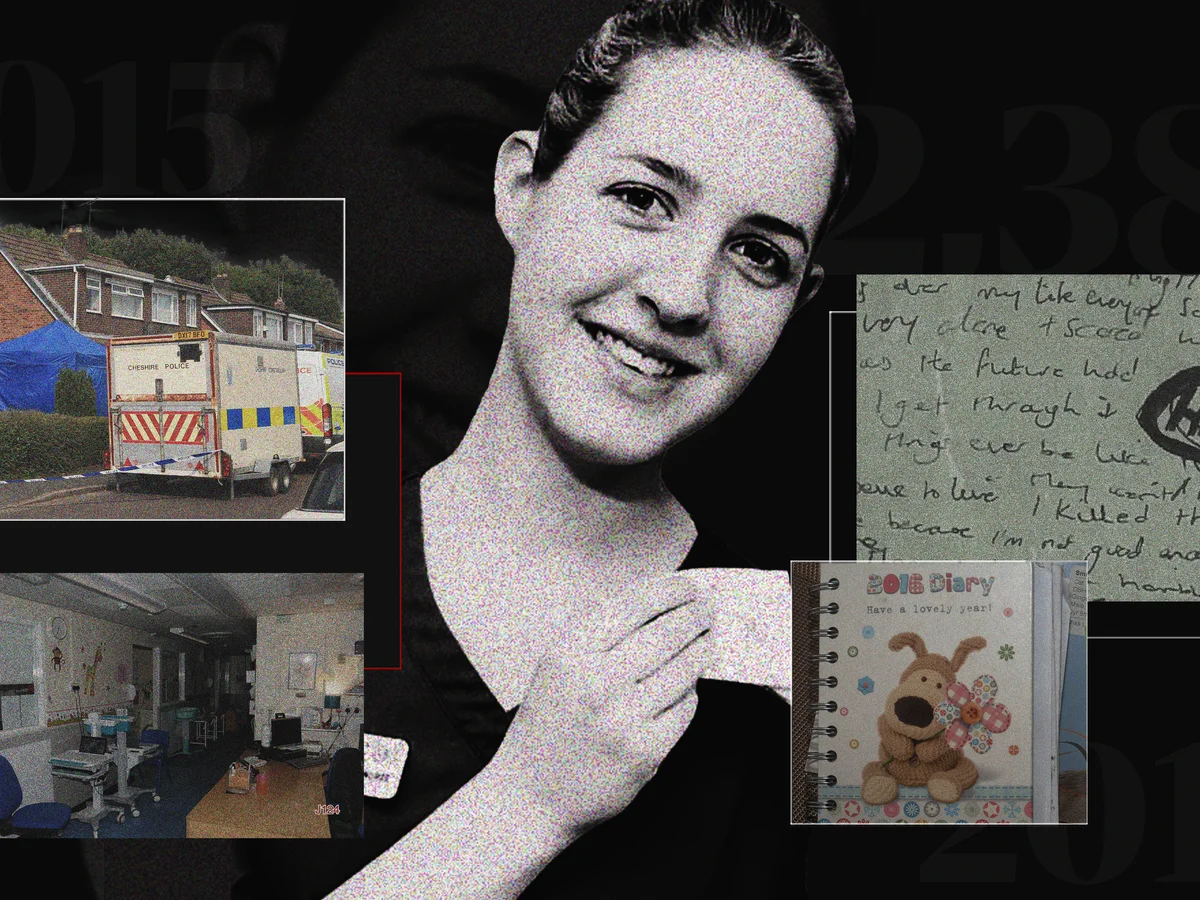
The Lucy Letby case has entered another extraordinary chapter after a major public inquiry found serious failures at the hospital where the former neonatal nurse worked — while also making clear that the inquiry itself was not established to determine whether Letby was guilty or innocent.
The findings have nevertheless reignited questions surrounding one of Britain’s most closely watched criminal cases.
Letby was convicted in 2023 of murdering seven babies and attempting to murder seven others while working at the Countess of Chester Hospital in northern England between 2015 and 2016.
She is serving 15 whole-life sentences.
Letby has consistently maintained her innocence.
Now, more than three years after her conviction, the publication of the Thirlwall Inquiry report has exposed serious failures in hospital management, governance and safeguarding — raising fresh questions about what hospital leaders knew, when they knew it and whether some deaths could have been prevented.
What Was the Thirlwall Inquiry Investigating?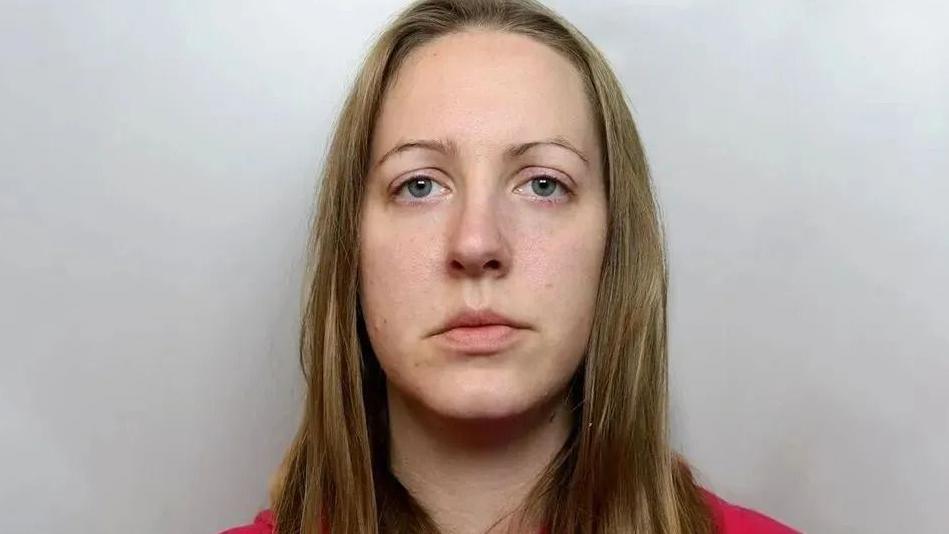
The inquiry was established after Letby’s conviction to examine how concerns about the deaths and the neonatal unit were handled.
Its purpose was not to conduct another criminal trial.
Instead, it examined the actions of the hospital and the wider NHS system surrounding the events.
Lady Justice Kathryn Thirlwall, who chaired the inquiry, described the hospital’s management and governance as deeply dysfunctional.
She said there had been a serious divide between hospital leadership and clinicians and a failure to understand fundamental safeguarding responsibilities.
Most significantly, the inquiry concluded that there had been a “complete failure” at all levels to invoke safeguarding procedures when concerns emerged.
Could Some Babies Have Been Saved?
One of the most significant findings was that some babies could have survived if hospital management had responded differently and acted earlier.
The inquiry concluded that some attacks could have been prevented and some babies could have been saved if appropriate action had been taken sooner.
That finding is separate from the criminal verdict against Letby.
It does not overturn her convictions.
But it raises an important question about the hospital itself: why did concerns not trigger a stronger response earlier?
The report criticized senior managers and senior nurses for failing to act when concerns were raised.
That failure is now a major part of the national discussion surrounding the case.
What Was Lucy Letby Convicted Of?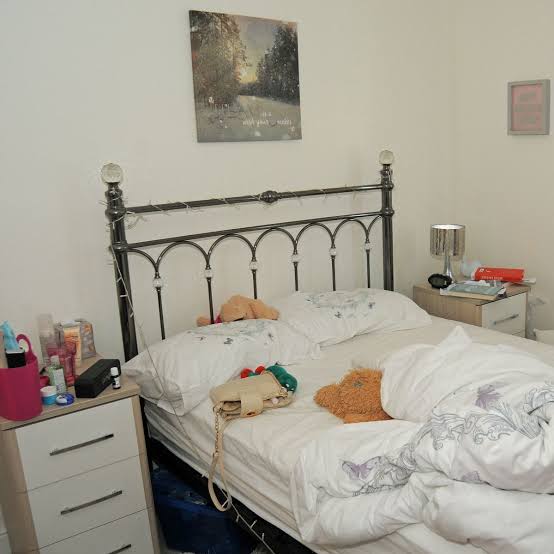
In her 2023 criminal trial, prosecutors alleged that Letby deliberately harmed babies in her care.
The prosecution presented evidence involving a number of alleged methods, including the administration of air into the bloodstream or stomach, excessive feeding and the use of insulin.
Letby was convicted of murdering seven babies and attempting to murder seven others.
She received whole-life sentences, meaning she is expected to spend the rest of her life in prison unless her convictions or sentences are changed through the legal process.
The criminal court therefore reached a clear conclusion based on the evidence presented at trial.
That remains the current legal position.
Why Are Questions About the Case Returning?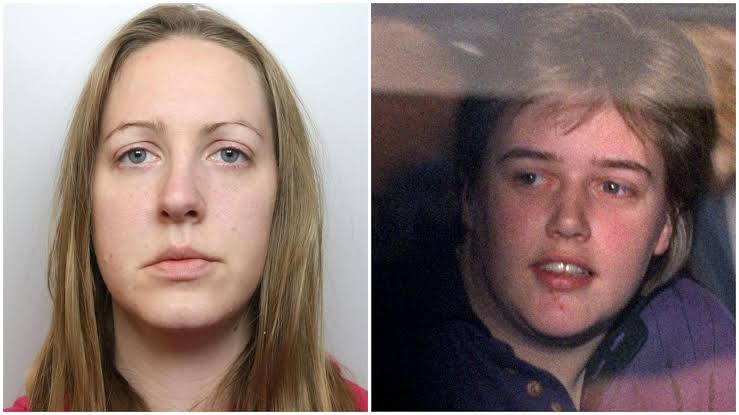
The renewed debate comes partly from developments that occurred after the original trial.
Letby’s defense team has argued that some of the medical evidence used during her prosecution has since been challenged.
In 2025, an international panel of experts examined evidence connected with the case.
The panel’s chair, neonatologist Dr. Shoo Lee, said there was no medical evidence supporting deliberate harm in the cases they reviewed.
Letby’s lawyer, Mark McDonald, has also argued that some evidence presented to the original jury was misinterpreted or misunderstood.
These are arguments from the defense and outside experts, not findings that have overturned Letby’s convictions.
The Court of Appeal has already rejected previous challenges to her convictions.
Her legal team is now seeking further review through the Criminal Cases Review Commission (CCRC).
The Hospital Failings and the Question of Guilt Are Different Issues
This distinction is crucial.
The Thirlwall Inquiry found serious failures by hospital management.
But it did not conclude that those failures proved Letby did not commit the crimes for which she was convicted.
Likewise, the inquiry’s findings do not themselves overturn her convictions.
Lady Justice Thirlwall specifically said the inquiry would not interfere with the work of the CCRC, which is separately examining material submitted by Letby’s defense team.
That leaves two separate questions.
One concerns Letby’s criminal responsibility.
The other concerns whether the hospital failed to protect vulnerable babies and respond appropriately to warning signs.
The inquiry has delivered significant findings on the second question.
The first remains a matter for the criminal justice system.
Why the New Findings Matter to Letby’s Defense
Although the inquiry did not rule on Letby’s guilt, its findings could become relevant to arguments made by her legal team.
Letby’s supporters have pointed to the hospital’s failures as evidence that there were alternative explanations for some of the deaths and that medical conditions may not have been properly understood at the time.
The defense has also highlighted criticism from international medical experts.
But prosecutors’ case at trial was based on a much broader body of evidence than hospital management failures alone.
That means the inquiry’s findings cannot simply be interpreted as proof that the original conviction was wrong.
They are another development in an already complex legal story.
The CCRC Now Has a Significant Role
The Criminal Cases Review Commission is now one of the key institutions to watch.
The CCRC investigates potential miscarriages of justice and can refer a case back to the Court of Appeal if it believes there is a sufficient basis for doing so.
Letby’s legal team has submitted evidence to the commission.
The CCRC’s chair has indicated that the inquiry’s findings will be considered as part of that process.
However, there is no guarantee that the commission will refer the case back to the Court of Appeal.
Until such a referral occurs and a court makes a new determination, Letby’s convictions remain in place.
Families Are Still Waiting for Answers
At the heart of the controversy are the families of the babies involved.
For them, the story is not simply about legal arguments or competing medical interpretations.
They lost children.
Some families have spent years trying to understand how their babies died and why concerns about the neonatal unit were not acted upon earlier.
The Thirlwall Inquiry has provided answers about institutional failures.
But it has not resolved every question surrounding the individual deaths.
That distinction means the emotional consequences of the case will continue long after the publication of the report.
The NHS Faces Its Own Questions
The inquiry’s findings have also created pressure for broader changes across Britain’s healthcare system.
Health Secretary Yvette Cooper said she was profoundly sorry for the failures identified by the report and for the harm caused to families.
The government has announced plans to review training and develop measures designed to improve safety in neonatal units.
One proposal involves the introduction of “cot cameras” in neonatal wards.
The idea is that additional monitoring could help identify concerning incidents and provide an independent record when something goes wrong.
The changes are intended to address lessons from the inquiry rather than determine the outcome of Letby’s criminal case.
A Case That Still Has No Simple Ending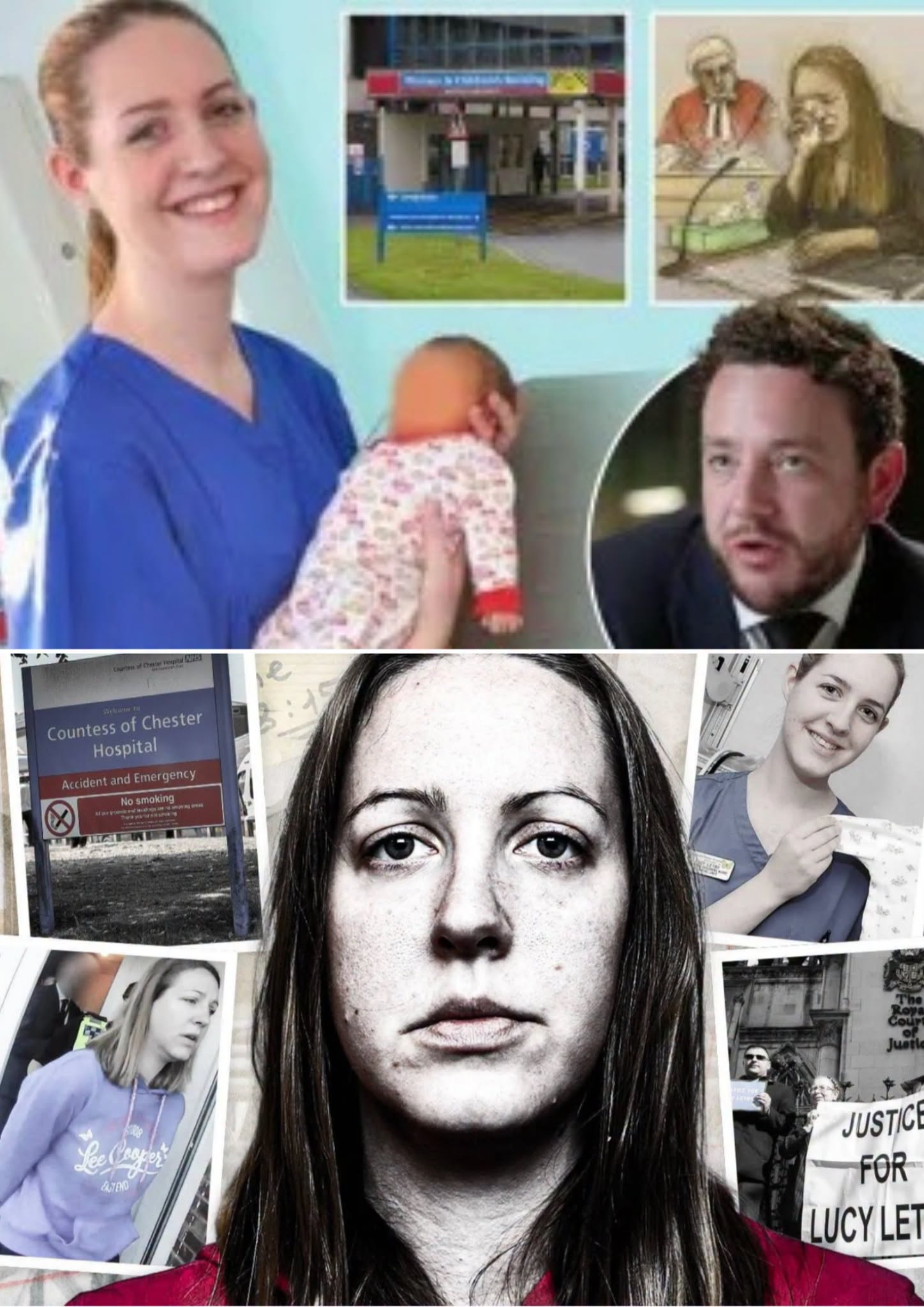
The Lucy Letby story is now defined by two very different legal processes.
The first has already produced convictions.
The second is investigating how the institution where Letby worked responded to concerns surrounding the deaths.
The inquiry has found major failings.
Letby’s convictions remain valid.
Her defense continues to challenge aspects of the evidence.
The CCRC is considering her application.
And the families remain at the center of a story that has lasted for years.
What Happens Next?
The immediate focus will be on the consequences of the Thirlwall Inquiry and the work of the CCRC.
If the CCRC eventually decides that the case should return to the Court of Appeal, the court would then consider whether there is a legal basis for reopening the matter.
Until that happens, there is no new court ruling overturning Letby’s convictions.
That is an important point amid the renewed public debate.
The inquiry has exposed serious failures at the hospital.
It has raised legitimate questions about how warning signs were handled.
It has also created new material for Letby’s defense to point to.
But those developments do not, by themselves, establish that Letby was wrongly convicted.
Why the Lucy Letby Case Remains So Closely Watched
Few British criminal cases have generated such a complicated intersection of medicine, criminal law and institutional accountability.
A former nurse remains imprisoned after being convicted of murdering seven babies.
A public inquiry has now found that the hospital where she worked suffered serious management and safeguarding failures.
Experts have publicly challenged aspects of the medical evidence used during the original prosecution.
Letby’s defense is pursuing another route through the legal system.
And the families of the babies continue to seek answers.
The result is a case that remains unresolved in one important sense: the criminal convictions stand, but the debate surrounding the evidence and the failures that allowed the deaths to continue is far from finished.
The next significant development could come from the CCRC.
Until then, the Thirlwall Inquiry has changed the conversation around Lucy Letby — not by deciding whether her convictions were right or wrong, but by revealing how badly the institution around her failed to respond when concerns emerged.
And that may ultimately become one of the most important questions left by the entire case:
How could so many warning signs exist without the system acting sooner?
Source:
Yahoo News / CNN – https://sg.news.yahoo.com/questions-swirl-over-child-killer-141046546.html
BBC News – https://www.bbc.com/news/articles/cvg7y2j5n0do
The Guardian – https://www.theguardian.com/uk-news/2026/sep/15/lucy-letby-inquiry-report-thirlwall