When an Execution Goes Wrong
When an Execution Goes Wrong
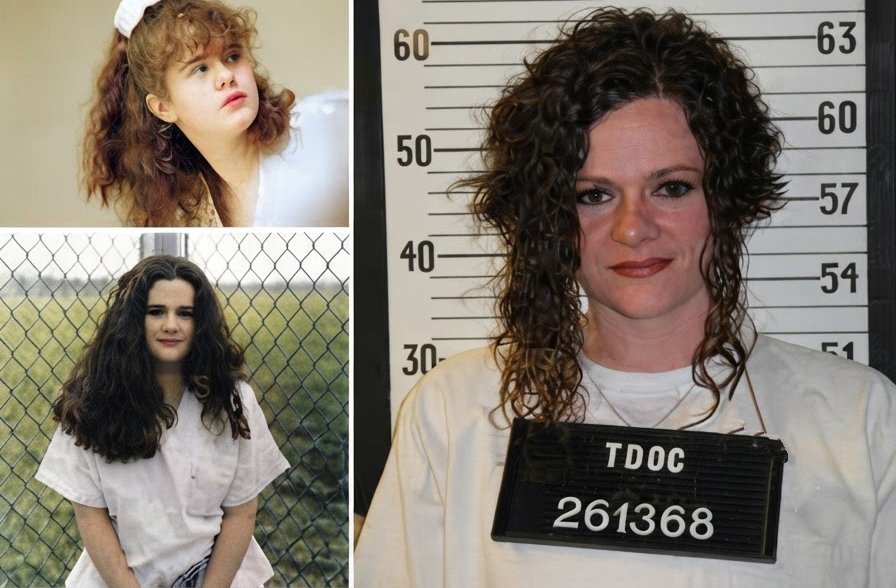
The failed execution of Christa Pike raises difficult questions about the death penalty and the limits of the justice system. Pike was scheduled to be executed by lethal injection in Tennessee, but the procedure did not go as planned. She reportedly remains unconscious and on a ventilator while doctors treat the effects of the drugs used during the attempt. Regardless of anyone’s opinion about her crime, what happened deserves serious public scrutiny.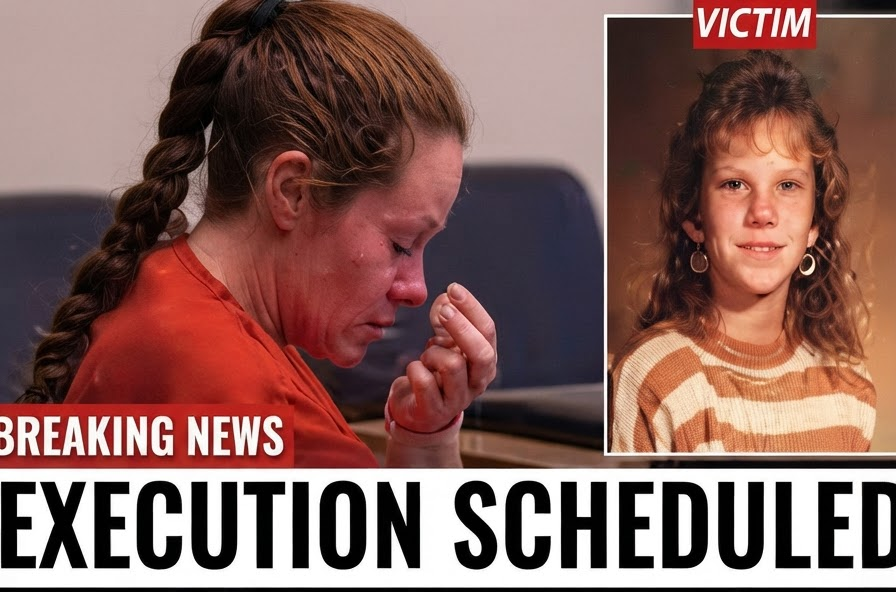 An execution is supposed to be a controlled and carefully regulated procedure. When it results in a person being left critically ill instead, something has clearly gone wrong. Tennessee’s decision to halt executions for the rest of 2026 is therefore significant. The independent review should examine exactly what happened and why. It should also determine whether the execution protocol was properly followed. For supporters of the death penalty, this case raises questions about reliability and accountability. For opponents, it may reinforce concerns about whether executions can ever be carried out humanely. There is also a broader question about the role of the state in taking a person’s life.
 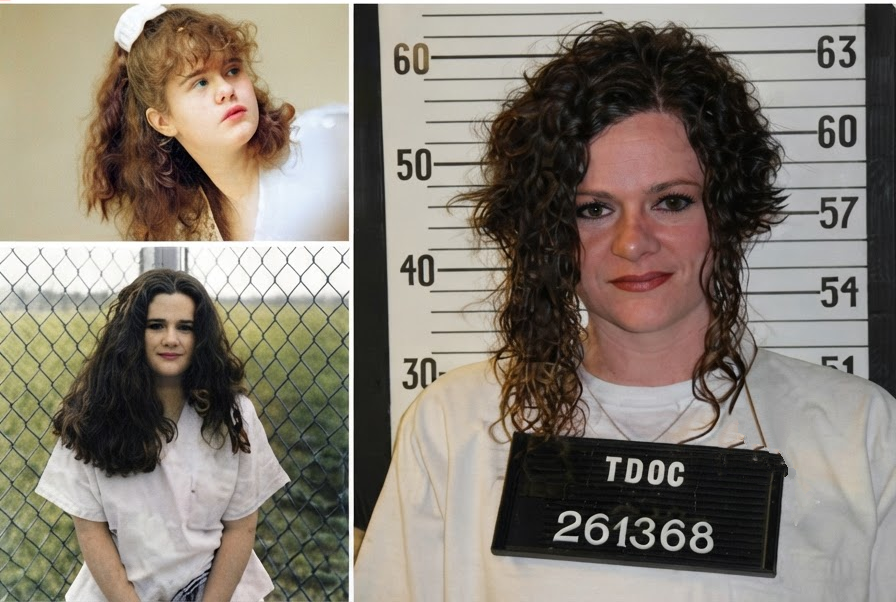 Justice should never mean abandoning transparency or medical responsibility. Whatever someone believes about Christa Pike, she is still entitled to proper medical care. The public also deserves clear answers about what happened behind the prison walls. This case should not become only another political argument about capital punishment. It should be an opportunity to examine the system honestly and carefully. If mistakes were made, those responsible should be held accountable. And if the procedure was fundamentally flawed, Tennessee should confront that reality. What happened to Christa Pike deserves more than outrage; it deserves answers.