The Boy Bitten 14 Times by a Rabid Dog: How a Mother’s Defiance and Louis Pasteur’s Courage Created History’s First Rabies Survivor
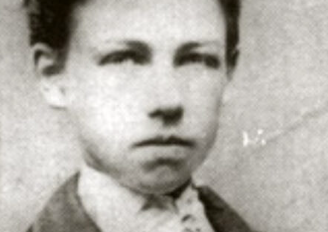
On July 4, 1885, in a quiet village in Alsace, France, a nine-year-old boy named Joseph Meister was attacked from behind by a rabid dog. The animal tore into him fourteen times — on his hands, legs, and thighs — before a passerby finally drove it away with an iron bar. The dog was killed immediately, and tests soon confirmed what everyone already feared: it had rabies. In 1885, that diagnosis was a death sentence. Once the virus reached the brain, there was no treatment and no hope. Victims faced a horrifying end — paralysis, violent convulsions, and an uncontrollable terror of water. No human in recorded history had ever survived rabies once symptoms appeared. Families could do nothing but watch their loved ones die.
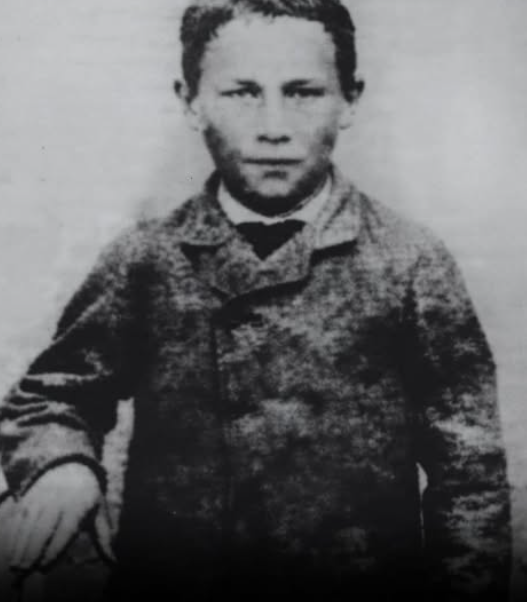
Joseph’s mother, Marie-Angélique Meister, refused to accept that fate.
She had heard rumors of a scientist in Paris named Louis Pasteur who had successfully developed a vaccine that protected dogs from rabies. No one had ever tested it on a human. No one knew if it would work — or if it might kill the child even faster. Still, she bandaged her son’s wounds, boarded a train, and traveled across France to find him.
When they arrived at Pasteur’s door, the 62-year-old scientist was already a legend. He had revolutionized science through his work on fermentation and germ theory. But faced with a badly injured child, Pasteur felt only fear. He had a promising vaccine, but it had only been tested on animals. He was not a licensed physician. If the boy died after receiving the experimental treatment, Pasteur could be held legally responsible — and everything he had built could be destroyed.
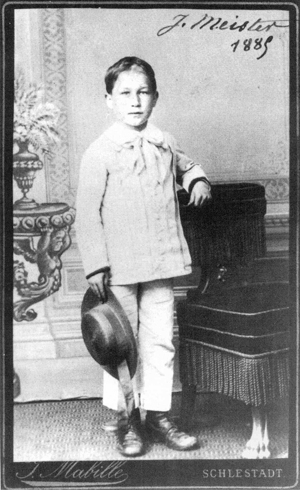
He consulted two doctors, Dr. Vulpian and Dr. Grancher. After examining Joseph, they reached the same grim conclusion: without intervention, the boy had no chance of survival. On the evening of July 6, 1885, Dr. Grancher administered the first dose while Pasteur watched anxiously.
Over the following weeks, Joseph received thirteen more injections. Each dose was prepared from the spinal cord of a rabid rabbit, dried for carefully calculated periods to make the vaccine progressively stronger. The goal was to build the boy’s immunity before the virus could reach his brain. Pasteur barely slept during this time. Every fever, every cough, every moment of silence filled him with dread. He monitored the child constantly, recording every detail.
Joseph remained healthy.
When the final injection was given, the waiting began. Days passed, then weeks. No paralysis. No convulsions. No fear of water. Only a healthy, recovering child. On August 25, 1885, Joseph Meister walked out of the Pasteur Institute — the first human in history to survive a confirmed rabies infection.
News of the boy’s survival spread rapidly across Europe. Desperate families began arriving from France, Germany, and Russia, bringing children who had been bitten by rabid animals. The treatment worked again and again.
But Louis Pasteur had given the world something far greater than a single vaccine. His proof that microscopic organisms — not bad air or divine punishment — caused disease had already begun transforming medicine. Surgeons started sterilizing their instruments. Doctors began washing their hands. The process of heating milk to kill harmful bacteria, still used today, carries his name: pasteurization.
Joseph Meister never truly left the place that saved him. As an adult, he returned to the Pasteur Institute and worked there as its caretaker for the rest of his life. He was still working there when Louis Pasteur died in 1895, and he remained for many decades afterward. Joseph lived to be 64 years old — every year of his life made possible because his mother refused to accept that he was going to die, and because a scientist chose courage over caution when it mattered most.
The boy survived. And because of that survival, the world was never the same again.