Singapore Airlines Flight Hit by Severe Turbulence: What Happened and How Passengers Can Protect Themselves
Turbulence is not uncommon on commercial flights, but in rare cases, it can become extremely dangerous.
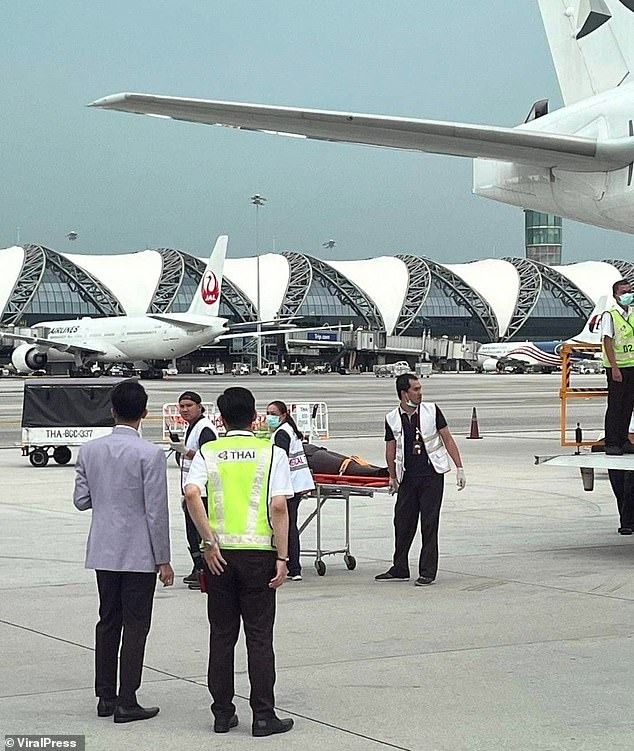
On May 21, 2024, Singapore Airlines Flight SQ321 from London (Heathrow) to Singapore encountered severe turbulence over Myanmar, resulting in one passenger’s death and dozens of injuries. The Boeing 777-300ER, carrying 211 passengers and 18 crew members, made an emergency landing in Bangkok, Thailand.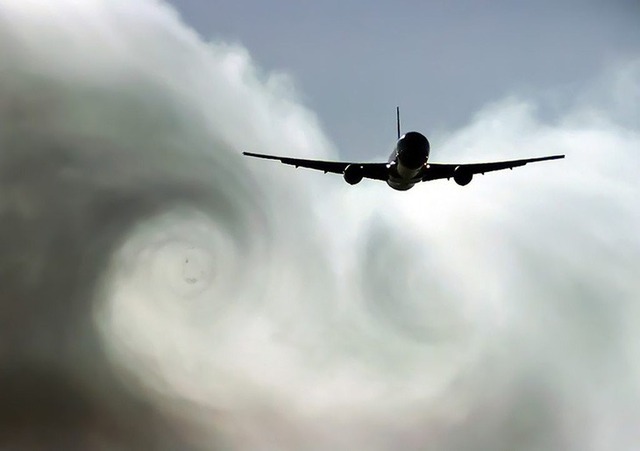
What Caused the Incident?
The aircraft was flying at around 31,000 feet (approximately 9.5 km) when it suddenly entered a zone of severe turbulence linked to a tropical storm in the area. The plane experienced a rapid and violent drop, throwing passengers and crew around the cabin.
A 73-year-old British man died, believed to have suffered a heart attack possibly triggered by the event. Many others sustained injuries, including head, spine, and other trauma, with some requiring intensive care. Objects inside the cabin flew around, adding to the chaos.
Singapore Airlines confirmed the incident and expressed deep regret, stating that one passenger had passed away and several others were injured.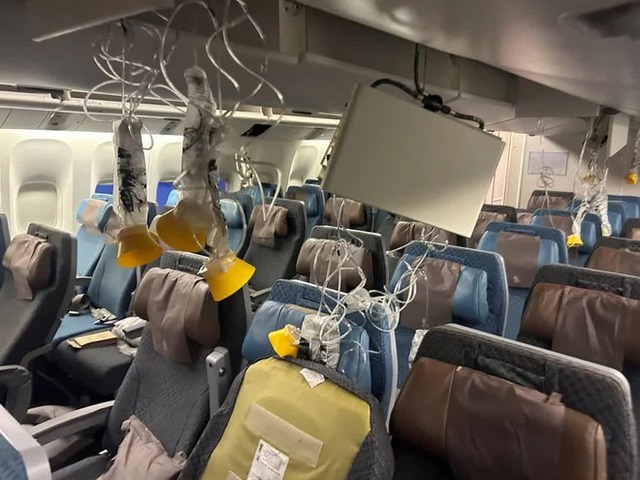
What Is Turbulence?
Turbulence occurs when an aircraft enters an area of disturbed air with rapidly changing currents, speeds, and directions. It’s similar to a boat rocking on choppy seas.
According to experts like Dr. David Birch from the University of Surrey, turbulence can range from light (minor altitude changes) to severe (violent shaking that can cause loss of control or injuries).
Common causes include:
- Mountain waves: Air flowing over mountains creates unstable patterns.
- Thunderstorms: Strong updrafts and downdrafts can throw planes up or down by hundreds or even thousands of feet.
- Jet streams: High-altitude fast-moving air currents.
Experts note that turbulence is the leading cause of serious injuries in commercial aviation, even though fatal incidents are very rare. Climate change is believed to be increasing the frequency and intensity of clear-air turbulence.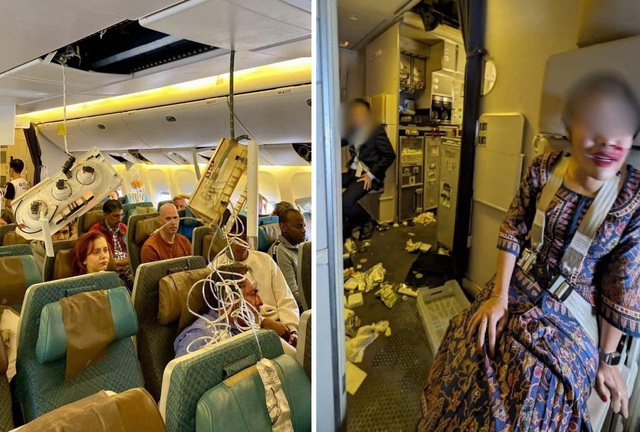
How Passengers Can Protect Themselves
Here are key safety tips recommended by aviation experts:
- Keep your seatbelt fastened at all times when seated — even when the seatbelt sign is off. This is the single most effective way to avoid injury during unexpected turbulence.
- Stow all loose items securely in the overhead bin or under the seat. Loose objects can become dangerous projectiles.
- Listen to the crew and follow all instructions immediately.
- Avoid walking around the cabin unnecessarily, especially during meal service or when the seatbelt sign is on.
- Pay attention to weather conditions on long flights. If the crew warns of potential turbulence, prepare accordingly.
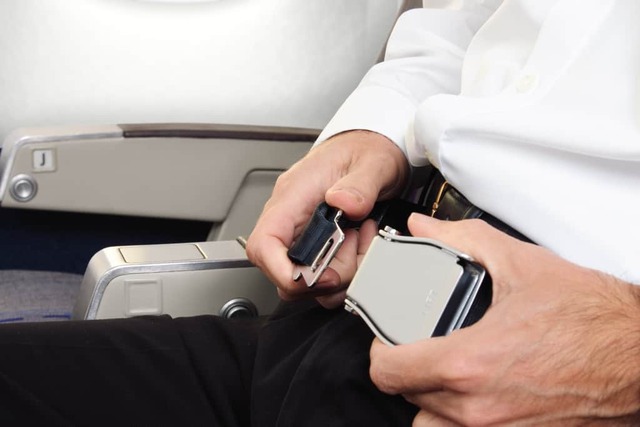
While turbulence cannot be completely avoided, staying buckled up dramatically reduces the risk of serious injury. The Singapore Airlines incident serves as a stark reminder of why following safety procedures is critical, even on routine long-haul flights.