ONG-BAK- then and now
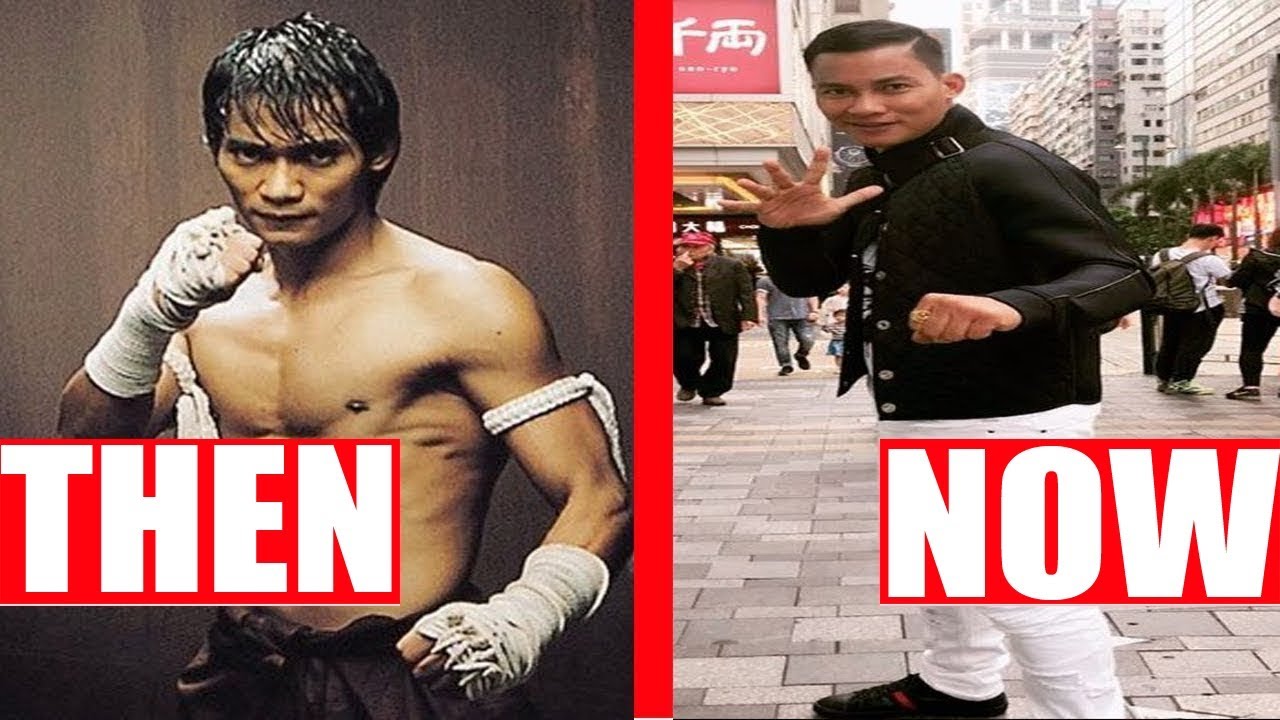
ONG-BAK: Then and Now – The Legacy of Tony Jaa’s Martial Arts Masterpiece
Few martial arts films have left as powerful an impact on global action cinema as Ong-Bak: Muay Thai Warrior. Released in 2003, the film introduced audiences worldwide to the incredible talents of Tony Jaa, a performer whose athletic ability, speed, and dedication to authentic martial arts instantly set him apart from other action stars. More than two decades later, Ong-Bak remains a landmark film, and fans continue to celebrate the journey of its cast and the lasting influence of its unforgettable action sequences.
When Ong-Bak first premiered, Tony Jaa was a relatively unknown actor outside of Thailand. Playing the role of Ting, a young villager who travels to Bangkok to recover the stolen head of a sacred Buddha statue, Jaa stunned audiences with breathtaking stunts performed without the extensive use of wires or computer-generated effects. His mastery of Muay Thai and his fearless commitment to practical action quickly earned him international recognition.
At the time, Tony Jaa was in his late twenties and possessed a level of physical agility that seemed almost superhuman. His flying knees, spinning kicks, and daring chase sequences became some of the most talked-about moments in modern martial arts cinema. Many fans compared his potential to that of legendary action stars such as Bruce Lee, Jackie Chan, and Jet Li.
Today, Tony Jaa continues to be a respected figure in the entertainment industry. While the years have naturally brought changes to his appearance, he remains in remarkable physical condition and continues to perform in major international productions. Since Ong-Bak, he has appeared in films such as Tom-Yum-Goong (The Protector), Furious 7, xXx: Return of Xander Cage, Triple Threat, and Expend4bles. His success helped open doors for Thai martial arts films to reach a much broader global audience.
Looking back at Ong-Bak today, fans are often amazed by how well the film has aged. The action scenes still feel intense and authentic, largely because they relied on real physical skill rather than heavy visual effects. The movie serves as a reminder of an era when martial arts performers placed themselves at significant risk to deliver unforgettable cinematic experiences.
The “then and now” comparison of Tony Jaa and the Ong-Bak legacy highlights more than just the passage of time. It reflects the evolution of an actor who transformed from a rising Thai martial artist into an internationally recognized action star. It also celebrates a film that changed perceptions of martial arts cinema and introduced millions of viewers to the beauty, discipline, and power of Muay Thai.
More than twenty years after its release, Ong-Bak continues to inspire action movie fans around the world. Its legacy remains strong, proving that true talent, dedication, and authentic storytelling never go out of style. Tony Jaa’s journey from the streets of rural Thailand to the global stage is a testament to perseverance, passion, and the enduring appeal of martial arts excellence