Chris Hemsworth and Natalie Portman in Thor Love and Thunder then and now
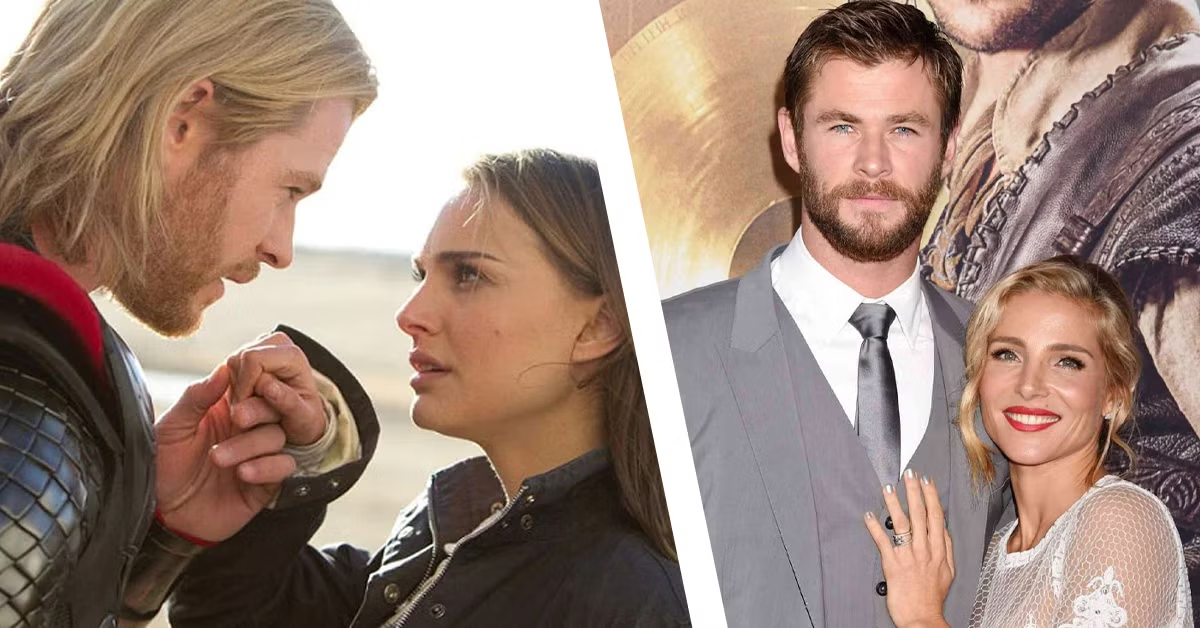
Chris Hemsworth and Natalie Portman in Thor: Love and Thunder represent one of the most recognizable on-screen reunions in modern superhero cinema, bringing together two actors whose journeys in the Marvel Cinematic Universe have evolved dramatically over more than a decade. Looking at them “then and now” highlights not only the passage of time within the franchise but also how their characters and performances have matured alongside the broader storytelling of Marvel films.
When Chris Hemsworth first appeared as Thor in 2011, he introduced audiences to a younger, arrogant Asgardian prince stripped of his powers and forced to learn humility on Earth. At that time, Thor was shaped as a classic mythological hero with a serious tone, grounded in Shakespearean family conflict and epic fantasy aesthetics. Hemsworth’s physical transformation and charismatic presence quickly made him a standout figure in the MCU. Over the years, his portrayal evolved significantly, especially by the time of Thor: Ragnarok, where humor, improvisation, and a more self-aware tone redefined the character into something more playful and emotionally layered.
By the time Love and Thunder was released in 2022, Hemsworth’s Thor had become a more complex figure shaped by loss, experience, and self-reflection. Having endured the destruction of Asgard, the deaths of loved ones, and the trauma of multiple battles, this version of Thor is no longer the reckless warrior of the early films. Instead, he is a hero searching for purpose, balance, and emotional healing while still retaining his charm and humor. Hemsworth’s performance reflects this shift clearly, blending comedy with vulnerability in a way that shows how far the character has come.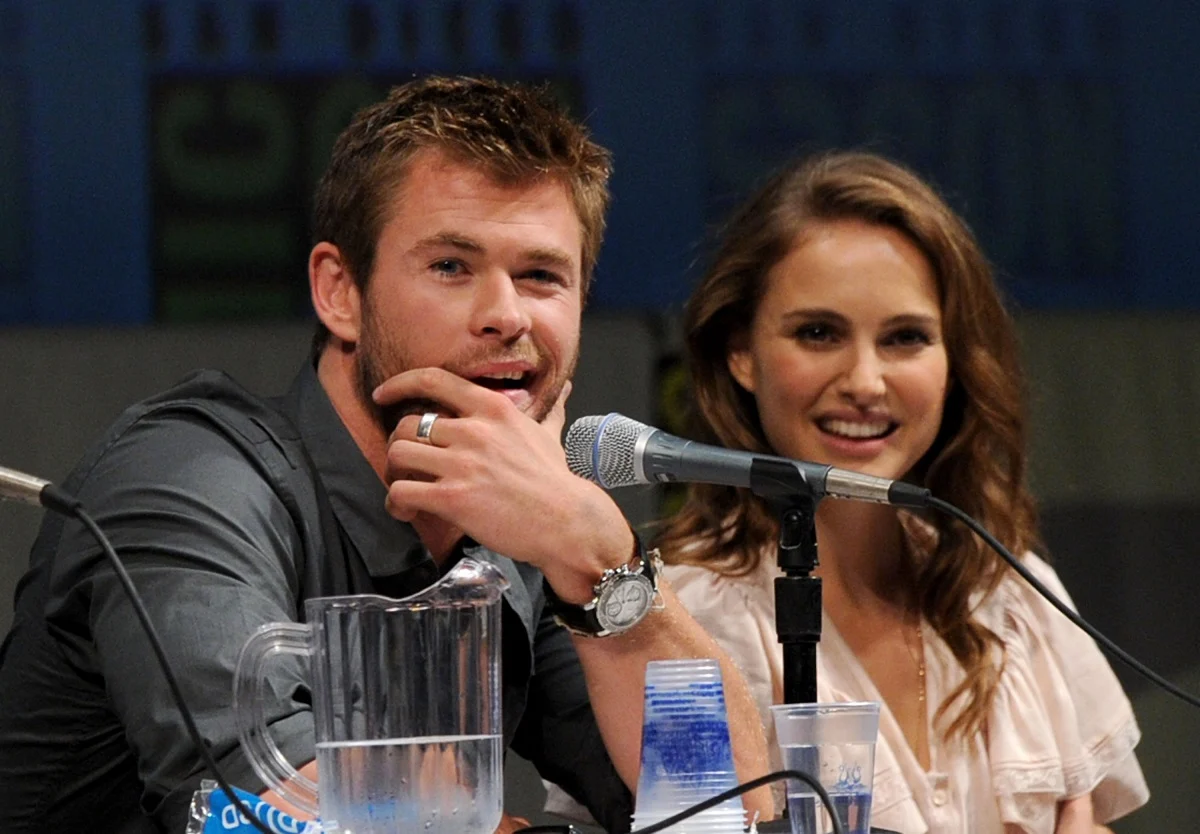
Natalie Portman’s journey as Jane Foster is equally significant. In her early appearances in Thor (2011) and Thor: The Dark World (2013), Jane was introduced as an intelligent astrophysicist whose role was primarily grounded in science and romantic connection to Thor. While Portman delivered a strong performance, the character often existed on the edges of the larger superhero narrative, serving more as a grounding human perspective rather than an active participant in the cosmic conflicts.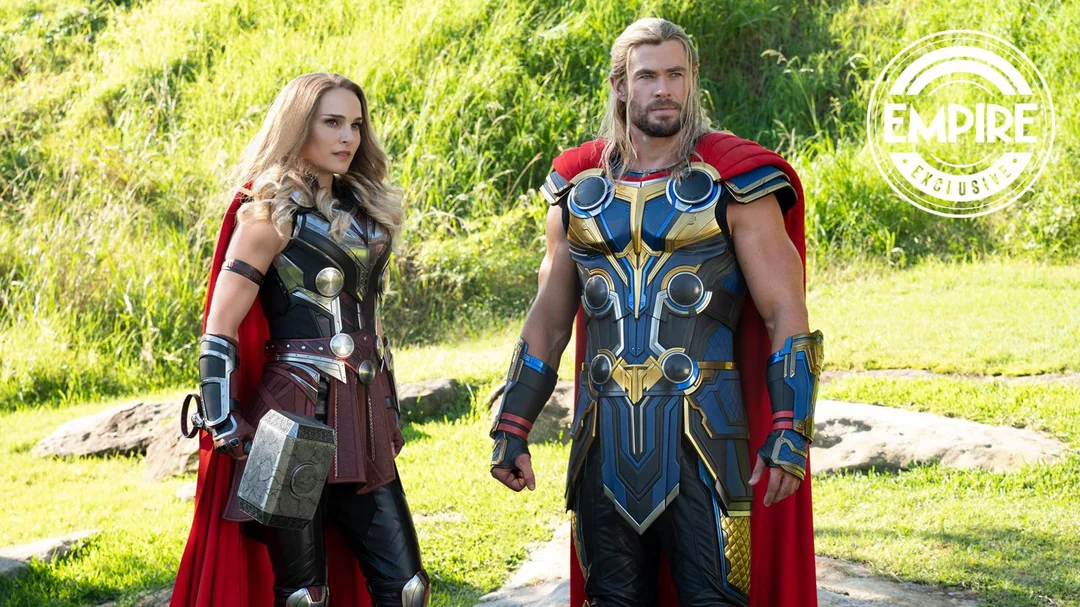
In Love and Thunder, however, Jane Foster undergoes a major transformation, both literally and thematically. Returning to the franchise after several years, Portman’s character becomes Mighty Thor, wielding Mjolnir and stepping into the role of a superhero in her own right. This version of Jane is not defined by her relationship to Thor but by her own strength, resilience, and tragic battle with illness. The film explores her vulnerability alongside her empowerment, creating a duality that gives Portman one of her most emotionally demanding roles in the MCU.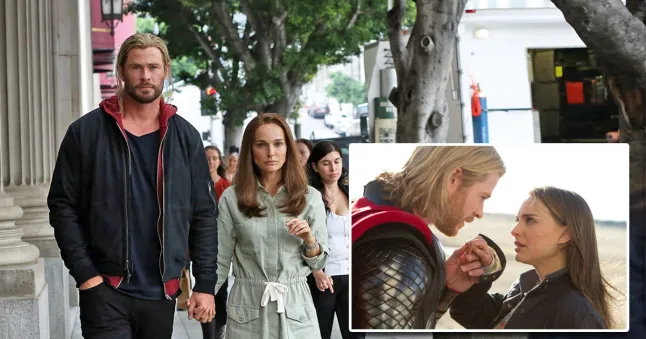
The contrast between “then and now” for both actors highlights a broader evolution within Marvel storytelling. What began as a traditional hero-and-love-interest dynamic has transformed into a more balanced narrative where both characters carry their own arcs, struggles, and identities. Hemsworth’s Thor and Portman’s Jane now meet as equals in battle and emotional depth, reflecting years of character development and narrative expansion.
Together, their reunion in Love and Thunder serves as both a continuation and reinvention of their original story. It bridges the early phase of the MCU with its more emotionally complex present, showing how characters can grow, change, and rediscover each other in unexpected ways while still honoring their shared history