9,000-Year-Old Evidence of Successful Brain Surgery Found in Turkey
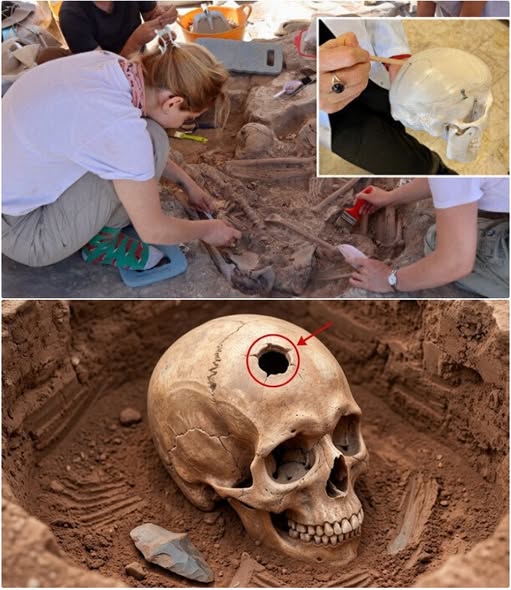
9,000-Year-Old Evidence of Successful Brain Surgery Discovered in Turkey
Archaeologists working at the Neolithic site of Aşıklı Höyük in Turkey have uncovered remarkable evidence of one of the earliest known successful brain surgeries in human history.
The discovery consists of the skull of a young woman who lived approximately 9,000 years ago and survived a sophisticated trepanation — a surgical procedure in which a hole is drilled or scraped into the skull. The carefully created opening measures about 3.5 centimeters and is believed to have been made using sharp obsidian tools, which were among the sharpest materials available at the time.
What makes this find particularly extraordinary is the clear evidence of bone healing and regeneration around the surgical site. This indicates that the woman not only survived the operation but lived for several weeks or even months afterward — an impressive outcome given the complete absence of modern anesthesia, antibiotics, or sterile surgical equipment.
The discovery provides significant new insight into the medical knowledge and technical capabilities of early Neolithic farming communities. It suggests that these ancient people possessed a surprisingly advanced understanding of human anatomy and surgical practices long before the advent of written records or formalized medicine.
This finding adds to a growing body of evidence that prehistoric societies were far more medically sophisticated than previously assumed, highlighting Aşıklı Höyük’s importance as a key site for understanding the development of early human civilization in Anatolia.