Elon Musk Calls for Release of Derek Chauvin, Citing Questions Over George Floyd’s Death
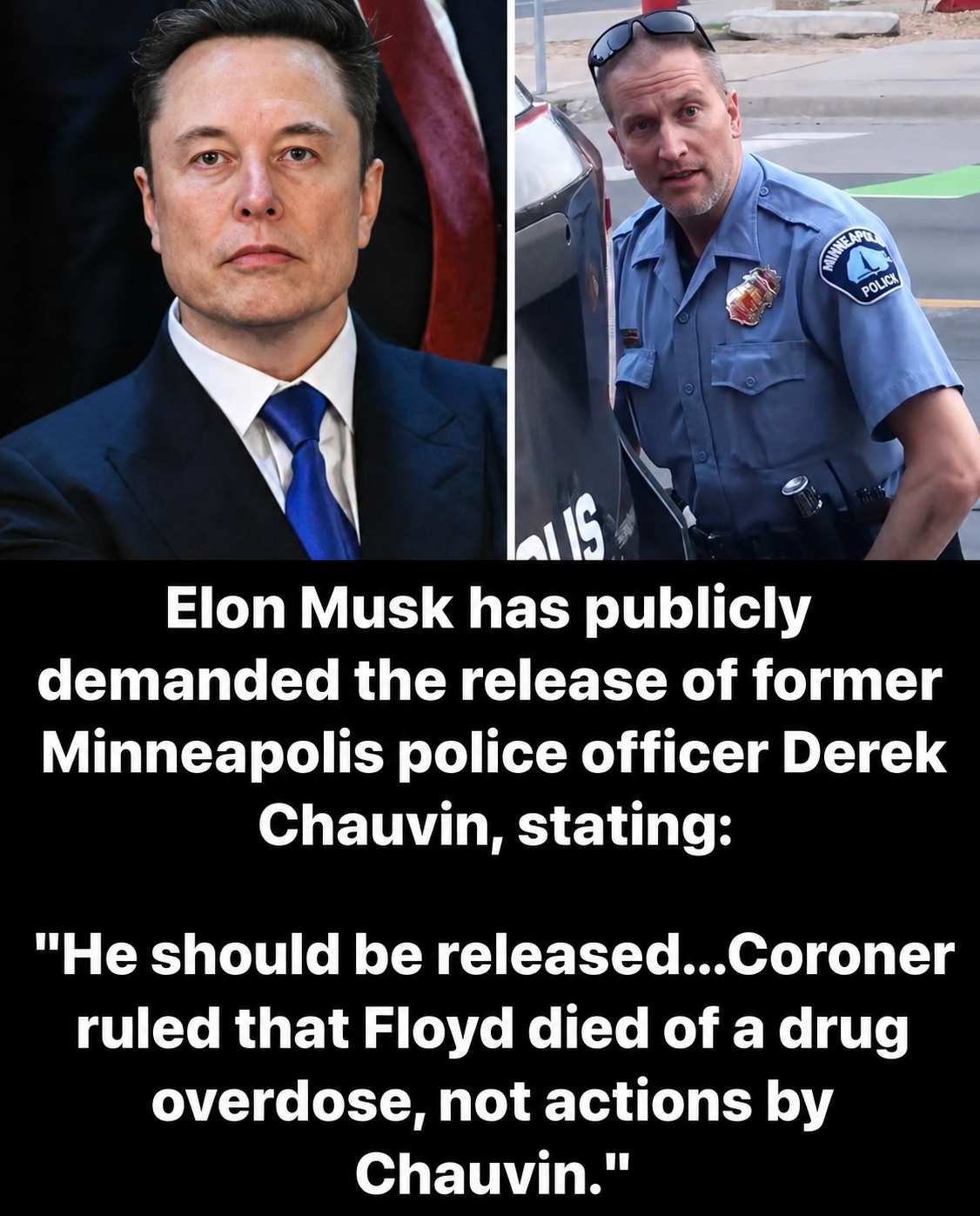
NEW YORK — Elon Musk has publicly amplified calls for the release or pardon of former Minneapolis police officer Derek Chauvin, who is serving concurrent state and federal sentences for his role in the 2020 death of George Floyd.
Musk recently stated that Chauvin “should be released,” arguing that the coroner’s findings showed Floyd died primarily from a drug overdose rather than Chauvin’s actions. He has described aspects of the case as a potential miscarriage of justice and supported petitions urging President Trump to issue a federal pardon.
Chauvin was convicted in 2021 of second-degree unintentional murder, third-degree murder, and second-degree manslaughter in Minnesota state court, receiving a 22.5-year sentence. He also pleaded guilty to federal civil rights violations. He is currently incarcerated in a federal facility in Texas, with a projected release date around 2037–2038.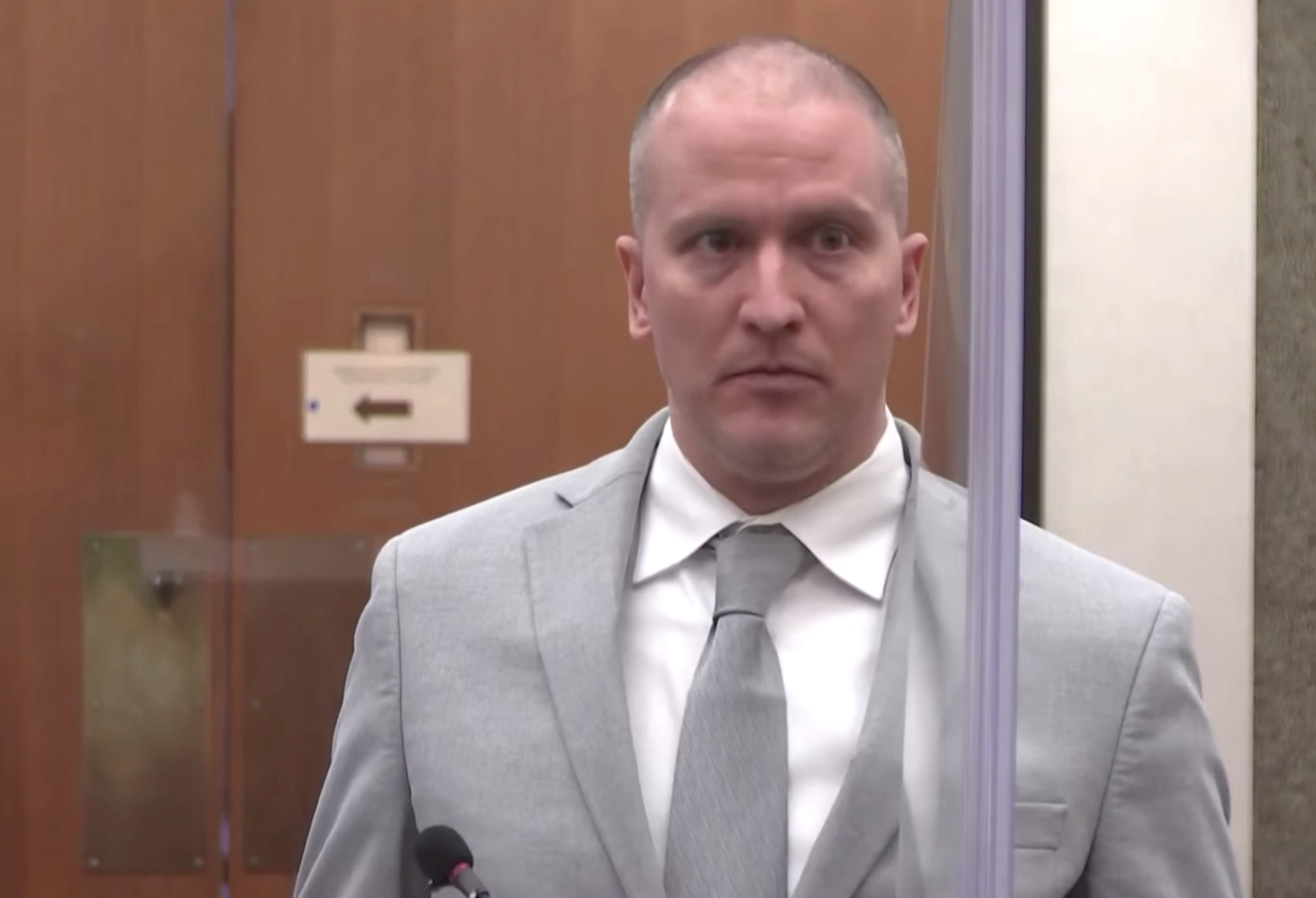
Official Autopsy and Trial Findings
Hennepin County Chief Medical Examiner Dr. Andrew Baker ruled George Floyd’s death a homicide. The cause was listed as “cardiopulmonary arrest complicating law enforcement subdual, restraint, and neck compression.” Baker noted contributing factors including arteriosclerotic and hypertensive heart disease, fentanyl intoxication, and recent methamphetamine use, but testified that these were not the primary cause. He stood by his conclusions during trial, stating the restraint was “more than Mr. Floyd could take.”
An independent autopsy commissioned by Floyd’s family concluded death by mechanical asphyxia due to sustained pressure. The jury convicted Chauvin after viewing extensive video evidence, bodycam footage, and expert testimony on use-of-force policies.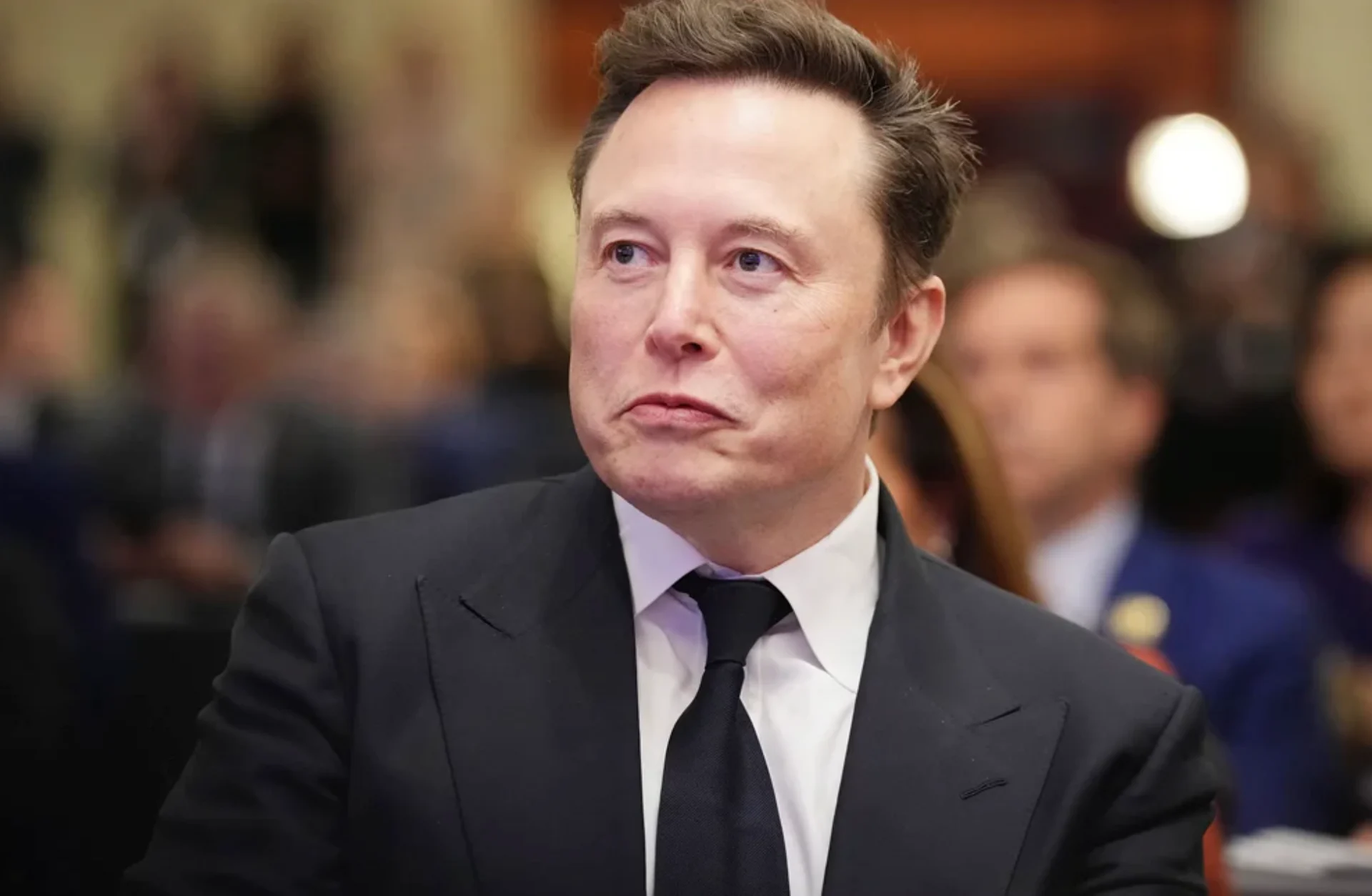
Musk’s comments have reignited debate, with supporters arguing overemphasis on drugs and health conditions, while critics maintain the conviction was justified by the evidence presented at trial. No pardon has been issued as of June 2026.
This case remains highly divisive, highlighting ongoing national discussions about policing, accountability, and judicial outcomes.